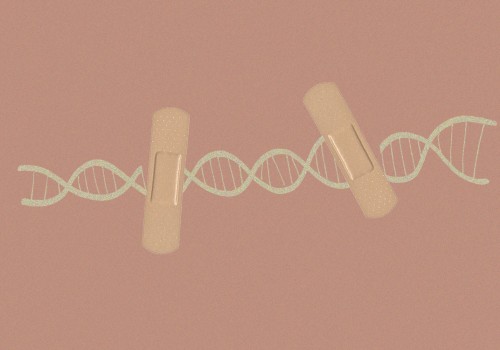
Polynucleotides are essential biomolecules that play a pivotal role in the biological processes of all living organisms. Composed of long chains of nucleotide units, these molecules serve as the building blocks of DNA and RNA, which are fundamental to genetic information storage and transmission. Each nucleotide consists of a sugar, a phosphate group, and a nitrogenous base, and the sequence of these nucleotides encodes the genetic instructions necessary for life. Understanding the structure and function of polynucleotides is crucial for appreciating their significance in various biological applications, including hair growth treatments.The primary function of polynucleotides lies in their ability to store and transmit genetic information.
In DNA, polynucleotides form a double helix structure, where two strands coil around each other, held together by complementary base pairing. This unique configuration not only protects the genetic code but also allows for accurate replication during cell division. In contrast, RNA polynucleotides typically exist as single strands and play various roles in protein synthesis and gene regulation. The versatility of polynucleotides extends beyond genetics; they are also involved in cellular processes such as repair, signalling, and metabolism.In recent years, the therapeutic potential of polynucleotides has garnered significant attention, particularly in the field of regenerative medicine.
Their ability to stimulate cellular repair and regeneration makes them an attractive option for treating conditions such as hair loss. By harnessing the regenerative properties of polynucleotides, innovative treatments have emerged that target hair follicles directly, promoting natural hair growth and improving scalp health. This intersection of molecular biology and practical application highlights the importance of understanding polynucleotides not only from a scientific perspective but also for their potential benefits in enhancing hair vitality.
How Polynucleotides Work in Hair Growth
Polynucleotides play a crucial role in promoting hair growth through a series of intricate biological mechanisms. These naturally occurring molecules, which are fragments of DNA or RNA, are known for their regenerative properties and ability to stimulate cellular activity.When introduced into the scalp, polynucleotides initiate a cascade of events that enhance the health of hair follicles and promote new hair growth.One of the primary ways polynucleotides facilitate hair growth is by stimulating fibroblast activity. Fibroblasts are essential cells in the dermis that produce collagen and elastin, two proteins vital for maintaining skin elasticity and strength. By enhancing fibroblast function, polynucleotides help to improve the structural integrity of the scalp, creating a more supportive environment for hair follicles.Moreover, polynucleotides are known to reduce inflammation , a significant factor contributing to hair loss. Chronic inflammation can damage hair follicles and inhibit their ability to produce healthy hair.
By modulating inflammatory responses, polynucleotides help to restore a balanced environment in which hair follicles can thrive.Another critical mechanism involves the activation of growth factors. Polynucleotides stimulate the release of various growth factors that are essential for hair follicle development and regeneration. These growth factors promote the transition of hair follicles from the telogen (resting) phase to the anagen (growth) phase, effectively reactivating dormant follicles and encouraging them to produce new hair strands.The injection of polynucleotides into the scalp also enhances blood circulation. Improved blood flow ensures that hair follicles receive an adequate supply of oxygen and nutrients, which are vital for their health and function.
This increased perfusion not only nourishes existing hair but also supports the growth of new hair by providing essential building blocks.In summary, polynucleotides promote hair growth through a multifaceted approach that includes stimulating fibroblast activity, reducing inflammation, activating growth factors, and enhancing blood circulation. These combined effects create an optimal environment for hair follicles to regenerate and thrive, leading to thicker, healthier hair over time.
Benefits of Using Polynucleotides for Hair Loss Treatment
Polynucleotides have emerged as a revolutionary treatment for hair loss, offering a multitude of benefits that extend beyond mere aesthetics. These naturally occurring molecules, derived from fish DNA, play a crucial role in cellular repair and regeneration, making them an ideal solution for those struggling with hair thinning and loss.One of the primary benefits of polynucleotides is their ability to enhance scalp health. By improving blood circulation and nutrient delivery to hair follicles, polynucleotides create a more conducive environment for hair growth.This increased blood flow not only nourishes the follicles but also helps to reduce inflammation, a significant factor contributing to hair loss. As inflammation decreases, the scalp becomes healthier, allowing for optimal hair growth conditions.Moreover, polynucleotide therapy stimulates the production of essential proteins such as collagen and elastin. These proteins are vital for maintaining the structural integrity of hair follicles and surrounding tissues. With enhanced collagen production, the scalp's elasticity improves, which can lead to stronger and more resilient hair strands.
This is particularly beneficial for individuals experiencing early stages of hair thinning.Another notable advantage of polynucleotide treatment is its ability to activate dormant hair follicles. When injected into the scalp, these molecules stimulate stem cells within the follicles, prompting them to re-enter the active growth phase. This process can result in the regeneration of thicker and fuller hair over time, significantly improving overall hair density.Additionally, polynucleotides are known for their biostimulatory properties. They not only promote healing at the cellular level but also encourage the natural regeneration processes that are essential for healthy hair growth.
This multifaceted approach addresses various underlying causes of hair loss, making it a versatile treatment option.In summary, the advantages of polynucleotide therapy for hair loss are numerous and impactful. From enhancing scalp health and reducing inflammation to stimulating dormant follicles and promoting collagen production, polynucleotides offer a comprehensive solution for those seeking to combat hair thinning and restore their confidence. As research continues to support their efficacy, polynucleotide treatments are becoming increasingly recognised as a leading choice in non-surgical hair restoration methods.
Clinical Evidence Supporting Polynucleotide Treatments
Numerous clinical studies have been conducted to evaluate the effectiveness of polynucleotide treatments in promoting hair growth and improving scalp health. These studies provide compelling evidence that supports the use of polynucleotides as a viable option for individuals experiencing hair loss.One significant study published in the Journal of Dermatological Treatment examined the effects of polynucleotide injections on patients suffering from androgenetic alopecia.The results indicated a marked improvement in hair density and thickness after a series of treatments. Participants reported not only a reduction in hair shedding but also an increase in the number of active hair follicles, demonstrating the regenerative potential of polynucleotides.Another clinical trial focused on the application of polynucleotides in patients with alopecia areata. This study highlighted how polynucleotide therapy stimulated the hair growth cycle by activating dormant follicles. The findings revealed that after several weeks of treatment, many participants experienced visible regrowth, with hair becoming thicker and healthier over time.Furthermore, a meta-analysis encompassing multiple studies on polynucleotide efficacy found consistent results across various demographics and types of hair loss.
The analysis concluded that polynucleotide treatments significantly enhance scalp circulation, reduce inflammation, and promote collagen production, all of which are crucial for creating an optimal environment for hair growth.In addition to these studies, patient testimonials have also played a vital role in validating the effectiveness of polynucleotide treatments. Many individuals have shared their positive experiences, noting improvements not only in hair volume but also in overall scalp health. These anecdotal accounts align with clinical findings, reinforcing the notion that polynucleotides can be a powerful tool in combating hair loss.As research continues to evolve, it is clear that polynucleotides represent a promising avenue for those seeking non-invasive solutions to hair thinning and loss. The combination of scientific evidence and real-world results underscores the potential benefits of incorporating polynucleotide treatments into hair restoration protocols.
Polynucleotide Treatment Process: What to Expect
Undergoing polynucleotide therapy for hair restoration is a straightforward process that involves several key steps, ensuring that patients are well-prepared and informed about what to expect.This treatment is designed to stimulate hair growth by enhancing the health of the scalp and revitalising hair follicles.
Preparation for Treatment
- Consultation: The journey begins with a thorough consultation with a qualified practitioner. During this session, your medical history will be reviewed, and the specific causes of your hair loss will be discussed. This is an essential step to tailor the treatment to your individual needs.
- Scalp Assessment: A detailed examination of your scalp will be conducted to assess the condition of your hair follicles and overall scalp health. This assessment helps in determining the most effective treatment plan.
- Avoiding Certain Medications: Patients are typically advised to avoid blood thinners and anti-inflammatory medications for a few days prior to the procedure to minimise any potential bruising or bleeding.
The Treatment Procedure
The actual polynucleotide injection procedure is minimally invasive and usually takes about 30 to 60 minutes.
Here’s what you can expect during the treatment:
- Cleansing the Scalp: The scalp will be thoroughly cleansed to remove any oils or products that may interfere with the injections.
- Anesthesia: A local anaesthetic may be applied to ensure comfort during the procedure. This helps to minimise any discomfort associated with the injections.
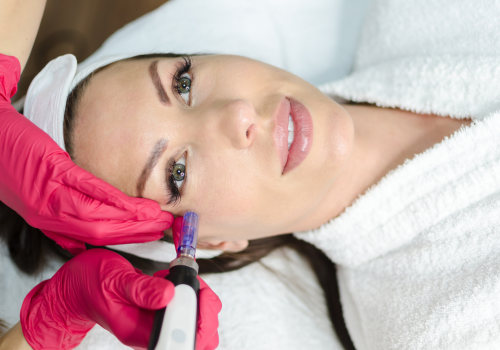
- Injection of Polynucleotides: Using fine needles or cannulas, the practitioner will inject a carefully prepared solution of polynucleotides into targeted areas of the scalp. The injections are strategically placed around thinning or balding areas to maximise effectiveness.
Aftercare Instructions
Post-treatment care is crucial for optimal results. Patients are generally advised to follow these guidelines:
- Avoid Washing Hair: It is recommended not to wash your hair for at least 24 hours after the treatment to allow the polynucleotides to settle effectively.
- No Heat Styling: Avoid using heat styling tools or exposing your scalp to excessive heat for a few days following the procedure.
- Limit Physical Activity: Strenuous exercise should be avoided for at least 48 hours post-treatment to reduce the risk of swelling or bruising.
- Follow-Up Appointments: Regular follow-up appointments may be scheduled to monitor progress and determine if additional treatments are necessary.
Potential Side Effects and Considerations
While polynucleotide treatments for hair growth offer numerous benefits, it is essential to consider potential side effects and risks associated with the procedure.Understanding these factors can help individuals make informed decisions about their hair restoration journey.
Common Side Effects
- Injection Site Reactions: As with any injection, patients may experience temporary discomfort at the injection sites. This can include redness, swelling, or mild bruising. These symptoms typically resolve within a few days.
- Itching or Irritation: Some individuals may notice itching or irritation on the scalp following treatment. This is usually mild and can be managed with over-the-counter antihistamines if necessary.
- Headaches: A small number of patients report experiencing headaches after receiving polynucleotide injections.
These headaches are generally mild and transient.
Less Common Risks
- Allergic Reactions: Although rare, some individuals may have an allergic reaction to the components of the polynucleotide solution. Symptoms can range from mild rashes to more severe reactions requiring medical attention.
- Infection: As with any procedure that involves injections, there is a slight risk of infection at the injection sites. It is crucial to follow post-treatment care instructions to minimise this risk.
- Scarring: In very rare cases, scarring may occur at the injection sites, particularly if proper aftercare is not followed.
Considerations Before Treatment
Before undergoing polynucleotide treatment, it is vital to consult with a qualified healthcare professional who can assess your individual situation. Considerations include:
- Medical History: Discuss any pre-existing medical conditions or allergies that may affect your suitability for treatment.
- Current Medications: Inform your practitioner about any medications you are currently taking, as some may interfere with the treatment or increase the risk of side effects.
- Aesthetic Goals: Clearly communicate your expectations and desired outcomes to ensure that polynucleotide therapy aligns with your hair restoration goals.
Comparing Polynucleotides with Other Hair Loss Treatments
When considering options for hair loss treatment, it is essential to evaluate the effectiveness of polynucleotides in comparison to other popular therapies such as Platelet-Rich Plasma (PRP) and minoxidil.Each treatment has its unique mechanisms, benefits, and potential drawbacks, making it crucial for individuals to understand how they stack up against one another.
Polynucleotides vs. PRP
Platelet-Rich Plasma (PRP) therapy involves drawing a small amount of blood from the patient, processing it to concentrate the platelets, and then injecting this enriched plasma into the scalp. The growth factors present in PRP are believed to stimulate hair follicles and promote hair growth. While PRP has shown promising results for many individuals, its effectiveness can vary significantly based on the individual’s unique biology and the skill of the practitioner.In contrast, polynucleotides offer a more targeted approach by directly introducing bioactive compounds that promote cellular repair and regeneration.This method not only stimulates hair growth but also enhances scalp health by improving circulation and reducing inflammation. Studies suggest that polynucleotides may provide more consistent results over time compared to PRP, particularly in cases of advanced hair thinning.
Polynucleotides vs. Minoxidil
Minoxidil, a topical treatment widely used for hair loss, works by increasing blood flow to hair follicles and prolonging the anagen (growth) phase of hair. While many users report positive outcomes, minoxidil requires continuous application to maintain results, and some may experience side effects such as scalp irritation or unwanted facial hair growth.On the other hand, polynucleotide therapy is administered through injections, which can lead to more significant improvements in scalp health and hair density without the need for daily application.Furthermore, polynucleotides address underlying issues such as inflammation and cellular damage, potentially offering a more holistic solution for those struggling with hair loss.
Conclusion
Ultimately, the choice between polynucleotides, PRP, and minoxidil will depend on individual circumstances, including the severity of hair loss, personal preferences regarding treatment methods, and any previous experiences with other therapies. Consulting with a qualified healthcare professional can help determine the most suitable option tailored to one’s specific needs.Who Can Benefit from Polynucleotide Treatments?
Polynucleotide treatments have emerged as a promising solution for various types of hair loss, making them suitable for a diverse range of individuals. Understanding who can benefit from these therapies is crucial for those seeking effective hair restoration options.1.Individuals Experiencing Androgenetic Alopecia
Androgenetic alopecia, commonly known as male or female pattern baldness, is one of the most prevalent forms of hair loss. This condition is often hereditary and can begin as early as the late teens or early twenties.
Those affected by this type of hair loss may find that polynucleotide therapy helps to stimulate dormant hair follicles, promoting new growth and improving overall hair density.
2.People with Alopecia Areata
Alopecia areata is an autoimmune disorder that leads to sudden hair loss in patches. Individuals suffering from this condition may benefit from polynucleotide treatments, as these therapies can help to reduce inflammation and promote healing in the affected areas, potentially leading to regrowth.
3.Those Experiencing Telogen Effluvium
Telogen effluvium is a temporary form of hair loss often triggered by stress, hormonal changes, or nutritional deficiencies. For individuals facing this condition, polynucleotide therapy can aid in restoring the natural hair growth cycle by revitalising the scalp and enhancing follicle health.
4.Individuals with Thinning Hair
Many people experience general thinning of hair due to various factors such as age, hormonal changes, or lifestyle choices. Polynucleotide treatments can be particularly beneficial for those looking to improve the thickness and volume of their hair by stimulating collagen production and enhancing scalp health.
5.Candidates Seeking Preventative Measures
Even individuals who are not currently experiencing significant hair loss may consider polynucleotide therapy as a preventative measure.
By enhancing scalp health and stimulating follicle activity, these treatments can help delay the onset of hair thinning and maintain a fuller head of hair over time.
6.Post-Surgical Patients
Those who have undergone hair transplant surgery may also benefit from polynucleotide treatments. These therapies can support healing and enhance the success rate of transplanted follicles by improving blood flow and nutrient delivery to the scalp.In conclusion, polynucleotide treatments offer a versatile solution for various hair loss conditions. Whether you are dealing with genetic factors, autoimmune issues, or simply wish to enhance your hair's overall health, consulting with a qualified professional can help determine if this innovative therapy is right for you.
Frequently Asked Questions about Polynucleotides and Hair Growth
As interest in polynucleotides and their potential benefits for hair growth continues to rise, many individuals have questions about how these compounds work and what to expect from treatments. Below are some frequently asked questions that address common concerns and misconceptions.What are polynucleotides?
Polynucleotides are naturally occurring molecules composed of long chains of nucleotides, which are the building blocks of DNA and RNA.In the context of hair growth, they are derived from highly purified fish DNA and are known for their regenerative properties. When injected into the scalp, they stimulate cellular activity, promoting healing and revitalisation of hair follicles.
How do polynucleotides promote hair growth?
The mechanism by which polynucleotides enhance hair growth involves several key processes:- Stimulation of fibroblasts: Polynucleotides activate fibroblasts in the scalp, which play a crucial role in collagen production and tissue repair.
- Reduction of inflammation: By decreasing inflammation around hair follicles, polynucleotides create a more conducive environment for hair growth.
- Activation of growth factors: They stimulate the release of growth factors that encourage the regeneration of hair follicles and promote thicker hair.
Are there any side effects associated with polynucleotide treatments?
Polynucleotide treatments are generally considered safe, with minimal side effects. Some individuals may experience mild discomfort or swelling at the injection site, but these symptoms typically resolve quickly. It is essential to consult with a qualified practitioner to discuss any potential risks based on individual health conditions.Can anyone use polynucleotide treatments for hair loss?
While polynucleotide treatments can benefit many individuals experiencing hair thinning or loss, they may not be suitable for everyone.Factors such as the underlying cause of hair loss, age, and overall health should be considered. A thorough consultation with a healthcare professional can help determine if this treatment is appropriate for you.
Are there myths surrounding polynucleotides?
Yes, several myths exist regarding polynucleotides and their effectiveness:- Myth 1: Polynucleotides are only effective for severe hair loss. Fact: They can be beneficial in early stages of thinning as well.
- Myth 2: Results are immediate. Fact: Visible improvements typically occur over several weeks to months.
- Myth 3: All hair loss treatments work the same way.
Fact: Polynucleotides offer a unique approach by focusing on cellular regeneration.
Conclusion: The Future of Hair Growth Treatments with Polynucleotides
In conclusion, the exploration of polynucleotides as a treatment for hair growth has unveiled a promising avenue in the realm of hair restoration. Throughout this article, we have examined the multifaceted benefits that polynucleotides offer, particularly their ability to stimulate hair follicles, enhance scalp health, and promote natural hair growth. By acting at the cellular level, these bioactive compounds not only address the symptoms of hair loss but also tackle its underlying causes.The clinical evidence supporting the efficacy of polynucleotide treatments is compelling. With over 70 years of scientific research backing their use, these treatments have demonstrated significant potential in reducing hair loss and improving hair density.The regenerative properties of polynucleotides facilitate the healing of damaged hair follicles, thereby creating an optimal environment for new hair growth. This is particularly beneficial for individuals experiencing early or moderate stages of hair thinning.As we look to the future, it is clear that polynucleotide therapies could revolutionise the landscape of hair restoration. The non-invasive nature of these treatments makes them an attractive option for those seeking effective solutions without the need for surgical intervention. Furthermore, ongoing advancements in biotechnology may enhance the formulation and delivery methods of polynucleotides, potentially leading to even greater results.Moreover, as awareness grows regarding the importance of scalp health in relation to hair growth, polynucleotides are likely to gain traction as a go-to treatment option.
Their ability to reduce inflammation and improve blood circulation around hair follicles positions them as a vital component in comprehensive hair care regimens.In summary, the future of hair growth treatments with polynucleotides appears bright. As research continues to unfold and more individuals seek effective solutions for hair loss, polynucleotide therapies will undoubtedly play a crucial role in restoring confidence and promoting healthy, vibrant hair.