Polynucleotides are naturally occurring biopolymers that play a crucial role in the biological processes of all living organisms. Composed of long chains of nucleotides, these molecules are fundamental to the structure and function of DNA and RNA, which are essential for genetic information storage and transfer. In recent years, polynucleotides have gained significant attention in the field of aesthetic medicine, particularly for their remarkable ability to promote skin rejuvenation and repair. Derived primarily from fish DNA, such as that from salmon sperm, polynucleotides are now being harnessed in injectable treatments aimed at enhancing skin texture, hydration, and overall appearance.The benefits of polynucleotides extend beyond mere cosmetic enhancements.
They work at a cellular level by stimulating fibroblasts—cells responsible for collagen production—thereby improving skin elasticity and promoting cell renewal. This regenerative effect not only helps to reduce the visible signs of aging but also aids in the healing of damaged skin. As a result, polynucleotide injections have become increasingly popular among individuals seeking non-surgical solutions to maintain youthful skin. The treatment is often praised for its natural composition and minimal side effects compared to other injectables.As the popularity of polynucleotide injections continues to rise, it is essential for potential patients to understand both the advantages and the risks associated with this treatment.
While many experience positive outcomes, there is a growing concern regarding the possibility of injecting excessive amounts of polynucleotides. Understanding the appropriate dosage and injection techniques is vital to ensure safety and efficacy. In the following sections, we will delve deeper into the implications of excessive polynucleotide injections, exploring potential side effects and best practices for achieving optimal results.
What Are Polynucleotides?
Polynucleotides are essential biomolecules composed of long chains of nucleotides, which are the building blocks of DNA and RNA. These molecules play a crucial role in various biological processes, including genetic information storage, transmission, and expression.In the context of skin rejuvenation and repair, polynucleotides derived from natural sources, such as salmon sperm DNA, have gained significant attention for their therapeutic properties.
Types of Polynucleotides
- Deoxyribonucleic Acid (DNA): This type of polynucleotide is primarily responsible for storing genetic information in living organisms. It consists of two strands that coil around each other to form a double helix.
- Ribonucleic Acid (RNA): RNA plays a vital role in translating genetic information from DNA into proteins. It exists in several forms, including messenger RNA (mRNA), transfer RNA (tRNA), and ribosomal RNA (rRNA).
- Modified Polynucleotides: These are synthetic or naturally occurring polynucleotides that have been chemically altered to enhance their stability and efficacy in therapeutic applications.
How Polynucleotides Work
At a cellular level, polynucleotides exert their effects by stimulating fibroblasts, the cells responsible for producing collagen and elastin in the skin. When injected into the dermis, these molecules promote cellular regeneration and repair by:
- Enhancing Collagen Production : Polynucleotides encourage fibroblasts to increase collagen synthesis, which is vital for maintaining skin elasticity and firmness.
- Improving Skin Hydration : By attracting water molecules, polynucleotides help to retain moisture within the skin, leading to a plumper and more youthful appearance.
- Promoting Cell Renewal : These biomolecules stimulate the proliferation of skin cells, facilitating faster healing and rejuvenation processes.
Their ability to work at a molecular level not only enhances the aesthetic appearance of the skin but also contributes to its overall health and vitality.
The Benefits of Polynucleotide Injections
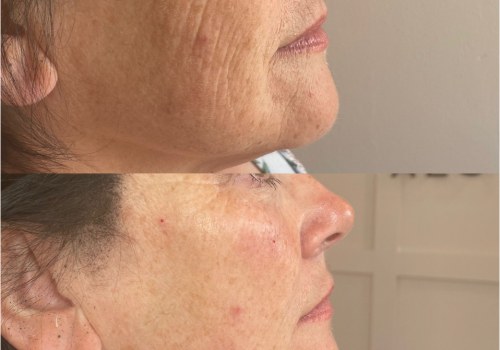
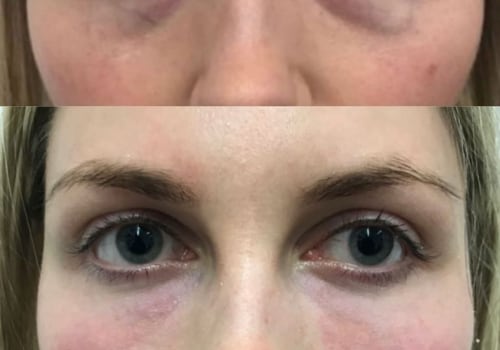
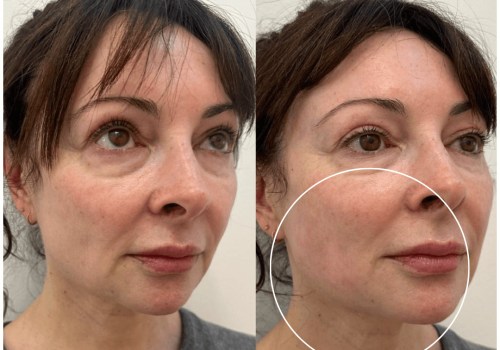
Polynucleotide injections have gained significant attention in the realm of aesthetic treatments, primarily due to their remarkable benefits for skin rejuvenation. These injections, derived from fish DNA, are designed to enhance the skin's overall health and appearance by stimulating various biological processes.One of the most notable advantages of polynucleotide injections is their ability to improve skin texture. As we age, our skin naturally loses its elasticity and firmness, leading to the development of fine lines and wrinkles. Polynucleotides work at a cellular level, promoting the regeneration of skin cells and encouraging a smoother, more youthful complexion.Patients often report a noticeable difference in skin texture within weeks of treatment, as the polynucleotides stimulate fibroblasts—cells responsible for collagen production.In addition to enhancing texture, these injections significantly boost skin hydration. Polynucleotides have a unique ability to retain moisture within the skin, which is crucial for maintaining a plump and healthy appearance. This increased hydration not only helps to diminish the visibility of fine lines but also contributes to an overall glow that many seek in their skincare routines.Furthermore, polynucleotide injections are instrumental in collagen production. Collagen is a vital protein that provides structure and support to the skin.
As we age, collagen levels decline, leading to sagging and loss of volume. By stimulating collagen synthesis, polynucleotides help restore the skin's firmness and elasticity. This process not only improves the immediate appearance of the skin but also promotes long-term benefits as new collagen continues to develop over time.Moreover, polynucleotide therapy is versatile and can be tailored to meet individual needs. Whether addressing specific concerns such as uneven skin tone or general signs of ageing, these injections can be strategically administered to target various areas of the face and body.
The result is a comprehensive approach to skincare that enhances both aesthetic appeal and overall skin health.In summary, polynucleotide injections offer a multitude of benefits that extend beyond mere cosmetic enhancement. From improving skin texture and hydration to stimulating collagen production, these treatments represent a significant advancement in non-surgical aesthetic procedures. As more individuals seek effective solutions for maintaining youthful skin, polynucleotide therapy stands out as a promising option for achieving lasting results.
How Are Polynucleotides Injected?
Polynucleotide injections are a popular choice for skin rejuvenation, and understanding the techniques used for their administration is crucial for achieving optimal results. There are primarily two methods employed in the injection of polynucleotides: the needle method and the cannula method.Needle Injection Technique
The needle injection technique involves the use of very fine needles to deliver polynucleotides directly into the skin.This method allows for precise placement of the product, making it ideal for targeting specific areas that require rejuvenation. The procedure typically begins with the application of a topical anaesthetic to minimise discomfort. Once the area is numbed, the practitioner injects small amounts of the polynucleotide solution into the dermis, which is the layer of skin where collagen and elastin reside.One of the advantages of this technique is its ability to create micro-traumas in the skin, which can stimulate a natural healing response. However, patients may experience temporary side effects such as mild swelling or bruising at the injection sites.
These effects usually resolve within a few days.
Cannula Injection Technique
The cannula method employs a blunt-tipped tube that is inserted into the skin through a small entry point. This technique allows for a more even distribution of polynucleotides across a larger area, reducing the risk of lumps or uneven texture. The cannula glides smoothly through the tissue, minimising trauma and discomfort compared to traditional needles.After treatment with a cannula, patients may notice some swelling due to the lifting effect of the injected product. This swelling typically subsides within a week as the polynucleotides are absorbed by the skin.Aftercare Practices
Proper aftercare following polynucleotide injections is essential to ensure optimal results and minimise potential side effects.Here are some key aftercare practices:
- Avoid Touching: Refrain from touching or massaging the treated area for at least 24 hours to prevent infection and ensure even distribution of the product.
- Cold Compress: Applying a cold compress can help reduce swelling and discomfort in the initial hours post-treatment.
- Hydration: Keep your skin well-hydrated by drinking plenty of water and using moisturisers recommended by your practitioner.
- Avoid Strenuous Activity: For at least 48 hours post-injection, avoid strenuous exercise or activities that may increase blood flow to the treated area.
- Sun Protection: Protect your skin from sun exposure by using sunscreen with a high SPF, as UV rays can hinder healing.
Can You Inject Too Much Polynucleotides?
When considering the use of polynucleotides for aesthetic or therapeutic purposes, it is crucial to understand the implications of excessive injections. While polynucleotide treatments are generally regarded as safe, injecting too much can lead to a range of complications, both mild and severe.One of the most common side effects of excessive polynucleotide injections is the formation of small, temporary lumps at the injection site. These lumps occur when the injected material does not disperse evenly within the tissue. Although they are typically harmless and resolve on their own as the body absorbs the polynucleotides, they can be aesthetically displeasing and may cause concern for patients.In addition to lumps, patients may experience increased swelling or bruising.While some degree of swelling is expected following any injection, excessive amounts can lead to prolonged discomfort and an unnatural appearance. Bruising may also occur, particularly if the injections are administered near blood vessels. This can be exacerbated by factors such as individual skin sensitivity or improper injection techniques.More serious complications, although rare, can arise from injecting too much polynucleotides. For instance, granulomas—small areas of inflammation—can develop as a reaction to the injected material.
These may require medical intervention, such as corticosteroid injections, to reduce inflammation and promote healing.Another potential risk is vascular occlusion, which occurs when a blood vessel becomes blocked due to the injected substance. This condition is particularly concerning as it can lead to tissue necrosis if not addressed promptly. Immediate medical attention is essential in such cases to prevent long-term damage.To mitigate these risks, it is vital for practitioners to adhere to recommended dosages and injection techniques. Proper training and experience play a significant role in minimising complications associated with polynucleotide treatments.
Patients should also be informed about aftercare procedures to ensure optimal healing and results.In conclusion, while polynucleotides offer numerous benefits for skin rejuvenation and repair, caution must be exercised regarding dosage and technique. Understanding the potential risks associated with excessive injections can help patients make informed decisions and achieve their desired outcomes safely.
Common Side Effects of Polynucleotide Injections
Polynucleotide injections, while generally considered safe and effective for skin rejuvenation, can lead to a range of common side effects. Understanding these reactions is crucial for anyone considering this treatment, as it allows for better management and awareness of when to seek medical assistance.Some of the most frequently reported side effects include:- Swelling: Mild swelling at the injection site is a common reaction. This occurs as the body responds to the injected material and typically subsides within a few days.
However, if swelling persists or worsens, it may be necessary to consult a healthcare professional.
- Bruising: Although less common with polynucleotide injections compared to other injectables, bruising can occur due to the needle's penetration into the skin. Applying ice packs immediately after treatment can help minimise this effect.
- Redness: Temporary redness around the injection site is normal and usually resolves quickly. If redness is accompanied by warmth or increased pain, it may indicate an infection.
- Lumps or Bumps: Small lumps may form if polynucleotides are injected too superficially. These are generally harmless and will gradually disappear as the material is absorbed.
Gentle massage of the area, as advised by a practitioner, can aid in even distribution and expedite resolution.
- Allergic Reactions: Though rare, some individuals may experience allergic reactions to the components of the injection. Symptoms can include itching, rash, or swelling beyond the injection site. Immediate medical attention is required if these symptoms occur.
In particular, signs of infection such as increased warmth, pus formation, or severe pain should be addressed immediately to prevent complications.In summary, while polynucleotide injections can lead to some common side effects, most are mild and temporary. Awareness and proper management strategies can significantly enhance the overall experience and results of this innovative treatment.
Serious Complications from Excessive Injections
While polynucleotide injections are generally considered safe and effective for skin rejuvenation, it is crucial to understand that excessive administration can lead to serious complications. These complications, although rare, can have significant implications for the patient’s health and aesthetic outcomes.One of the most concerning complications associated with excessive polynucleotide injections is the formation of granulomas. Granulomas are small areas of inflammation that occur as a response to foreign substances in the body.When polynucleotides are injected in excess, the body may react by forming these lumps, which can be both uncomfortable and unsightly. Granulomas typically manifest as raised bumps at the injection site and may require medical intervention, such as corticosteroid injections, to reduce inflammation and promote healing.Another serious complication that can arise from improper injection techniques or excessive dosages is vascular occlusion. This condition occurs when an injected substance blocks a blood vessel, potentially leading to tissue necrosis or other severe complications. Vascular occlusion is particularly dangerous because it can result in permanent damage if not addressed promptly.
Symptoms may include sudden pain, discolouration of the skin, or a noticeable change in temperature at the injection site. Immediate medical attention is essential to mitigate these risks.To minimise the risk of these serious complications, it is imperative that polynucleotide injections are administered by qualified professionals who are well-versed in the appropriate techniques and dosages. A thorough understanding of facial anatomy and injection protocols is essential for ensuring patient safety and achieving optimal results. Patients should always seek treatment from licensed practitioners who have received specialised training in injectable therapies.In conclusion, while polynucleotide injections offer numerous benefits for skin rejuvenation, awareness of potential serious complications such as granulomas and vascular occlusion is vital.
Proper administration by skilled professionals not only enhances the effectiveness of the treatment but also significantly reduces the likelihood of adverse effects.
Best Practices for Safe Polynucleotide Treatments
Ensuring the safety and effectiveness of polynucleotide treatments requires careful consideration and adherence to best practices. Here are some essential guidelines to follow:- Choose a Qualified Practitioner: Selecting a practitioner with extensive experience in administering polynucleotide injections is crucial. Look for professionals who are certified in aesthetic medicine and have a solid track record in performing similar procedures. Check their credentials, read reviews, and ask for before-and-after photos of previous patients to gauge their expertise.
- Consultation is Key: Prior to any treatment, schedule a thorough consultation with your chosen practitioner.
This meeting should cover your medical history, skin type, and specific aesthetic goals. A reputable practitioner will take the time to explain the procedure, discuss potential risks, and set realistic expectations regarding outcomes.
- Understand the Treatment Protocol: Familiarise yourself with the treatment protocol that will be followed during your session. This includes understanding the type of polynucleotides being used, the injection technique, and the expected recovery process. A well-structured treatment plan should also include aftercare instructions to minimise side effects.
- Hygiene Standards: Ensure that the clinic adheres to strict hygiene standards.
The treatment area should be clean, and all instruments must be sterilised. Practitioners should wear gloves and use sterile techniques to prevent infections or complications.
- Post-Treatment Care: Follow all post-treatment care instructions provided by your practitioner. This may include avoiding strenuous activities, sun exposure, or certain skincare products for a specified period. Proper aftercare is vital for achieving optimal results and minimising side effects.
- Monitor Your Progress: After your treatment, keep an eye on how your skin responds.
If you notice any unusual symptoms such as excessive swelling, redness, or signs of infection, contact your practitioner immediately for advice.
Conclusion: Weighing the Risks and Benefits of Polynucleotide Injections
In conclusion, the decision to undergo polynucleotide injections should be made with careful consideration of both the potential benefits and risks involved. As highlighted throughout this article, polynucleotides offer a range of advantages for skin rejuvenation, including enhanced hydration, improved elasticity, and increased collagen production. These benefits can lead to a more youthful appearance and improved skin texture, making polynucleotide therapy an appealing option for many individuals seeking non-surgical aesthetic enhancements.However, it is crucial to acknowledge that, like any medical procedure, polynucleotide injections are not without their risks. While serious complications are rare, they can occur and may include allergic reactions, granulomas, or vascular occlusion.Understanding these risks is essential for anyone considering treatment. It is advisable to consult with a qualified practitioner who can provide a thorough assessment of your individual circumstances and help you weigh the potential outcomes.Moreover, proper aftercare following the injections plays a significant role in minimising side effects and ensuring optimal results. Patients should adhere to the aftercare instructions provided by their healthcare provider to mitigate risks such as infection or prolonged swelling.Ultimately, informed decision-making is paramount when considering polynucleotide injections. Individuals should take the time to research their options, discuss their goals with a knowledgeable professional, and consider their own health history before proceeding.
By doing so, they can make a choice that aligns with their aesthetic desires while being mindful of their safety and well-being.In summary, while polynucleotide injections present exciting opportunities for skin rejuvenation, it is essential to approach them with a balanced perspective that considers both the potential rewards and the inherent risks involved.