Polynucleotides are fascinating biomolecules that play a crucial role in the field of dermatology, particularly in skin rejuvenation and regeneration. These long chains of nucleotides, which are the building blocks of DNA, have garnered significant attention for their remarkable ability to stimulate cellular processes that promote healing and improve skin quality. Derived primarily from the sperm of fish, such as salmon and trout, polynucleotides are highly purified and formulated for injectable treatments that can enhance skin texture, elasticity, and overall appearance.In essence, polynucleotides serve as a natural source of growth factors that encourage the body to produce collagen and elastin—two essential proteins that contribute to skin firmness and resilience. As we age, the natural production of these proteins diminishes, leading to visible signs of ageing such as wrinkles, sagging skin, and a loss of vitality.
By introducing polynucleotides into the skin through injections, dermatologists can effectively harness the body’s innate healing mechanisms to restore a youthful glow.The significance of polynucleotides in dermatology cannot be overstated. They not only provide immediate hydration and plumping effects but also offer long-term benefits by promoting ongoing collagen synthesis. This dual action makes them an invaluable tool in aesthetic medicine, particularly for patients seeking non-surgical options for skin rejuvenation. As research continues to unveil the full potential of polynucleotides, their applications in dermatology are expanding, paving the way for innovative treatments that prioritise safety and efficacy.
The Science Behind Polynucleotides
Polynucleotides, which are long chains of nucleotides derived from the DNA of fish, particularly salmon and trout, have emerged as a revolutionary treatment in dermatology.Their effectiveness lies in their unique mechanism of action, which primarily focuses on stimulating the body’s natural processes to rejuvenate the skin.At the core of their functionality is the ability of polynucleotides to enhance collagen production. Collagen is a vital protein that provides structure and elasticity to the skin. As we age, collagen levels naturally decline, leading to wrinkles, sagging, and a loss of firmness. When polynucleotides are injected into the skin, they act as a catalyst for fibroblasts—cells responsible for collagen synthesis.
This stimulation results in increased collagen production, which not only improves skin texture but also enhances overall skin strength and elasticity.Moreover, polynucleotides possess remarkable anti-inflammatory properties. They help to reduce inflammation in the skin, which can be beneficial for individuals suffering from conditions such as acne or rosacea. By mitigating inflammation, polynucleotides create a more conducive environment for healing and regeneration.Another significant benefit of polynucleotides is their ability to promote hydration. They have a natural affinity for water, which aids in retaining moisture within the skin.
This hydrating effect contributes to a plumper and more youthful appearance, making them an excellent choice for those looking to combat dryness and improve skin luminosity.In addition to these benefits, polynucleotides also exhibit antioxidant properties. Antioxidants are crucial in protecting the skin from oxidative stress caused by environmental factors such as UV radiation and pollution. By neutralising free radicals, polynucleotides help to prevent premature ageing and maintain skin health.In summary, the science behind polynucleotides reveals their multifaceted role in skin rejuvenation. Through collagen stimulation, anti-inflammatory effects, enhanced hydration, and antioxidant protection, they offer a comprehensive approach to improving skin quality.
As research continues to unfold, the potential applications of polynucleotides in dermatology are likely to expand even further.
Applications of Polynucleotide Treatments in Dermatology
Polynucleotide treatments have emerged as a transformative option in dermatology, offering a range of applications that cater to various skin concerns. Their unique properties make them particularly effective for skin rejuvenation, anti-aging, and addressing specific conditions such as under-eye treatment.Skin Rejuvenation
One of the primary applications of polynucleotides is in skin rejuvenation. These treatments work by stimulating the body’s natural healing processes, promoting collagen production and enhancing skin elasticity. As we age, our skin loses its firmness and vitality; polynucleotides can help restore this by:
- Improving skin texture: The regenerative properties of polynucleotides lead to smoother, more refined skin.
- Enhancing hydration: By attracting moisture to the skin, they help maintain a plump and youthful appearance.
- Reducing fine lines and wrinkles: The increase in collagen synthesis helps diminish the visibility of aging signs.
Anti-Aging Benefits
In the realm of anti-aging, polynucleotide treatments stand out due to their ability to provide long-lasting results.
Unlike traditional fillers that offer immediate but temporary effects, polynucleotides promote gradual improvements over time. This makes them an excellent choice for individuals seeking a more natural approach to anti-aging. Key benefits include:
- Long-term results: Patients often notice sustained improvements in skin quality for several months following treatment.
- Minimal downtime: The procedure typically involves little to no recovery time, allowing patients to resume their daily activities almost immediately.
Treatment of Specific Conditions
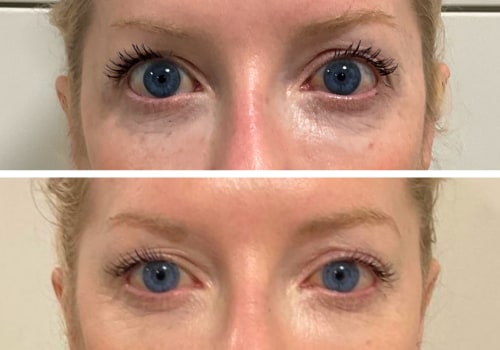
Polynucleotides are particularly beneficial for delicate areas such as the under-eye region. This area is prone to signs of fatigue and aging, including dark circles and hollowness.
Traditional fillers may not be suitable due to the risk of complications; however, polynucleotide treatments can:
- Improve skin thickness: By enhancing collagen production, they help restore volume and reduce the appearance of shadows under the eyes.
- Reduce puffiness: Their anti-inflammatory properties can alleviate swelling and improve overall skin tone.
Comparing Different Brands of Polynucleotide Products
When it comes to choosing the right polynucleotide treatment, understanding the differences between various brands is crucial. Each brand offers unique formulations and concentrations of polynucleotides, which can significantly impact the results you achieve. Below, we will compare some of the most popular polynucleotide products available in the UK market, focusing on their specific characteristics and benefits.- Plinest : Formerly known as Plenhyage, Plinest is renowned for its high concentration of polynucleotides.
This product is particularly effective in enhancing skin hydration and texture. The formulation is designed to stimulate collagen production, making it an excellent choice for those looking to rejuvenate their skin. Plinest is often recommended for patients seeking noticeable improvements in skin elasticity and overall appearance.
- Rejuran : Another leading brand, Rejuran, is well-regarded for its ability to promote skin healing and regeneration. It contains polynucleotides that are specifically formulated to enhance skin barrier function and improve overall skin health.
Rejuran is particularly beneficial for treating sensitive areas such as the under-eye region, where traditional fillers may not be suitable. Its unique formulation helps to reduce fine lines and wrinkles while providing a natural-looking result.
- Newest : This hybrid product combines polynucleotides with hyaluronic acid, offering dual benefits of hydration and skin lifting. Newest is ideal for those who want immediate plumping effects alongside long-term skin rejuvenation. The combination of these two powerful ingredients makes it a versatile option for various skin types.
- Nucleofill : Known for its bio-revitalising properties, Nucleofill focuses on restoring skin vitality and firmness.
It works by enhancing the skin's natural processes, making it suitable for individuals looking to combat signs of ageing without invasive procedures.
Benefits and Risks of Polynucleotide Treatments
Polynucleotide treatments have gained significant attention in the field of dermatology due to their remarkable ability to rejuvenate and restore skin health.However, as with any medical procedure, it is essential to weigh the benefits against the potential risks involved.
Benefits of Polynucleotide Injections
- Enhanced Skin Regeneration: Polynucleotides stimulate the body’s natural healing processes, promoting collagen production and improving skin elasticity. This leads to a more youthful appearance and can significantly reduce the signs of ageing.
- Long-Lasting Results: Unlike traditional dermal fillers that provide immediate but temporary results, polynucleotide treatments offer gradual improvements that can last for several months, making them a cost-effective option in the long run.
- Minimal Downtime: Patients typically experience little to no downtime after treatment. Most individuals can return to their daily activities almost immediately, which is a significant advantage for those with busy lifestyles.
- Versatility: Polynucleotides can be used in various areas of the face and body, including delicate regions like the under-eye area, where traditional fillers may not be suitable.
- Improved Skin Texture: The hydrating properties of polynucleotides help to enhance overall skin texture, leaving it smoother and more radiant.
Risks and Side Effects of Polynucleotide Treatments
While the benefits are compelling, it is crucial to consider the potential risks associated with polynucleotide injections:- Injection Site Reactions: Common side effects include swelling, bruising, or redness at the injection site. These reactions are usually mild and resolve within a few days.
- Allergic Reactions: Although rare, some individuals may experience allergic reactions to the components of polynucleotide products.
It is essential to discuss any known allergies with your provider before treatment.
- Infection Risk: As with any injectable treatment, there is a small risk of infection. Ensuring that the procedure is performed in a sterile environment by a qualified professional can mitigate this risk.
- Lack of Reversibility: Unlike some dermal fillers that can be dissolved if unsatisfactory results occur, polynucleotides cannot be reversed once injected. This makes it vital to choose an experienced practitioner who understands facial anatomy and injection techniques.
Choosing the Right Polynucleotide Treatment for You
When it comes to selecting the most appropriate polynucleotide treatment for your skin, it is essential to consider several factors that can significantly influence the outcome of your treatment.Each individual has unique skin characteristics and concerns, making personalised skincare a vital aspect of the decision-making process.
1.Understand Your Skin Type and Concerns
- Skin Type: Determine whether your skin is oily, dry, combination, or sensitive. Different polynucleotide products may cater to specific skin types.
- Concerns: Identify your primary skin concerns, such as fine lines, wrinkles, loss of elasticity, or uneven texture. This will help in choosing a treatment that targets your specific needs.
2.Consult with a Qualified Professional
Before proceeding with any treatment, it is crucial to consult with a qualified dermatologist or skincare professional who has experience with polynucleotide injections. They can assess your skin condition and recommend the most suitable product based on your individual goals.
A thorough consultation will also allow you to discuss any allergies or sensitivities you may have, ensuring that the chosen treatment is safe for you.
3.Evaluate Product Options
There are various brands of polynucleotides available on the market, each with its unique formulation and concentration. Some popular options include:
- Plinest: Known for its high concentration of polynucleotides, ideal for improving skin hydration and texture.
- Rejuran: Often used for its regenerative properties, particularly effective in treating delicate areas like under the eyes.
- Nucleofill: A hybrid product that combines polynucleotides with other beneficial ingredients for enhanced results.
4.Consider Treatment Goals
Your desired outcomes should guide your selection process. Are you looking for immediate results or long-term improvements? Some treatments may offer quicker visible changes, while others focus on gradual enhancement through collagen stimulation.
5.Be Aware of Potential Risks
As with any injectable treatment, there are potential risks involved, including bruising and swelling at the injection site. Discuss these risks with your provider to ensure you are fully informed before proceeding.In conclusion, choosing the right polynucleotide treatment involves a comprehensive understanding of your skin's needs and consulting with a qualified professional.
By taking these steps, you can embark on a journey towards healthier, rejuvenated skin tailored specifically to you.
Future Trends in Polynucleotide Research and Treatments
As we look to the future of polynucleotides in dermatology, it is clear that ongoing research and technological advancements will play a pivotal role in shaping the landscape of skincare treatments. The potential for polynucleotides to revolutionise skin rejuvenation is immense, and several emerging trends are worth noting.1.Enhanced Formulations
- Researchers are exploring the development of hybrid formulations that combine polynucleotides with other active ingredients, such as peptides and growth factors. This synergy could enhance the regenerative properties of treatments, leading to more pronounced and longer-lasting results.
- Innovations in delivery systems, such as micro-needling and nanotechnology, may improve the absorption and efficacy of polynucleotide treatments, allowing for deeper penetration into the skin layers.
2.Personalised Treatments
The future of skincare is increasingly leaning towards personalised medicine. With advancements in genetic testing and biomarker identification, dermatologists may soon be able to tailor polynucleotide treatments based on individual skin profiles.
This approach could optimise treatment outcomes by addressing specific skin concerns more effectively.
3.Expanded Applications
- While current applications of polynucleotides primarily focus on skin rejuvenation, research is underway to explore their potential in treating various dermatological conditions, including acne scars, rosacea, and even hair loss. The versatility of polynucleotides could open new avenues for effective therapies.
- Additionally, studies are investigating the use of polynucleotides in combination with other aesthetic procedures, such as laser treatments and chemical peels, to enhance overall results and reduce recovery time.
4.Clinical Trials and Evidence-Based Practices
The importance of clinical trials cannot be overstated in establishing the safety and efficacy of new polynucleotide treatments. As more studies are conducted, we can expect a wealth of data that will inform best practices and guide practitioners in their use of these innovative therapies.In conclusion, the future of polynucleotides in dermatology is bright, with numerous advancements on the horizon that promise to enhance treatment efficacy and patient satisfaction. Staying informed about these trends will be crucial for both practitioners and patients alike as we navigate this exciting field of skincare.
Frequently Asked Questions about Polynucleotides
As the popularity of polynucleotide treatments continues to rise, many individuals have questions and concerns regarding their use.Below, we address some of the most frequently asked questions to help clarify any misconceptions and provide valuable insights.
What are polynucleotides?
Polynucleotides are long chains of DNA fragments, typically derived from the sperm of fish such as salmon or trout. These fragments are highly purified and are known for their regenerative properties, making them a popular choice in aesthetic dermatology.How do polynucleotide treatments work?
When injected into the skin, polynucleotides stimulate the body’s natural processes to produce collagen and elastin. This leads to improved skin texture, elasticity, and hydration over time. Unlike traditional dermal fillers, which provide immediate volume, polynucleotides promote gradual rejuvenation.Are there any side effects associated with polynucleotide treatments?
As with any injectable treatment, there may be some side effects.Commonly reported effects include mild swelling, bruising, or redness at the injection site. These symptoms are usually temporary and resolve within a few days. It is essential to consult with a qualified practitioner to discuss potential risks.
Can anyone receive polynucleotide treatments?
While polynucleotide treatments are generally safe for most individuals, they may not be suitable for everyone. Those with specific allergies, particularly to fish or seafood, should avoid these treatments.Additionally, pregnant or breastfeeding women should consult their healthcare provider before proceeding.
How long do the results last?
The results from polynucleotide treatments can vary depending on individual skin conditions and lifestyle factors. Typically, patients can expect to see improvements that last several months, with optimal results appearing after a series of treatments.Are there any myths about polynucleotides?
- Myth: Polynucleotides can be reversed like dermal fillers.
Fact: Unlike fillers that can be dissolved with hyaluronidase, polynucleotides are not soluble and cannot be reversed once injected. - Myth: Polynucleotide treatments are only for older individuals.
Fact: People of various ages can benefit from these treatments as they promote overall skin health and rejuvenation. - Myth: All polynucleotide brands are the same.
Fact: Different brands may have varying concentrations and formulations of polynucleotides, which can affect their efficacy and results.
Conclusion: Embracing the Power of Polynucleotides for Skin Health
In conclusion, the transformative potential of polynucleotides in dermatological treatments cannot be overstated. As we have explored throughout this article, these innovative injectable products offer a unique approach to skin rejuvenation, harnessing the power of DNA fragments to stimulate natural healing processes within the skin.One of the most compelling aspects of polynucleotide treatments is their ability to promote collagen production.This is crucial for enhancing skin strength and elasticity, making them particularly effective for addressing common concerns such as fine lines, wrinkles, and overall skin texture. Unlike traditional dermal fillers that provide immediate volume but may not address underlying skin health, polynucleotides work gradually to improve the skin's structure from within.Moreover, the antioxidant and moisturising properties of polynucleotides contribute significantly to overall skin health. By combating oxidative stress and providing hydration, these treatments not only enhance appearance but also support long-term skin vitality. This dual action makes them an excellent choice for individuals seeking comprehensive solutions for their skincare needs.As we look to the future, it is clear that ongoing research will continue to unveil new applications and benefits of polynucleotides in dermatology.
Their safety profile and effectiveness position them as a leading option in aesthetic medicine, appealing to a wide range of patients.For those considering polynucleotide treatments, it is essential to consult with a qualified dermatologist who can provide personalised recommendations based on individual skin types and concerns. With the right guidance and treatment plan, patients can experience remarkable improvements in their skin health and appearance.Ultimately, embracing the power of polynucleotides represents a significant step towards achieving radiant, youthful skin. As more individuals become aware of these advanced treatments, we anticipate a growing trend towards their adoption in skincare regimens across the UK.