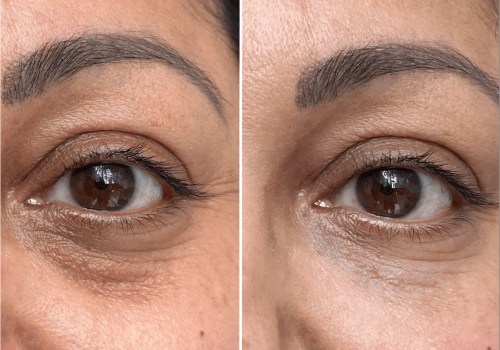
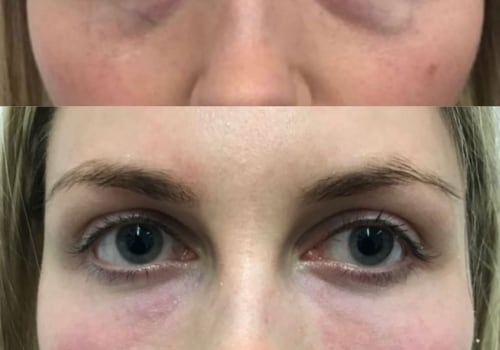
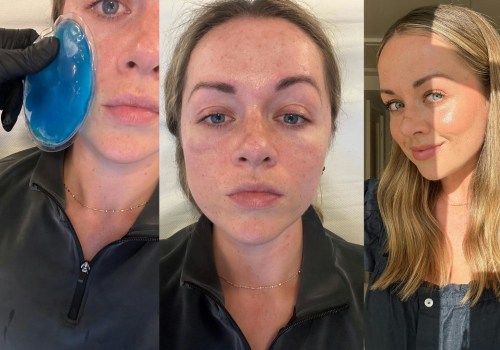
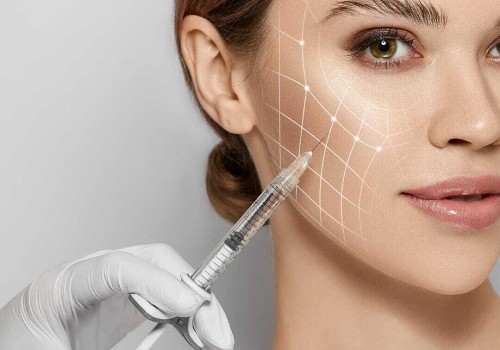
Polynucleotide treatments have emerged as a revolutionary approach in the realm of aesthetic medicine, offering a natural and effective solution for skin rejuvenation. But what exactly are polynucleotides? These are biopolymers composed of long chains of nucleotides, which are the building blocks of DNA and RNA. In the context of cosmetic treatments, polynucleotides are derived from natural sources and are known for their remarkable ability to stimulate cellular regeneration and enhance the skin's overall health.The primary mechanism through which polynucleotides work is by promoting the production of collagen and elastin, two essential proteins that contribute to skin elasticity and firmness. As we age, the natural production of these proteins diminishes, leading to visible signs of ageing such as wrinkles, sagging skin, and a loss of vitality.
By introducing polynucleotides into the skin through injections, we can effectively kickstart the body’s healing processes, resulting in a more youthful appearance.One of the most significant benefits of polynucleotide treatments is their ability to improve skin texture and tone. Patients often report a noticeable enhancement in their skin's radiance and smoothness within weeks of treatment. Additionally, polynucleotides possess anti-inflammatory properties that can help soothe irritated skin and reduce redness, making them suitable for various skin types, including sensitive skin.Moreover, these treatments are not just limited to facial rejuvenation; they can also be applied to other areas of the body where skin laxity or damage is present. From neck rejuvenation to hand treatments, polynucleotides offer versatile applications that cater to a wide range of aesthetic concerns.
As we delve deeper into this guide, we will explore how often these treatments should be performed to achieve optimal results and maintain the benefits over time.
The Science Behind Polynucleotides
Polynucleotides are naturally occurring biopolymers that play a crucial role in various biological processes, particularly in the field of regenerative medicine and cosmetic treatments. Understanding how these molecules function is essential for appreciating their effectiveness in skin rejuvenation therapies.At the core of polynucleotide treatments is their ability to stimulate the body’s natural healing processes. When injected into the skin, polynucleotides act as signaling molecules that promote cellular communication. This mechanism of action is vital for initiating a cascade of biological responses that lead to tissue repair and regeneration.Mechanism of Action
The primary mechanism through which polynucleotides exert their effects involves the stimulation of fibroblasts, the cells responsible for producing collagen and elastin.These proteins are fundamental components of the skin's extracellular matrix, providing structure, elasticity, and hydration. By enhancing fibroblast activity, polynucleotides encourage:
- Collagen Production: Collagen is essential for maintaining skin firmness and reducing the appearance of fine lines and wrinkles. Polynucleotides promote collagen synthesis by activating fibroblasts, leading to increased collagen deposition in the dermis.
- Elastin Production: Elastin contributes to the skin's elasticity and resilience. The stimulation of elastin production through polynucleotide treatments helps restore youthful skin texture and tone.
- Cell Regeneration: Polynucleotides enhance cell turnover and regeneration, which is crucial for repairing damaged skin and improving overall skin quality.
As a result, patients often experience a gradual improvement in skin texture and appearance over time, with optimal results typically becoming evident several months after treatment.In summary, the science behind polynucleotide treatments lies in their ability to harness the body’s natural healing mechanisms. By stimulating collagen and elastin production, these treatments offer a promising solution for those seeking to rejuvenate their skin effectively.
Initial Treatment Protocols
When embarking on a journey with polynucleotide treatments, understanding the initial treatment protocols is crucial for achieving optimal results. These protocols are designed to establish a solid foundation for your skin rejuvenation process, ensuring that the benefits of the treatments are maximised.Typically, the initial treatment schedule consists of a series of sessions, often recommended as a cycle of 2 to 3 treatments. Each session is spaced out to allow the body adequate time to respond to the therapy and for any potential side effects to diminish.The intervals between these sessions generally range from 2 to 4 weeks .This staggered approach is essential because it allows for the gradual stimulation of collagen and elastin production, which are vital for skin elasticity and overall appearance. During this period, patients may begin to notice subtle improvements in their skin texture and tone, although the most significant changes often become evident over several months.After completing the initial treatment cycle, it is advisable to consider maintenance sessions. These are typically scheduled every 3 to 6 months , depending on individual skin conditions and personal goals. Some patients may find that they require more frequent maintenance treatments, while others may be able to extend the intervals between sessions.It’s important to consult with a qualified practitioner who can tailor the treatment plan according to your specific needs.
Factors such as skin type, age, and the particular concerns being addressed will influence how often you should initiate polynucleotide treatments. By adhering to a well-structured initial treatment protocol, you can set yourself up for long-lasting results and enhanced skin health.
Maintenance Treatments: How Often Should You Continue?
Once you have completed the initial series of polynucleotide treatments, the focus shifts to maintenance treatments. These sessions are crucial for sustaining the results achieved during the initial cycle and ensuring that your skin continues to benefit from the rejuvenating properties of polynucleotides.Generally, it is recommended to schedule maintenance treatments every 3 to 6 months. This timeframe allows your skin to retain its improved texture and elasticity while also supporting ongoing collagen and elastin production.However, the exact frequency can vary based on individual factors such as skin type, age, lifestyle, and specific skin concerns.
Factors Influencing Maintenance Frequency
- Skin Type: Individuals with oily or acne-prone skin may notice that their results diminish more quickly, necessitating more frequent treatments.
- Age: As we age, our skin's natural regenerative processes slow down. Older patients might require more regular maintenance to counteract this decline.
- Lifestyle Factors: Environmental stressors such as sun exposure, pollution, and smoking can accelerate skin aging. Those exposed to these factors may benefit from more frequent sessions.
- Specific Skin Concerns: If you are addressing particular issues like deep wrinkles or significant loss of volume, you may need to adjust your maintenance schedule accordingly.
By staying attuned to your skin's needs and working closely with a professional, you can ensure that the benefits of polynucleotide treatments are long-lasting and effective.
Factors Influencing Treatment Frequency
When considering the frequency of polynucleotide treatments, it is essential to recognise that individual factors play a significant role in determining the optimal schedule. Each person's skin type, specific aesthetic concerns, and overall health can influence how often these rejuvenating treatments should be administered.Skin Types
Different skin types respond uniquely to polynucleotide treatments. For instance:- Oily Skin: Individuals with oily skin may experience faster results due to increased sebum production, which can enhance the absorption of the treatment. However, they might also require more frequent sessions initially to manage excess oil and prevent breakouts.
- Dry Skin: Those with dry skin may need a more tailored approach, as their skin might take longer to show improvements.
In such cases, a longer interval between treatments may be beneficial to allow the skin to recover and hydrate adequately.
- Sensitive Skin: For individuals with sensitive skin, it is crucial to proceed with caution. A slower introduction of polynucleotide treatments, perhaps starting with longer intervals between sessions, can help minimise adverse reactions.
- Aging Skin: Mature skin often shows signs of ageing such as fine lines and loss of elasticity. Patients in this category may benefit from more frequent treatments initially, followed by maintenance sessions every few months.
Specific Aesthetic Concerns
The specific issues being addressed also dictate treatment frequency. For example:- Wrinkles and Fine Lines: If the primary concern is the reduction of wrinkles, a series of treatments spaced closely together may be recommended to achieve quicker results.
- Skin Texture and Tone: For those looking to improve overall skin texture or tone, a gradual approach with longer intervals between sessions might be more effective, allowing the skin to adjust and regenerate.
- Scarring or Acne: Patients dealing with scarring or acne may require a more intensive treatment plan, potentially involving more frequent sessions initially to stimulate healing and regeneration.
Consulting with a qualified practitioner can help determine the best approach tailored to individual needs and goals.
Expected Results and Timeline
When considering polynucleotide treatments, understanding the expected results and timeline is crucial for managing your expectations. Many patients are eager to see improvements, but it’s important to recognise that these treatments work gradually, leveraging the body’s natural healing processes.Typically, patients may start to notice subtle changes within a few weeks following their initial treatment. These early signs of improvement can include enhanced skin texture, increased hydration, and a more radiant complexion. However, it is essential to remember that these initial results are just the beginning of a longer journey towards optimal outcomes.The full effects of polynucleotide treatments generally become more pronounced over a period of several months.This delayed gratification is due to the way polynucleotides stimulate collagen and elastin production, as well as promote cellular regeneration. As these processes unfold, patients often report significant improvements in skin elasticity, firmness, and overall appearance.
Timeline for Results
- Weeks 1-2: Initial improvements in skin hydration and texture may be observed.
- Weeks 3-4: Patients often notice a more radiant complexion and slight lifting effects.
- Months 1-3: The full benefits of the treatment begin to manifest, with enhanced skin elasticity and reduced fine lines.
- Months 4-6: Optimal results are typically achieved, showcasing significant rejuvenation and revitalisation of the skin.
By understanding the expected timeline for improvements and the gradual nature of these treatments, you can better appreciate the transformative effects they can have on your skin.
Potential Side Effects and Considerations
While polynucleotide treatments are generally considered safe and effective for skin rejuvenation, it is essential to be aware of potential side effects and safety considerations before undergoing these procedures. Understanding these factors can help you make an informed decision and ensure a positive experience.Common Side Effects
- Swelling: Mild swelling at the injection site is a common reaction. This usually subsides within a few days as the body adjusts to the treatment.
- Redness: Temporary redness may occur, similar to what one might experience after a minor skin injury. This typically resolves quickly.
- Bruising: Some patients may notice bruising around the injection sites, which can be minimised by avoiding blood-thinning medications prior to treatment.
- Pain or Discomfort: A slight sensation of pain or discomfort during and after the procedure is normal but should be manageable.
If pain persists, consult your practitioner.
Less Common Side Effects
- Allergic Reactions: Although rare, some individuals may experience allergic reactions to the components of the polynucleotide solution. Symptoms can include itching, rash, or swelling beyond the injection site.
- Infection: As with any injection-based treatment, there is a small risk of infection. Ensuring that the procedure is performed in a sterile environment by a qualified professional can mitigate this risk.
Safety Considerations
Before proceeding with polynucleotide treatments, it is crucial to consider your individual health status. Those with certain medical conditions or skin sensitivities should approach these treatments with caution.
For instance:
- If you have a history of severe allergies or an autoimmune disorder, consult your healthcare provider to assess your suitability for treatment.
- Pregnant or breastfeeding women are generally advised to avoid such procedures due to the lack of comprehensive studies on their safety in these populations.
- Individuals with active skin infections or inflammatory conditions should postpone treatment until their skin has fully healed.
Consultation is Key
A thorough consultation with a qualified practitioner is essential before undergoing polynucleotide treatments. They will evaluate your medical history, discuss potential risks, and tailor a treatment plan that aligns with your specific needs and goals. By taking these precautions, you can enhance your safety and satisfaction with the results of your polynucleotide treatment.
FAQs About Polynucleotide Treatments
Polynucleotide treatments have gained significant attention in recent years, leading to a plethora of questions from potential patients. Below, we address some of the most frequently asked questions to help clarify common misconceptions and provide valuable insights.What are polynucleotides?
Polynucleotides are naturally occurring molecules that play a crucial role in cellular functions, including DNA and RNA synthesis.In cosmetic treatments, they are used to promote skin rejuvenation by stimulating collagen and elastin production, enhancing cell regeneration, and improving overall skin texture.
Are polynucleotide treatments safe?
Yes, when administered by a qualified professional, polynucleotide treatments are generally considered safe. They are derived from natural sources and have a low risk of adverse reactions. However, as with any cosmetic procedure, it is essential to discuss your medical history and any concerns with your practitioner prior to treatment.How long do the effects of polynucleotide treatments last?
The longevity of results can vary based on individual factors such as skin type, age, and lifestyle. Typically, patients may notice improvements lasting from several months up to a year.To maintain optimal results, follow-up treatments are recommended every 3 to 6 months.
Can polynucleotide treatments replace other cosmetic procedures?
While polynucleotide treatments can significantly enhance skin quality and appearance, they are not a direct replacement for other procedures such as fillers or Botox. Instead, they can complement these treatments by improving skin health and texture.Are there any side effects associated with polynucleotide treatments?
Most patients experience minimal side effects, which may include mild swelling or bruising at the injection site. These effects typically resolve within a few days. It is important to follow post-treatment care instructions provided by your practitioner to minimise any potential discomfort.What should I expect during the treatment process?
The treatment process usually involves a consultation where your practitioner will assess your skin and discuss your goals.The actual procedure is relatively quick, often taking less than an hour. Patients may feel slight discomfort during the injections, but this is generally well-tolerated.In conclusion, understanding these common questions about polynucleotide treatments can help alleviate concerns and set realistic expectations for potential patients. Always consult with a qualified professional to ensure you receive personalised advice tailored to your specific needs.
Conclusion: Making Informed Decisions on Treatment Frequency
In conclusion, determining the appropriate frequency for polynucleotide treatments is a nuanced process that requires careful consideration of individual circumstances. Throughout this guide, we have explored various factors that influence treatment schedules, including the initial series of sessions, maintenance intervals, and the unique responses of different skin types.It is essential to remember that polynucleotide treatments are not merely a one-off solution; they are part of a broader strategy aimed at achieving and maintaining optimal skin health.The initial phase typically involves 2 to 3 treatments spaced 2 to 4 weeks apart, allowing the body to respond effectively to the rejuvenating properties of polynucleotides. Following this initial phase, maintenance sessions every 3 to 6 months can help sustain the results.However, individual needs can vary significantly. Some patients may find that their skin responds well and requires less frequent maintenance, while others may benefit from more regular treatments. Factors such as age, skin type, lifestyle, and specific skin concerns all play a crucial role in shaping a personalised treatment plan.Moreover, it is important to manage expectations regarding the timeline for visible results.
While many individuals begin to notice improvements within weeks of their first treatment, the full benefits often manifest over several months as collagen and elastin production increases.Ultimately, the best course of action is to consult with a qualified professional who can assess your unique situation and provide tailored recommendations. They can help you navigate the complexities of polynucleotide treatments and ensure that your approach aligns with your aesthetic goals and skin health needs.By making informed decisions based on expert advice, you can optimise your treatment frequency and enjoy the long-lasting benefits that polynucleotide therapies have to offer.