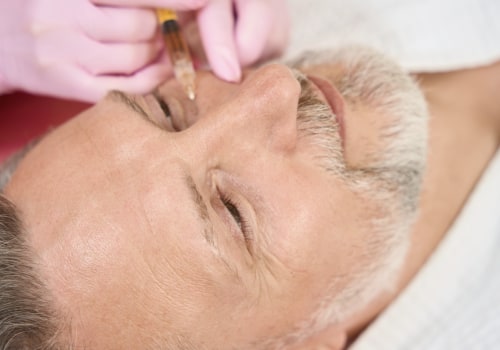
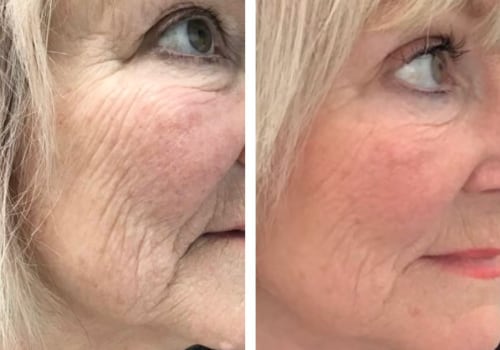
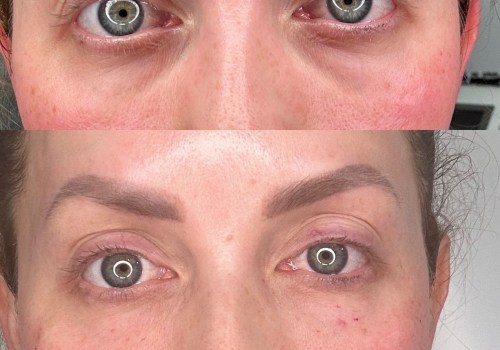
In the realm of cosmetic treatments, polynucleotide treatment has emerged as a revolutionary option for those seeking to rejuvenate their skin and combat the visible signs of aging. But what exactly are polynucleotides ? These naturally occurring molecules, which are long chains of nucleotides, play a crucial role in the body’s cellular processes, particularly in the synthesis of DNA and RNA. Their unique properties have made them a focal point in aesthetic medicine, where they are harnessed to stimulate collagen and elastin production, essential proteins that maintain skin elasticity and firmness.The increasing popularity of polynucleotide treatments can be attributed to their ability to enhance skin quality without the need for invasive procedures. As we age, our skin loses its natural resilience, leading to wrinkles, fine lines, and sagging.
By introducing polynucleotides into the skin through injections, patients can experience a significant improvement in hydration, texture, and overall appearance. This treatment not only promotes healing but also encourages the regeneration of skin cells, making it an attractive option for individuals looking to achieve a more youthful complexion.Moreover, polynucleotide treatments are often well-tolerated by patients, with minimal downtime compared to traditional cosmetic procedures. This aspect makes them particularly appealing for those with busy lifestyles who wish to enhance their appearance without extensive recovery periods. As we delve deeper into the subject of polynucleotide treatment, it is essential to consider not only its benefits but also the potential side effects that may arise from this innovative approach to skin rejuvenation.
What Are Polynucleotides?
Polynucleotides are essential biomolecules that play a critical role in the structure and function of living organisms.They are long chains composed of nucleotide units, which are the building blocks of DNA and RNA. Each nucleotide consists of three components: a phosphate group, a sugar molecule, and a nitrogenous base. The sequence of these nucleotides encodes genetic information, making polynucleotides fundamental to biological processes such as replication, transcription, and translation.There are two primary types of polynucleotides: deoxyribonucleic acid (DNA) and ribonucleic acid (RNA). DNA is typically double-stranded and serves as the genetic blueprint for all living organisms, while RNA is usually single-stranded and plays various roles in protein synthesis and gene regulation.
Each type of polynucleotide has distinct functions:
- DNA: Stores genetic information and transmits it during cell division.
- RNA: Involved in translating genetic information into proteins, with several forms including messenger RNA (mRNA), transfer RNA (tRNA), and ribosomal RNA (rRNA).
This process is vital for cellular function and organismal development.In recent years, polynucleotides have gained attention in medical aesthetics, particularly in treatments aimed at skin rejuvenation. Their ability to stimulate collagen and elastin production makes them valuable in combating signs of aging. Understanding the fundamental nature of polynucleotides not only highlights their biological significance but also underscores their potential therapeutic applications.
The Mechanism of Action: How Polynucleotides Work in Skin Treatments
Polynucleotides, specifically polydeoxyribonucleotides, are essential components in the realm of skin rejuvenation treatments. Their mechanism of action is rooted in their ability to stimulate cellular processes that promote healing and regeneration.When injected into the skin, polynucleotides interact with specific receptors on skin cells, initiating a cascade of biological responses that enhance skin quality.One of the primary ways polynucleotides work is by stimulating collagen and elastin production. Collagen is a protein that provides structure and firmness to the skin, while elastin allows it to stretch and return to its original shape. As we age, the natural production of these proteins diminishes, leading to wrinkles and sagging skin. By introducing polynucleotides into the dermal layer, these treatments encourage fibroblasts—cells responsible for producing collagen and elastin—to increase their activity.
This results in a more youthful appearance as the skin becomes firmer and more elastic.Additionally, polynucleotides enhance cellular hydration. They have a unique ability to attract water molecules, which helps to maintain moisture levels within the skin. This hydration is crucial for overall skin health, as it not only improves texture but also aids in the repair of damaged tissues. The increased moisture content can lead to a plumper appearance, reducing the visibility of fine lines and enhancing overall skin tone.Moreover, polynucleotides play a significant role in modulating inflammation.
When injected, they can help regulate the inflammatory response that often accompanies skin damage or aging. By promoting a balanced inflammatory response, polynucleotides facilitate quicker healing and recovery from various skin conditions. This anti-inflammatory effect is particularly beneficial for individuals with sensitive or reactive skin.In summary, the mechanism of action of polynucleotides in skin treatments involves stimulating collagen and elastin production, enhancing cellular hydration, and modulating inflammation. Understanding these processes not only highlights the efficacy of polynucleotide treatments but also provides context for potential side effects that may arise during or after treatment.
As with any medical procedure, being informed about how these treatments work can empower patients to make educated decisions regarding their skincare options.
Common Side Effects of Polynucleotide Treatment
When considering polynucleotide treatment, it is crucial to be informed about the potential side effects that may arise following the procedure. While many patients experience positive outcomes, understanding the common reactions can help in making an educated decision regarding treatment.One of the most frequently reported side effects is redness at the injection site. This reaction is a natural response of the skin to the needle and the introduction of polynucleotides. Typically, this redness is temporary and should subside within a few hours to a day, depending on individual skin sensitivity.Applying a cold compress can help alleviate this symptom more quickly.
Swelling
is another common mild side effect associated with polynucleotide injections. This localized swelling occurs as part of the body’s healing response, where increased blood flow and fluid accumulation promote cellular activity and collagen stimulation. Like redness, swelling usually resolves within a couple of days and can be managed with gentle care and hydration.
Bruising
may also occur, particularly in areas where the skin is thinner or more delicate. This happens due to minor injuries to blood vessels during the injection process.
Bruises are generally harmless and will fade within a week. To minimise bruising, patients are advised to avoid anticoagulant substances prior to treatment and may benefit from topical applications like arnica gel or vitamin K cream.In addition to these common reactions, some individuals may experience mild itching or tenderness in the treated area. These sensations are typically signs that the body is responding positively to the treatment as it works to repair and rejuvenate the skin.While these side effects are generally mild and temporary, it is essential for patients to monitor their symptoms closely. If any unusual or severe reactions occur, such as persistent swelling, intense pain, or signs of infection (like increased warmth or discharge), it is advisable to consult a healthcare professional promptly.Overall, being aware of these common side effects can help set realistic expectations for those considering polynucleotide treatments, ensuring a more informed and confident approach to enhancing skin quality.
Less Common but Serious Side Effects
While the majority of individuals undergoing polynucleotide treatment experience only mild and temporary side effects, it is essential to be aware of the less common but potentially serious complications that can arise.Understanding these risks not only aids in informed decision-making but also fosters trust between patients and healthcare providers.
Allergic Reactions
One of the more concerning side effects associated with polynucleotide treatments is the possibility of allergic reactions. Although rare, some patients may exhibit hypersensitivity to the components of the injected material, particularly if it contains substances derived from fish DNA. Symptoms of an allergic reaction can vary in severity and may include:- Itching at the injection site or other areas of the body
- Swelling , which may extend beyond the injection site
- Redness and irritation of the skin
- Rash or hives appearing on various parts of the body
- In severe cases, anaphylaxis , a life-threatening condition that requires immediate medical attention
Vascular Occlusion
Another serious but infrequent complication is vascular occlusion.This occurs when the injected polynucleotide inadvertently enters a blood vessel, leading to restricted blood flow in surrounding tissues. The consequences can be significant, including:
- Tissue damage , which may manifest as necrosis if not addressed swiftly
- Pain in the treated area, often described as severe or increasing over time
- Discoloration , where the skin may appear pale or bluish due to lack of blood supply
- Coldness in the affected area, indicating compromised circulation
Managing Side Effects: Tips for Patients
After undergoing polynucleotide treatment, it is essential for patients to adopt effective strategies to manage any potential side effects.While most side effects are mild and temporary, proper aftercare can significantly enhance comfort and promote optimal healing.
1.Cold Compress Application
- Applying a cold compress to the treated area can help alleviate swelling and redness. This method works by constricting blood vessels, which reduces inflammation and numbs the area, providing immediate relief.
- Wrap ice or a cold pack in a clean cloth and apply it gently to the injection site for 10-15 minutes at a time. Ensure that you allow your skin to return to normal temperature between applications.
2.Gentle Cleansing and Moisturising
- Keep the treated area clean by using a mild, non-irritating cleanser. Avoid harsh scrubs or exfoliants that could aggravate the skin.
- After cleansing, apply a gentle moisturiser to keep the skin hydrated.
Look for products that contain soothing ingredients like hyaluronic acid or aloe vera, which can help calm irritation.
3.Avoiding Sun Exposure
- Sun exposure can exacerbate redness and swelling, so it is crucial to protect your skin from UV rays following treatment. Wear a broad-spectrum sunscreen with an SPF of at least 30 whenever you go outside.
- If possible, avoid direct sunlight for at least one week post-treatment. Wearing a wide-brimmed hat can also provide additional protection.
4.Managing Bruising
- If bruising occurs, consider using arnica gel or vitamin K cream to expedite healing. These topical treatments can help reduce the appearance of bruises and promote recovery.
- Avoid blood-thinning medications or supplements, such as aspirin or fish oil, before treatment to minimise bruising risk.
5.Staying Hydrated
- Drinking plenty of water is vital for overall skin health and recovery.
Hydration helps maintain skin elasticity and supports the body’s natural healing processes.
- Aim for at least 2 litres of water daily, adjusting based on your activity level and climate conditions.
6.Monitoring Symptoms
- Keep an eye on any unusual symptoms that may arise after treatment. If you experience severe pain, prolonged swelling, or signs of infection such as increased redness or warmth, contact your healthcare provider immediately.
- Being proactive about monitoring your condition can help address any complications early on.
Consultation and Choosing a Provider for Polynucleotide Treatment
When considering polynucleotide treatment, selecting a qualified provider is paramount to ensure both safety and efficacy. The consultation process serves as a critical first step in this journey, allowing patients to engage in an open dialogue about their aesthetic goals, medical history, and any concerns they may have regarding the treatment.During the consultation, it is essential to discuss the following:- Provider Qualifications: Ensure that the practitioner is licensed and has specific training in administering polynucleotide injections. Look for credentials that indicate expertise in aesthetic medicine.
- Experience with Polynucleotide Treatments: Inquire about the provider's experience with polynucleotide therapies.
Ask how many procedures they have performed and request before-and-after photos of previous patients to gauge their results.
- Understanding Risks and Benefits: A reputable provider will take the time to explain the potential risks and benefits associated with polynucleotide treatment. This includes discussing common side effects such as redness, swelling, and bruising, as well as rare complications that may arise.
- Personalised Treatment Plan: Each patient’s skin is unique, and a qualified provider should create a tailored treatment plan that addresses individual needs and concerns. This plan should include the number of sessions required and expected outcomes.
- Post-Treatment Care: Discuss aftercare instructions thoroughly. Proper post-treatment care is crucial for minimising side effects and achieving optimal results.
Ensure that the clinic adheres to strict hygiene protocols, including the use of sterile equipment and techniques during injections. Additionally, confirm that the provider has a clear plan for managing any adverse reactions or complications that may occur during or after the procedure.Ultimately, taking the time to choose a qualified provider and engaging in a comprehensive consultation can significantly enhance your experience with polynucleotide treatment. This proactive approach not only fosters trust but also empowers you to make informed decisions about your aesthetic journey.
Frequently Asked Questions About Polynucleotide Treatment Side Effects
As patients consider polynucleotide treatment, it is natural to have questions and concerns regarding potential side effects. Here, we address some of the most frequently asked questions to provide clarity and reassurance.What are the most common side effects of polynucleotide treatment?
The most frequently reported side effects include:- Redness: A common reaction at the injection site, usually resolving within a few hours to a day.
- Swelling: Mild swelling may occur as part of the body’s natural healing response, typically subsiding within 48 hours.
- Bruising: Minor bruising can happen due to small blood vessel damage during the injection, generally fading within a week.
- Itching or tenderness: Some patients may experience mild itching or tenderness in the treated area, indicating a positive response to the treatment.
Are there any serious side effects associated with polynucleotide treatment?
While serious side effects are rare, they can occur.Potential serious reactions include:
- Allergic reactions: Symptoms may range from mild itching and redness to more severe reactions like swelling or anaphylaxis.
- Granulomas: These are small lumps that can form as an immune response to the injected material, though they are uncommon.
- Vascular occlusion: This occurs when an injection inadvertently blocks a blood vessel, leading to tissue damage if not addressed promptly.
How can I minimise side effects after treatment?
To reduce the likelihood of side effects, consider the following tips:- Avoid strenuous exercise for at least 24 hours post-treatment.
- Keep the treated area clean and avoid touching it unnecessarily.
- Apply cold compresses to alleviate swelling and redness.
- If you notice any unusual symptoms, contact your healthcare provider immediately for advice.
Conclusion: Weighing the Benefits Against Potential Risks
In conclusion, the decision to undergo polynucleotide treatment should be made with careful consideration of both its potential benefits and associated risks. As highlighted throughout this article, polynucleotides offer a promising avenue for skin rejuvenation, primarily through their ability to stimulate collagen and elastin production. This can lead to significant improvements in skin texture, elasticity, and overall appearance, making them an attractive option for those seeking to combat the signs of aging.However, it is equally important to acknowledge the potential side effects that may arise from these treatments.Common reactions such as redness, swelling, and bruising are generally mild and temporary, often resolving within a few days. Yet, more serious complications, although rare, can occur. These include allergic reactions and vascular occlusion, which necessitate immediate medical attention. Understanding these risks is crucial for anyone considering this treatment.Moreover, the effectiveness of polynucleotide treatments can vary based on individual skin types and conditions.
Factors such as age, skin sensitivity, and overall health can influence both the results and the likelihood of experiencing side effects. Therefore, a thorough consultation with a qualified practitioner is essential to tailor the treatment plan to your specific needs.Ultimately, weighing the benefits against the potential risks involves not only understanding the science behind polynucleotides but also being aware of your own body’s responses. By doing so, you can make an informed decision that aligns with your aesthetic goals while prioritising your safety and well-being.In summary, while polynucleotide treatments present a valuable option for skin rejuvenation, it is vital to approach them with a balanced perspective. Engaging in open discussions with healthcare professionals and considering personal health factors will empower you to navigate this innovative treatment landscape effectively.