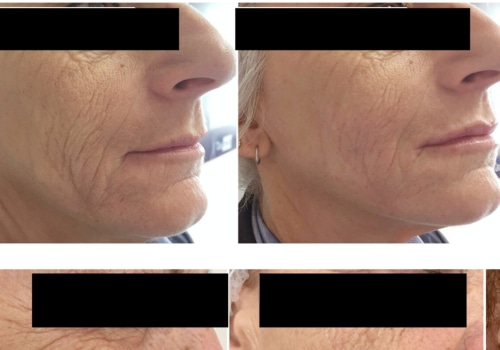
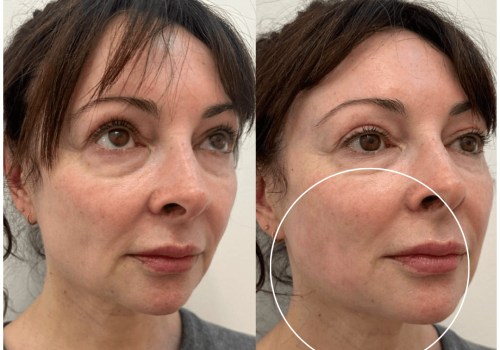
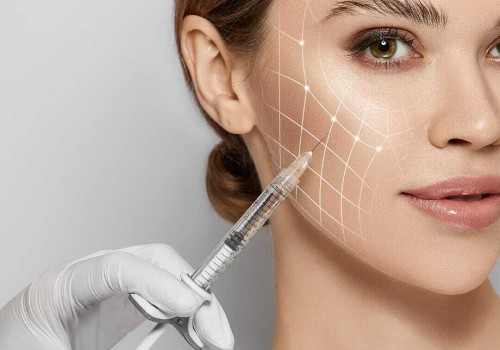
Polynucleotides, often abbreviated as PNs, are naturally occurring biopolymers that play a crucial role in the biological processes of living organisms. Composed of long chains of nucleotide units, these molecules are fundamental to the structure and function of DNA and RNA. In the realm of skincare, particularly in aesthetic treatments, polynucleotides have emerged as a revolutionary ingredient due to their remarkable ability to promote skin rejuvenation and repair.Originating primarily from fish DNA, such as that derived from salmon or trout, polynucleotides are highly purified and sterile products that can be injected into various areas of the skin. Their unique composition allows them to interact effectively with skin cells, stimulating collagen production and enhancing skin elasticity.
This makes them particularly beneficial for delicate areas like under the eyes, where skin tends to be thinner and more prone to signs of aging.The benefits of polynucleotides extend beyond mere hydration. They are known to improve overall skin texture, reduce the appearance of fine lines and wrinkles, and even diminish dark circles. By promoting cell regeneration and increasing moisture levels in the skin, polynucleotides help restore a youthful glow to the under-eye area. Furthermore, their anti-inflammatory properties contribute to a reduction in puffiness and irritation, making them an ideal choice for individuals seeking a non-invasive solution for under-eye concerns.As the demand for effective and safe skincare treatments continues to rise, polynucleotides stand out as a promising option for those looking to enhance their appearance without resorting to more invasive procedures.
Understanding the science behind these powerful molecules is essential for anyone considering their use in aesthetic treatments.
How Polynucleotides Work
Polynucleotides, often abbreviated as PNs, are gaining recognition in the field of aesthetic medicine for their remarkable ability to rejuvenate the skin, particularly in delicate areas such as under the eyes. Understanding how polynucleotides work is essential to appreciate their effectiveness in stimulating collagen production and enhancing skin elasticity.At the core of their mechanism of action is the role of nucleotides, which are the fundamental building blocks of DNA and RNA. When injected into the skin, polynucleotides interact with fibroblasts—cells responsible for producing collagen and elastin. This interaction initiates a cascade of biological processes that lead to improved skin structure and function.One of the primary ways polynucleotides exert their effects is through:- Collagen Stimulation: Polynucleotides stimulate fibroblasts to increase collagen synthesis.
Collagen is crucial for maintaining skin firmness and elasticity. As we age, collagen production naturally declines, leading to sagging skin and wrinkles. By enhancing collagen levels, polynucleotides help restore a youthful appearance.
- Hydration Enhancement: Polynucleotides have a unique ability to attract and retain moisture within the skin. This hydrating effect not only plumps up the skin but also improves its overall texture, making it look smoother and more radiant.
- Cell Regeneration: The introduction of polynucleotides into the skin promotes cell turnover and regeneration.
This means that damaged or aged skin cells are replaced more rapidly with healthier ones, contributing to a fresher complexion.
- Reduction of Inflammation: Polynucleotides possess anti-inflammatory properties that can help soothe irritated skin. By reducing inflammation, they create an optimal environment for healing and rejuvenation.
These processes collectively contribute to their effectiveness as a non-surgical option for rejuvenating the under-eye area and addressing various signs of aging.
Safety Profile of Polynucleotide Treatments
When considering any cosmetic treatment, particularly around the sensitive under-eye area, understanding the safety profile of the procedure is paramount. Polynucleotide treatments have garnered attention for their regenerative properties, but potential patients often wonder: Are polynucleotides safe?Polynucleotides, derived from fish DNA, are designed to stimulate collagen production and enhance skin hydration. Their application in aesthetic medicine is generally regarded as safe, especially when performed by qualified healthcare professionals. The risk of adverse reactions is minimal, making them a viable alternative for individuals who may not be suitable candidates for traditional dermal fillers.One of the key advantages of polynucleotide injections is their ability to promote healing and tissue regeneration.This regenerative effect not only improves skin texture but also reduces inflammation, which can be particularly beneficial for those with sensitive skin or pre-existing conditions. However, like any medical procedure, there are potential side effects to consider.
Potential Side Effects
- Swelling: Mild swelling at the injection site is common and typically resolves within a few days.
- Bruising: Some patients may experience bruising, especially if they are prone to it.
- Redness: Temporary redness can occur but usually subsides quickly.
- Itching or Discomfort: A slight itching sensation may be felt post-treatment, which generally diminishes over time.
This not only maximises the benefits of the treatment but also minimises any potential risks associated with the procedure.
Polynucleotides vs. Traditional Fillers
When considering aesthetic treatments for the under-eye area, it is essential to understand the differences between polynucleotides and traditional dermal fillers. Both options aim to rejuvenate the skin, but they do so through distinct mechanisms and offer unique benefits tailored to various skin types and concerns.Understanding Polynucleotides
Polynucleotides are derived from natural sources, typically fish DNA, and are designed to stimulate the body’s own healing processes. They work by promoting collagen production, enhancing skin elasticity, and increasing hydration levels.
This regenerative approach not only improves the appearance of fine lines and wrinkles but also addresses underlying skin quality issues.
Traditional Dermal Fillers
In contrast, traditional dermal fillers are primarily composed of hyaluronic acid or other synthetic materials. These fillers provide immediate volume and contouring effects by physically filling in areas of concern. While they can effectively reduce the appearance of hollows and dark circles, their results are often temporary and may require frequent touch-ups.
Key Differences
- Mechanism of Action: Polynucleotides enhance natural skin regeneration, while dermal fillers provide instant volume.
- Longevity: The effects of polynucleotide treatments can last longer due to their ability to stimulate collagen production, whereas fillers typically require more regular maintenance.
- Suitability: Polynucleotides are ideal for individuals with thinner skin or those who may not be suitable candidates for fillers due to concerns like puffiness or poor skin quality.
- Side Effects: Polynucleotide treatments generally have a lower risk of adverse reactions compared to fillers, which can sometimes lead to lumps or unevenness if not administered correctly.
Advantages of Polynucleotides Over Fillers
The advantages of choosing polynucleotides over traditional fillers are significant:
- Natural Results: The regenerative nature of polynucleotides leads to more natural-looking results as they enhance the skin's overall health rather than merely filling in voids.
- Improved Skin Quality: Beyond aesthetic improvements, polynucleotides contribute to better skin texture and hydration, addressing multiple concerns simultaneously.
- Minimal Downtime: Patients often experience less swelling and bruising with polynucleotide treatments compared to traditional fillers, allowing for a quicker return to daily activities.
Applications of Polynucleotides Under the Eyes
Polynucleotides have emerged as a revolutionary treatment for addressing various concerns in the delicate under-eye area.Their unique properties make them particularly effective in tackling issues such as dark circles, fine lines, and overall skin rejuvenation.One of the primary applications of polynucleotides under the eyes is their ability to combat dark circles. These circles often result from a combination of factors, including genetics, fatigue, and thinning skin. By injecting polynucleotides, practitioners can enhance skin hydration and stimulate collagen production, which helps to restore volume and elasticity. This process not only diminishes the appearance of dark circles but also revitalises the skin, giving it a more youthful and vibrant look.In addition to treating dark circles, polynucleotides are highly effective in reducing fine lines around the eyes.
As we age, our skin loses its natural elasticity and moisture, leading to the formation of wrinkles. The regenerative properties of polynucleotides promote cell renewal and repair damaged tissues, resulting in smoother skin texture. Patients often report a noticeable improvement in the appearance of fine lines after undergoing treatment.The rejuvenating effects of polynucleotides extend beyond mere aesthetics. They also play a crucial role in enhancing overall skin health.
By increasing blood circulation and promoting cellular regeneration, polynucleotides help to strengthen the skin barrier, making it more resilient against environmental stressors. This holistic approach not only addresses visible signs of ageing but also contributes to long-term skin vitality.Moreover, polynucleotide treatments are minimally invasive and typically involve little to no downtime. This makes them an attractive option for individuals seeking effective solutions without the need for extensive recovery periods. Many patients appreciate that they can return to their daily activities shortly after treatment.In summary, the applications of polynucleotides under the eyes are multifaceted.
From reducing dark circles and fine lines to promoting overall skin rejuvenation, this innovative treatment offers a comprehensive solution for those looking to enhance their appearance while maintaining skin health. As more individuals seek out non-surgical options for facial rejuvenation, polynucleotides stand out as a safe and effective choice for achieving youthful-looking eyes.
Consultation and Treatment Process
When considering polynucleotide treatment for under-eye rejuvenation, the initial consultation is a crucial step in the process. This meeting serves as an opportunity for both the patient and the practitioner to discuss concerns, expectations, and the specific outcomes desired from the treatment.What to Expect During Your Consultation
- Comprehensive Assessment: The practitioner will conduct a thorough evaluation of your under-eye area, assessing skin quality, elasticity, and any specific issues such as dark circles or fine lines. This assessment helps in determining whether polynucleotide treatment is suitable for you.
- Medical History Review: It’s essential to disclose your complete medical history, including any allergies, previous treatments, or medications you are currently taking.
This information ensures that the treatment plan is tailored to your individual needs and safety.
- Discussion of Expectations: Open dialogue about what you hope to achieve with the treatment is vital. The practitioner will explain how polynucleotides work and what results you can realistically expect.
- Addressing Concerns: Patients often have questions or apprehensions regarding the procedure. This is the perfect time to voice any concerns about safety, recovery time, or potential side effects.
The Treatment Process
Once you have decided to proceed with polynucleotide treatment, understanding the process can help alleviate any anxiety:
- Preparation: On the day of your treatment, the area around your eyes will be cleaned thoroughly. A topical anaesthetic may be applied to minimise discomfort during the injection process.
- Injection Technique: Using a fine needle, the practitioner will inject polynucleotides into specific areas under your eyes.
The procedure is generally quick, often taking less than 30 minutes.
- Post-Treatment Care: After the injections, you may experience mild swelling or bruising, which typically subsides within a few days. The practitioner will provide aftercare instructions to ensure optimal healing and results.
- Follow-Up Appointments: A follow-up visit may be scheduled to assess your progress and determine if additional treatments are necessary for achieving your desired outcome.
Expert Opinions on Polynucleotide Treatments
In the realm of aesthetic treatments, the insights of seasoned professionals can significantly influence patient choices and expectations. Experts in the field of regenerative medicine and aesthetics have begun to advocate for the use of polynucleotides due to their promising results and safety profile.Dr. Uche, a renowned practitioner in aesthetic medicine, highlights the versatility of polynucleotide treatments.He states, "Polynucleotides are a revolutionary approach to skin rejuvenation, particularly for delicate areas like under the eyes. They not only enhance hydration but also stimulate collagen production, which is crucial for maintaining skin elasticity." His endorsement stems from numerous successful cases where patients have reported visible improvements in skin texture and reduced signs of ageing.Another expert, Kate Mullane, owner of Heidi Rose Aesthetics, echoes these sentiments. She notes, "For patients who may not be ideal candidates for traditional fillers—due to issues like excessive bags or poor skin quality—polynucleotides offer a safe and effective alternative. They provide a natural-looking enhancement without the risks associated with more invasive procedures." This perspective is particularly valuable for individuals seeking non-surgical options.Testimonials from practitioners further reinforce the efficacy of polynucleotide treatments.
Many report that patients experience minimal discomfort during the procedure and appreciate the gradual yet noticeable improvements in their under-eye area. One patient shared, "After my treatment with polynucleotides, I noticed my dark circles were less pronounced, and my skin felt plumper and more hydrated. It was a subtle change but made a significant difference in my overall appearance."Moreover, Dr. Leah, another respected figure in this field, emphasizes the importance of tailored consultations.
She explains, "Every patient is unique; during our initial meetings, we assess individual concerns and determine if polynucleotide treatment is suitable. This personalised approach ensures that we achieve the best possible outcomes for our clients." Such thorough evaluations contribute to the high satisfaction rates reported by patients.In summary, expert opinions on polynucleotides highlight their safety and effectiveness as a treatment option for under-eye rejuvenation. With endorsements from leading practitioners and positive patient testimonials, it is clear that polynucleotide treatments are carving out a significant niche in aesthetic medicine.
Frequently Asked Questions about Polynucleotides
As the popularity of polynucleotide treatments continues to rise, many individuals have questions regarding their safety and efficacy, particularly in sensitive areas like under the eyes. Below are some frequently asked questions that address common concerns and misconceptions about polynucleotides.What are polynucleotides?
Polynucleotides are naturally occurring molecules derived from fish DNA, typically sourced from salmon or trout.They play a crucial role in cellular functions and are known for their regenerative properties. When injected into the skin, they stimulate collagen production, enhance hydration, and promote cell renewal, making them an appealing option for aesthetic treatments.
Are polynucleotides safe for under-eye treatments?
Yes, polynucleotides are generally considered safe for use in the under-eye area. Clinical studies and practitioner experiences indicate a low incidence of adverse reactions when administered by qualified professionals. Their ability to improve skin elasticity and hydration makes them particularly suitable for this delicate region.What are the benefits of using polynucleotides under the eyes?
- Hydration: Polynucleotides significantly increase moisture levels in the skin, helping to combat dryness and improve overall texture.
- Collagen Stimulation: They encourage collagen synthesis, which can reduce the appearance of fine lines and wrinkles.
- Skin Regeneration: By promoting cell turnover, polynucleotides help rejuvenate tired-looking skin and diminish dark circles.
Are there any side effects associated with polynucleotide treatments?
While side effects are rare, some patients may experience mild swelling, redness, or bruising at the injection site.These effects typically resolve within a few days. It is essential to consult with a qualified practitioner who can assess your individual needs and minimize potential risks.
Can anyone undergo polynucleotide treatment?
Most individuals are suitable candidates for polynucleotide treatments; however, those with specific medical conditions or allergies should consult their healthcare provider before proceeding. A thorough consultation will help determine if this treatment aligns with your aesthetic goals and health status.Are there any myths about polynucleotide safety?
A common myth is that polynucleotide treatments are equivalent to dermal fillers. While both aim to enhance facial aesthetics, they function differently.Dermal fillers provide immediate volume, whereas polynucleotides work gradually to improve skin quality over time. Understanding these differences can help manage expectations and clarify treatment options.
Conclusion: The Future of Under-Eye Treatments with Polynucleotides
As we conclude our exploration of polynucleotides and their application in under-eye treatments, it is evident that this innovative approach offers a promising alternative to traditional methods. The ability of polynucleotides to enhance skin hydration, stimulate collagen production, and improve overall skin elasticity positions them as a valuable tool in the realm of aesthetic medicine.Throughout this article, we have highlighted several key benefits of polynucleotide treatments. Firstly, their safety profile is commendable, particularly when administered by qualified professionals.This aspect is crucial for patients who may be hesitant about more invasive procedures or those who do not qualify for dermal fillers due to specific concerns such as skin laxity or the presence of under-eye bags.Moreover, the regenerative properties of polynucleotides not only address cosmetic issues but also promote healing and rejuvenation at a cellular level. By encouraging cell renewal and reducing inflammation, these treatments can significantly enhance the appearance of the delicate skin around the eyes.Looking ahead, the future of under-eye treatments with polynucleotides appears bright. As research continues to evolve, we can anticipate further advancements in formulation and application techniques. This may lead to even more effective treatments tailored to individual patient needs, expanding the range of conditions that can be addressed.Additionally, as awareness grows regarding the benefits of polynucleotides, we may see an increase in their adoption across various demographics.
Patients seeking non-surgical options for rejuvenation will likely find polynucleotide treatments appealing due to their minimal downtime and natural-looking results.In summary, polynucleotides represent a significant advancement in aesthetic treatments for the under-eye area. Their ability to provide hydration, stimulate collagen production, and improve skin quality makes them a compelling choice for those looking to enhance their appearance safely and effectively. As we move forward, ongoing research and clinical experience will undoubtedly refine these treatments further, solidifying their place in modern aesthetic practice.