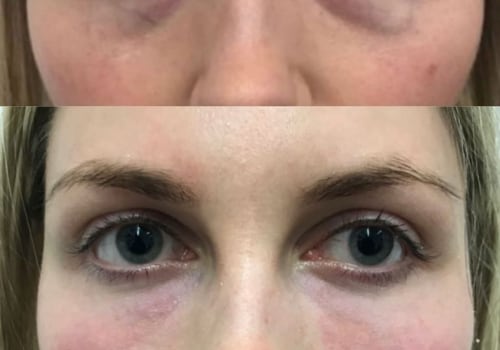
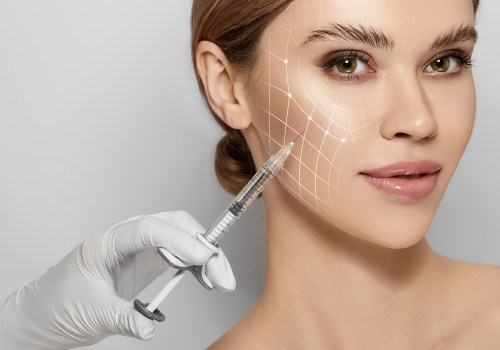
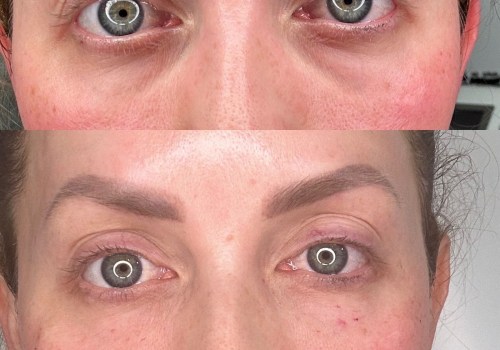
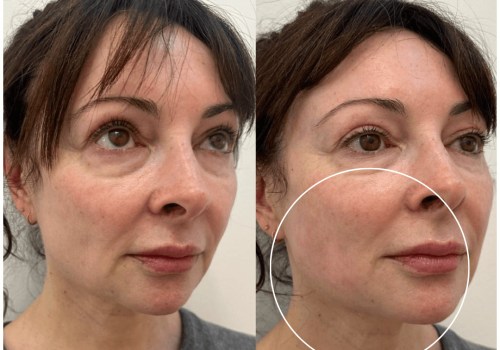
Polynucleotides are fascinating biomolecules that play a crucial role in the field of cosmetic treatments, particularly in skincare. Composed of long chains of nucleotides, these compounds are derived from natural sources, such as salmon or trout sperm, and are known for their remarkable ability to enhance skin health. Their unique structure allows them to interact with skin cells at a molecular level, promoting various beneficial processes that contribute to a more youthful and vibrant appearance.The significance of polynucleotides in skincare cannot be overstated. They are celebrated for their multifaceted benefits, which include improving skin texture, enhancing elasticity, and reducing the appearance of fine lines and wrinkles. Polynucleotides are fascinating biomolecules that play a crucial role in the field of cosmetic treatments, particularly in skincare. Composed of long chains of nucleotides, these compounds are derived from natural sources, such as salmon or trout sperm, and are known for their remarkable ability to enhance skin health. Their unique structure allows them to interact with skin cells at a molecular level, promoting various beneficial processes that contribute to a more youthful and vibrant appearance.The significance of polynucleotides in skincare cannot be overstated. They are celebrated for their multifaceted benefits, which include improving skin texture, enhancing elasticity, and reducing the appearance of fine lines and wrinkles.
Additionally, polynucleotides possess potent anti-inflammatory properties that aid in healing and rejuvenation, making them an ideal choice for post-treatment care following cosmetic procedures. By stimulating collagen production and promoting cellular regeneration, polynucleotides help restore the skin's natural balance and vitality.In recent years, the popularity of polynucleotides has surged within the cosmetic industry, as more individuals seek effective solutions for skin rejuvenation. Their versatility allows for application across various areas of the body, including delicate regions such as the face, neck, and décolleté. As we delve deeper into the world of polynucleotides throughout this article, we will explore their mechanisms of action, the specific benefits they offer in post-treatment care, and how they can be integrated into your skincare routine for optimal results.
The Science Behind Polynucleotides
Polynucleotides are fascinating biomolecules that play a pivotal role in skin rejuvenation and overall cellular health.Understanding the mechanism by which they operate can illuminate their effectiveness in cosmetic treatments.At the core of their function, polynucleotides are long chains of nucleotides, which are the building blocks of DNA. When injected into the skin, they initiate a series of biological processes that contribute to skin rejuvenation. One of the primary actions of polynucleotides is their ability to enhance hydration. They attract and retain moisture within the skin, leading to a plumper and more youthful appearance.
This hydration is crucial as it helps to maintain skin elasticity and suppleness, reducing the visibility of fine lines and wrinkles.Moreover, polynucleotides stimulate the production of collagen, a vital protein that provides structure and support to the skin. As we age, collagen production naturally declines, resulting in sagging skin and loss of firmness. By promoting collagen synthesis, polynucleotides help restore the skin's structural integrity, leading to improved texture and resilience.In addition to hydration and collagen production, polynucleotides also play a significant role in skin repair. They activate various cellular processes that facilitate healing and regeneration.
For instance, they can enhance cell proliferation and migration, which are essential for repairing damaged tissues. This is particularly beneficial for individuals with scars or uneven skin tone, as polynucleotides can help to smooth out imperfections over time.The anti-inflammatory properties of polynucleotides further contribute to their effectiveness. By reducing inflammation in the skin, they create an optimal environment for healing and rejuvenation. This is especially important after cosmetic procedures, where inflammation can hinder recovery.In summary, the science behind polynucleotides reveals their multifaceted role in enhancing skin health.
From boosting hydration and collagen production to facilitating repair and reducing inflammation, these biomolecules offer a comprehensive approach to skin rejuvenation. Understanding these mechanisms not only highlights their effectiveness but also empowers individuals to make informed decisions about their skincare treatments.
Post-Treatment Care: Essential Do's and Don'ts
After undergoing polynucleotide treatments, adhering to specific post-treatment care guidelines is crucial for optimising results and ensuring a smooth recovery. Here are the essential do's and don'ts to follow:- Do allow your skin to breathe:
- Do keep the treated area clean:
Avoid using harsh scrubs or exfoliants for at least a week, as these can disrupt the healing process.
- Do stay hydrated:
- Do protect your skin from the sun:
- Don't engage in strenuous activities:
- Don't consume alcohol:
It is best to avoid alcohol for at least 48 hours following your treatment.
- Don't expose your skin to extreme temperatures:
Common Side Effects and How to Manage Them
While polynucleotide treatments are generally safe and well-tolerated, it is important for patients to be aware of potential side effects that may arise following the procedure. Understanding these effects can help set realistic expectations and ensure a smoother recovery process.Common Side Effects
- Swelling: Mild to moderate swelling at the injection site is one of the most common reactions.
This typically occurs due to the body's natural inflammatory response to the injection. Swelling usually subsides within a few days.
- Bruising: Some patients may experience bruising, particularly if the treatment involves multiple injections. Bruising can vary in severity and usually resolves within a week or two.
- Redness: Temporary redness around the injection site is common and should diminish within a few hours to a couple of days.
- Pain or Discomfort: Patients may feel mild pain or discomfort during and after the procedure. This sensation is generally short-lived and can be managed with over-the-counter pain relief if necessary.
- Itching or Rash: In some cases, patients may experience itching or a rash at the injection site.
This can be a sign of an allergic reaction, although it is rare. If symptoms persist, it is advisable to consult a healthcare professional.
Managing Side Effects
To effectively manage any side effects that may occur after polynucleotide injections, consider the following tips:
- Cold Compress: Applying a cold compress to the affected area can help reduce swelling and alleviate discomfort. Ensure that the compress is not applied directly to the skin; wrap it in a cloth first.
- Avoid Strenuous Activity: Refrain from engaging in strenuous exercise or activities for at least 48 hours post-treatment. This helps minimise swelling and allows your body to heal more effectively.
- Stay Hydrated: Drinking plenty of water can aid in recovery and help flush out any toxins from your body.
- Follow Aftercare Instructions: Adhering to your practitioner’s aftercare guidelines is crucial for minimising side effects and ensuring optimal results.
- Consult Your Practitioner: If you experience severe or prolonged side effects, do not hesitate to contact your healthcare provider for personalised advice and support.
Long-Term Benefits of Polynucleotide Treatments
Polynucleotide treatments have emerged as a revolutionary approach in the realm of skincare, offering not just immediate improvements but also significant long-term benefits.Understanding these advantages is crucial for anyone considering this innovative treatment, as they can lead to sustained skin health and rejuvenation over time.One of the primary long-term effects of polynucleotides is their ability to enhance skin elasticity. As we age, our skin naturally loses its firmness and suppleness due to a decrease in collagen production. Polynucleotides stimulate fibroblast activity, which is essential for collagen synthesis. Over time, this leads to a noticeable improvement in skin texture and resilience, making the skin appear more youthful and vibrant.Moreover, polynucleotides are known for their hydrating properties.
They attract and retain moisture within the skin, which is vital for maintaining a plump and healthy appearance. This hydration not only helps to reduce the visibility of fine lines and wrinkles but also contributes to an overall glow that can last for months after treatment.Another significant benefit is the anti-inflammatory effect of polynucleotides. Chronic inflammation can lead to various skin issues, including redness, irritation, and accelerated aging. By mitigating inflammation, polynucleotides help maintain a clearer complexion and promote a more even skin tone over time.Additionally, polynucleotides play a role in enhancing the skin's natural repair mechanisms.
They encourage cellular regeneration, which is particularly beneficial for those with scars or uneven skin texture. As the skin heals and regenerates, patients often notice a gradual improvement in the appearance of scars and other imperfections.In terms of longevity, the effects of polynucleotide treatments can be cumulative. Regular sessions can lead to progressively better results as the skin continues to respond positively to the treatment. Many patients report that their skin feels healthier and looks more radiant long after their initial treatment.In conclusion, the long-term benefits of polynucleotide treatments extend far beyond immediate aesthetic improvements.
With consistent use, these treatments can significantly enhance skin health, providing lasting results that contribute to a youthful appearance and overall well-being. For those seeking sustainable skincare solutions, polynucleotides represent a promising option worth considering.
Comparing Polynucleotides with Other Treatments
When considering options for skin rejuvenation, it is essential to understand how polynucleotides compare with other popular treatments, particularly hyaluronic acid fillers. Both treatments have their unique benefits and applications, making them suitable for different skin concerns.Polynucleotides vs Hyaluronic Acid Fillers
- Mechanism of Action: Polynucleotides work at a cellular level, promoting skin regeneration and enhancing collagen production. In contrast, hyaluronic acid fillers primarily provide immediate volume and hydration by attracting water to the injected area.
- Longevity of Results: The effects of polynucleotides can last longer due to their ability to stimulate the skin's natural repair processes.
Hyaluronic acid fillers typically require touch-ups every six to twelve months, depending on the product used and individual metabolism.
- Skin Concerns Addressed: Polynucleotides are effective for improving skin texture, reducing fine lines, and enhancing overall skin quality. Hyaluronic acid fillers are best suited for adding volume to specific areas, such as cheeks or lips, and smoothing out deeper wrinkles.
- Side Effects: While both treatments are generally safe, polynucleotides have a lower risk of complications such as vascular occlusion, which can occur with hyaluronic acid fillers if injected improperly.
Injectable Treatments Comparison
In addition to polynucleotides and hyaluronic acid fillers, other injectable treatments include botulinum toxin, which temporarily relaxes muscles to reduce the appearance of dynamic wrinkles. Unlike polynucleotides, botulinum toxin does not enhance skin quality or stimulate collagen production; its primary function is to prevent muscle contractions.
Best Skin Rejuvenation Options
The choice between polynucleotides, hyaluronic acid fillers, and other injectables depends on individual skin goals. For those seeking long-term improvements in skin texture and elasticity, polynucleotides may be the superior option.
However, if immediate volume enhancement is desired, hyaluronic acid fillers could be more appropriate.Ultimately, consulting with a qualified cosmetic practitioner can help determine the best treatment plan tailored to your specific needs and desired outcomes. Understanding the differences between these treatments empowers individuals to make informed decisions about their skincare journey.
Who Should Consider Polynucleotide Treatments?
Polynucleotide treatments have gained traction in the cosmetic industry due to their remarkable ability to rejuvenate the skin and promote healing. However, understanding who can benefit from these treatments is essential for ensuring optimal results and safety.Ideal Candidates for Polynucleotide Treatments
- Individuals Seeking Skin Rejuvenation: Those looking to improve skin texture, elasticity, and overall appearance can find polynucleotide injections particularly beneficial. This treatment is ideal for individuals experiencing signs of ageing, such as fine lines, wrinkles, and sagging skin.
- Patients with Scarring or Stretch Marks: Polynucleotides can stimulate the skin's natural repair processes, making them suitable for those with acne scars or stretch marks.
The regenerative properties of polynucleotides help in reducing the visibility of these imperfections.
- People with Dehydrated Skin: If you struggle with dry or dehydrated skin, polynucleotide treatments can provide deep hydration and improve moisture retention, leading to a plumper and more youthful appearance.
- Those Looking for Non-Invasive Options: For individuals who prefer non-surgical methods to enhance their appearance, polynucleotide injections offer a minimally invasive solution with minimal downtime.
Contraindications for Treatment
While many can benefit from polynucleotide treatments, certain individuals should avoid this procedure:
- Pregnant or Breastfeeding Women: Due to the lack of research on the effects of polynucleotides during pregnancy and lactation, it is advisable for women in these categories to refrain from undergoing treatment.
- Individuals with Fish Allergies: Since polynucleotides are derived from fish sperm, those with allergies to fish should avoid this treatment to prevent adverse reactions.
- Patients with Autoimmune Disorders: Individuals suffering from autoimmune diseases may experience unpredictable responses to treatments that stimulate cellular activity, making it crucial to consult a healthcare professional before proceeding.
- Those on Blood Thinners: Patients taking anticoagulant medications may face increased risks of bruising and bleeding during and after the procedure. A thorough discussion with a medical professional is necessary in such cases.
Conclusion
In summary, polynucleotide treatments can be a transformative option for many seeking skin rejuvenation and healing. However, it is vital to assess individual circumstances and contraindications before proceeding. Consulting with a qualified practitioner will ensure that you receive personalised advice tailored to your specific needs and health conditions.
Expert Recommendations for Optimal Results
To maximise the benefits of polynucleotide treatments, it is essential to follow expert recommendations that focus on both immediate post-treatment care and long-term skincare practices.Here are some key tips to enhance your results:
- Hydration is Key: After your treatment, ensure you drink plenty of water. Hydration helps to support skin elasticity and overall health, allowing the polynucleotides to work effectively. Aim for at least 2 litres of water daily.
- Gentle Skincare Routine: For the first week post-treatment, opt for a gentle skincare routine. Use mild cleansers and avoid products with harsh chemicals or exfoliants that could irritate the skin.
Look for hydrating serums that contain ingredients like hyaluronic acid to complement the effects of polynucleotides.
- Sun Protection: Protecting your skin from UV damage is crucial. Apply a broad-spectrum sunscreen with an SPF of at least 30 daily, even on cloudy days. This will help prevent pigmentation issues and maintain the results of your treatment.
- Avoid Heat and Sweat: For at least 48 hours post-treatment, avoid activities that cause excessive sweating or exposure to heat, such as saunas, hot baths, or intense workouts. This helps prevent inflammation and allows the polynucleotides to settle into the skin without disruption.
- Nutrition Matters: Incorporate a balanced diet rich in antioxidants, vitamins, and minerals.
Foods high in vitamin C (like citrus fruits) and omega-3 fatty acids (found in fish) can support skin health and enhance the effects of your treatment.
- Regular Follow-ups: Schedule follow-up appointments with your skincare professional to monitor your progress. They can provide tailored advice based on how your skin responds to the treatment and suggest additional therapies if necessary.
Conclusion: Embracing the Power of Polynucleotides
In conclusion, the remarkable benefits of polynucleotides in cosmetic treatments cannot be overstated. As we have explored throughout this article, these powerful molecules derived from salmon or trout sperm offer a multitude of advantages for skin rejuvenation and repair.Their ability to enhance skin texture, improve elasticity, and stimulate natural healing processes makes them a compelling option for those seeking effective anti-aging solutions.Understanding the importance of post-treatment care is crucial for maximising the results of polynucleotide injections. By adhering to recommended guidelines—such as avoiding makeup for at least 12 hours, steering clear of alcohol and strenuous exercise for 48 hours, and protecting the skin from extreme temperatures for 14 days—patients can ensure that the polynucleotides penetrate effectively and deliver their full benefits.Moreover, the versatility of polynucleotides allows them to be used on various areas of the body, including delicate regions like the neck and décolleté, as well as larger areas such as the abdomen and thighs. This adaptability makes them suitable for a wide range of cosmetic concerns, from fine lines to stretch marks.As we embrace this innovative treatment option, it is essential to consult with qualified professionals who can provide personalised advice based on individual skin types and concerns. The choice of high-quality products, such as those with highly purified polynucleotides, can significantly influence the outcomes.In summary, polynucleotides represent a significant advancement in cosmetic dermatology.
Their unique properties not only promote hydration and collagen production but also support long-term skin health. For anyone considering this treatment, understanding its potential and committing to proper aftercare will undoubtedly lead to enhanced results and satisfaction.As you contemplate your options for skin rejuvenation, consider the transformative power of polynucleotides. With their scientifically backed efficacy and minimal risks, they stand out as a safe and effective choice for achieving youthful, radiant skin.