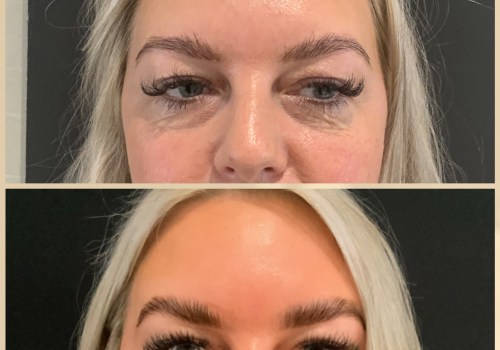
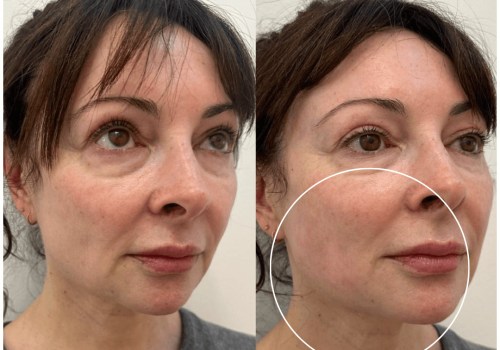
Polynucleotide treatments have emerged as a revolutionary approach in the realm of aesthetic medicine, offering a unique solution for skin rejuvenation. But what exactly are polynucleotides? These naturally occurring molecules play a crucial role in cellular processes, particularly in the repair and regeneration of tissues. When used in cosmetic procedures, polynucleotides are injected into the skin to stimulate the body’s natural healing mechanisms, promoting collagen and elastin production. This not only enhances skin texture but also improves elasticity, making it a sought-after treatment for those looking to combat the signs of aging.The benefits of polynucleotide treatment extend beyond mere aesthetics.
Patients often report a noticeable improvement in skin hydration and overall vitality shortly after the procedure. This is largely due to the ability of polynucleotides to attract water molecules, providing an instant boost of moisture to the skin. Additionally, their anti-inflammatory properties can help reduce redness and swelling, making them an excellent option for individuals with sensitive or reactive skin types.Moreover, polynucleotide treatments are versatile and can be applied to various areas of the body, including the face, neck, and hands. They are particularly effective in addressing concerns such as fine lines, wrinkles, and even stretch marks.
As more individuals seek non-invasive methods to enhance their appearance, understanding the profound impact of polynucleotides on skin health becomes increasingly important.As we delve deeper into this topic, it is essential to consider not only the advantages of polynucleotide treatments but also the necessary post-treatment care to ensure optimal results. Proper aftercare can significantly influence the effectiveness of the treatment and contribute to a smoother recovery process.
Immediate Post-Treatment Care: The First 24 Hours
After undergoing polynucleotide treatment, the first 24 hours are critical for ensuring optimal results and minimising any potential side effects. During this period, there are several actions you should consciously avoid to promote healing and enhance the effectiveness of the treatment.1.Avoid Makeup Application
It is advisable to refrain from applying any makeup for at least 12 hours post-treatment. This precaution helps prevent irritation and allows your skin to breathe and recover without obstruction.
If makeup is necessary, ensure that all tools, such as brushes and sponges, are thoroughly cleaned to avoid introducing bacteria to the treated area.
2.Steer Clear of Irritants
For the first 24 hours, it is essential to avoid products that contain fragrances, alcohol, or harsh chemicals. These ingredients can irritate the skin and counteract the benefits of polynucleotides. Instead, opt for gentle, hypoallergenic skincare products that support healing.
3.Maintain Hygiene
Proper hygiene is paramount following your treatment. Ensure that you do not touch your face unnecessarily, as this can transfer oils and bacteria from your hands to the injection sites.
If you need to cleanse your face, use a mild cleanser and pat your skin dry with a clean towel.
4.Avoid Extreme Temperatures
Exposure to extreme temperatures can exacerbate swelling and redness in the treated areas. For at least 48 hours after your treatment, steer clear of direct sunlight, saunas, steam rooms, and hot baths. These environments can increase blood flow and lead to discomfort or prolonged healing times.
5.Refrain from Vigorous Exercise
While staying active is important for overall health, it is best to avoid vigorous exercise for at least 48 hours post-treatment. Intense physical activity can increase heart rate and blood pressure, potentially leading to increased swelling or bruising at the injection sites.
6.Limit Alcohol Consumption
Alcohol can dehydrate the skin and may interfere with the healing process.
It is recommended to abstain from alcohol for at least 48 hours after your polynucleotide treatment to ensure that your skin remains hydrated and recovers effectively.By adhering to these guidelines during the immediate post-treatment period, you can significantly enhance your recovery experience and maximise the benefits of polynucleotide therapy.
Avoiding Irritants: Skincare Products and Makeup
After undergoing polynucleotide treatment, it is crucial to be mindful of the skincare products and makeup you use to ensure optimal healing and avoid irritation. The skin may be sensitive post-treatment, and certain ingredients can exacerbate this sensitivity, leading to discomfort or adverse reactions.Skincare Products to Avoid
- Fragrance-Containing Products: Skincare items that include synthetic fragrances can irritate the skin, especially after polynucleotide injections. It is advisable to opt for fragrance-free formulations during the recovery period.
- Exfoliants: Avoid products with exfoliating agents such as alpha hydroxy acids (AHAs), beta hydroxy acids (BHAs), and physical scrubs. These can strip the skin of its natural barrier and lead to increased sensitivity.
- Retinoids: While retinoids are beneficial for skin renewal, they can be too harsh immediately following treatment.
It is best to refrain from using these until your skin has fully healed.
- Alcohol-Based Products: Toners or astringents that contain alcohol can dry out the skin and cause irritation. Look for hydrating toners instead.
Makeup After Polynucleotide Treatment
While it may be tempting to cover up any redness or swelling with makeup, it is essential to exercise caution. Here are some guidelines:
- Wait Before Applying Makeup: It is recommended to avoid makeup for at least 12 hours post-treatment. This allows the skin to breathe and begin its healing process without obstruction.
- Use Clean Tools: If you choose to apply makeup after the initial waiting period, ensure that all brushes and sponges are thoroughly cleaned.
This helps prevent any potential infections at the injection site.
- Avoid Heavy Foundations: Opt for lightweight, non-comedogenic foundations that allow your skin to breathe rather than heavy formulations that may clog pores.
Irritants Post-Treatment
In addition to avoiding specific products, it is wise to steer clear of environmental irritants that could hinder your recovery:
- Sun Exposure: Direct sunlight can aggravate sensitive skin. Use a broad-spectrum sunscreen with a high SPF if you must go outdoors.
- Heat Sources: Stay away from saunas, steam rooms, and hot showers for at least 48 hours post-treatment, as heat can increase inflammation and discomfort.
Temperature Sensitivity: What to Steer Clear Of
After undergoing treatment with polynucleotides, it is crucial to be mindful of your skin's sensitivity to temperature changes. The skin, having just experienced a rejuvenating procedure, requires special care to ensure optimal healing and to avoid any adverse reactions.Extreme Temperatures: A Risk Factor
Both extreme heat and cold can pose significant risks to the recovery process. Exposure to high temperatures, such as those found in saunas or steam baths, can lead to increased swelling and redness at the injection sites.
This is because heat can dilate blood vessels, which may exacerbate inflammation and prolong the healing time.Similarly, exposure to cold temperatures can also be detrimental. Cold weather can cause the skin to tighten and become less pliable, potentially leading to discomfort and hindering the natural healing process. Therefore, it is advisable to avoid environments that expose your skin to extreme cold for at least 48 hours following your treatment.
Sun Exposure: Protecting Your Skin
Sunlight is another factor that should be avoided post-treatment. Direct sun exposure can not only irritate sensitive skin but also increase the risk of pigmentation issues.
It is recommended to stay out of direct sunlight for at least one week after receiving polynucleotide injections. If you must go outside, applying a broad-spectrum sunscreen with a high SPF is essential to protect your skin from harmful UV rays.
Practical Tips for Temperature Management
- Avoid saunas and steam rooms: Refrain from using these facilities for at least 48 hours post-treatment.
- Limit sun exposure: Stay indoors during peak sunlight hours and wear protective clothing when outside.
- Use cool compresses: If you experience swelling or discomfort, applying a cool compress can help soothe the area without exposing it to extreme temperatures.
- Stay hydrated: Keeping your body well-hydrated can help maintain skin elasticity and support the healing process.
Physical Activity: Exercise Restrictions After Treatment
After undergoing polynucleotide treatment, it is crucial to adhere to specific guidelines regarding physical activity to ensure optimal recovery and results. Engaging in vigorous exercise too soon can hinder the healing process and potentially lead to complications.In the immediate aftermath of your treatment, it is advisable to avoid any strenuous activities for at least 48 hours.This includes high-impact exercises such as:
- Running or jogging
- Weightlifting
- High-intensity interval training (HIIT)
- Aerobic classes
- Competitive sports
Suitable alternatives include:
- Walking at a leisurely pace
- Gentle stretching or yoga
- Light swimming (avoiding chlorinated pools for at least a week)
- Meditation or breathing exercises
Alcohol Consumption: Why It’s Best to Avoid It
After undergoing polynucleotide treatment, it is crucial to consider the impact of alcohol consumption on your recovery and overall skin health.While it may be tempting to indulge in a drink, especially if you feel well, abstaining from alcohol for a period post-treatment can significantly enhance your healing process.Alcohol has several effects on the body that can hinder recovery:
- Dehydration: Alcohol is a diuretic, which means it promotes the production of urine and can lead to dehydration. This is particularly detrimental after polynucleotide treatment, as your skin needs adequate hydration to heal properly and maintain its elasticity.
- Inflammation: Consuming alcohol can trigger inflammatory responses in the body. Since polynucleotide treatments aim to reduce inflammation and promote healing, introducing alcohol can counteract these benefits, potentially leading to increased redness and swelling at the injection sites.
- Impaired Immune Function: Alcohol can weaken the immune system, making it harder for your body to fight off infections. Post-treatment, your skin is more vulnerable, and any compromise in your immune response could lead to complications such as infections at the injection sites.
- Interference with Healing: The healing process requires a stable environment for optimal results.
Alcohol can disrupt this environment by affecting blood flow and nutrient delivery to the skin, which are essential for recovery.
Sun Exposure: Protecting Your Skin Post-Treatment
After undergoing treatment with polynucleotides, protecting your skin from sun exposure is crucial for optimal healing and to maintain the results of the procedure.The skin can be particularly sensitive following such treatments, making it more susceptible to damage from harmful UV rays. Here are some essential guidelines to follow:
- Avoid Direct Sunlight: For at least two weeks post-treatment, it is advisable to stay out of direct sunlight, especially during peak hours between 10 a.m. and 4 p.m. If you must be outdoors, seek shade whenever possible.
- Use Broad-Spectrum Sunscreen: Apply a broad-spectrum sunscreen with an SPF of at least 30 or higher.
Ensure that it protects against both UVA and UVB rays. Reapply every two hours, or more frequently if swimming or sweating.
- Wear Protective Clothing: Consider wearing long sleeves, wide-brimmed hats, and sunglasses to shield your skin from the sun. Fabrics with a tight weave offer better protection against UV rays.
- Limit Tanning: Avoid tanning beds and sunbathing for at least two weeks after your treatment. These activities can exacerbate skin sensitivity and lead to complications.
- Monitor Your Skin: Keep an eye on any changes in your skin's appearance.
If you notice increased redness, swelling, or any unusual spots, consult your healthcare provider immediately.
Recognising Complications: Signs of Infection or Adverse Reactions
After undergoing treatment with polynucleotides, it is crucial to monitor your skin for any signs of complications, particularly infections or adverse reactions. Understanding these signs can help you take prompt action and ensure a smooth recovery.Signs of Infection
- Increased Redness: While some redness is normal immediately after treatment, persistent or worsening redness around the injection site may indicate an infection.
- Swelling: Mild swelling can occur post-treatment; however, if the swelling becomes pronounced or spreads beyond the injection area, it could be a sign of infection.
- Warmth: The skin around the injection site may feel warm to the touch.
If this sensation intensifies or is accompanied by other symptoms, it warrants further investigation.
- Pus Formation: The presence of pus or any unusual discharge from the injection site is a clear indicator of infection and requires immediate medical attention.
- Fever: A fever following treatment can signal a systemic response to infection. If you experience a fever above 38°C (100.4°F), seek medical advice promptly.
Adverse Reactions
In addition to infections, some individuals may experience adverse reactions to polynucleotide treatments. These can include:
- Allergic Reactions: Symptoms such as itching, rash, or hives may indicate an allergic response. If these symptoms develop, consult your healthcare provider.
- Severe Pain: While some discomfort is expected, severe or escalating pain at the injection site should not be ignored.
- Prolonged Bruising: Bruising that lasts longer than a week or worsens over time may require evaluation.
When to Seek Help
If you notice any of the above symptoms, it is essential to contact your healthcare professional without delay.
Early intervention can prevent complications from worsening and ensure that your recovery remains on track. Additionally, if you have any concerns about your treatment or recovery process, do not hesitate to reach out for guidance. Your health and safety should always be your top priority following polynucleotide treatment.
Long-Term Care: Maintaining Results After Polynucleotide Treatment
After undergoing polynucleotide treatment, maintaining the results and promoting overall skin health is essential. The benefits of polynucleotides, such as improved skin texture, elasticity, and hydration, can be prolonged with a dedicated skincare routine and lifestyle choices.1.Establish a Consistent Skincare Routine
- Cleansing: Use a gentle cleanser to remove impurities without stripping the skin of its natural oils.
Avoid harsh scrubs or exfoliants for at least two weeks post-treatment.
- Moisturising: Hydration is key. Opt for a moisturiser that contains hyaluronic acid or other hydrating ingredients to lock in moisture and support the skin's barrier function.
- Sun Protection: Sunscreen is non-negotiable. Apply a broad-spectrum SPF 30 or higher daily, even on cloudy days, to protect against UV damage that can accelerate skin aging.
2.Incorporate Active Ingredients
Consider integrating products with active ingredients that complement the effects of polynucleotides:
- Retinoids: These can help stimulate collagen production and improve skin texture over time. Start with a low concentration to gauge your skin's tolerance.
- Antioxidants: Vitamin C serums can brighten the complexion and protect against environmental stressors, enhancing the rejuvenating effects of polynucleotides.
3.Maintain a Healthy Lifestyle
Your overall health significantly impacts your skin's appearance.
Here are some lifestyle tips:
- Stay Hydrated: Drink plenty of water throughout the day to keep your skin hydrated from within.
- A Balanced Diet: Incorporate foods rich in vitamins, minerals, and healthy fats, such as fruits, vegetables, nuts, and fish, to nourish your skin.
- Avoid Smoking and Excessive Alcohol: Both can lead to premature aging and diminish the results of your treatment.
4.Regular Follow-Up Treatments
To maintain optimal results, consider scheduling follow-up treatments as recommended by your practitioner. Regular sessions can help sustain collagen production and keep your skin looking youthful.By adhering to these long-term care practices, you can maximise the benefits of your polynucleotide treatment and enjoy healthier, more radiant skin for years to come.
Frequently Asked Questions About Polynucleotide Treatment Aftercare
After undergoing polynucleotide treatment, patients often have numerous questions regarding the appropriate aftercare to ensure optimal results. Understanding what to avoid can significantly enhance the healing process and the effectiveness of the treatment.What should I avoid immediately after polynucleotide treatment?
- Makeup: It is advisable to refrain from applying any makeup for at least 12 hours post-treatment. This allows the skin to breathe and reduces the risk of irritation or infection at the injection sites.
- Sun Exposure: Direct sunlight can be detrimental to healing skin.
Avoid sunbathing and exposure to UV rays for at least one week following your treatment. If you must go outside, consider wearing a wide-brimmed hat and applying a high-SPF sunscreen.
- Extreme Temperatures: Steer clear of saunas, steam rooms, and hot baths for 48 hours. Similarly, avoid cold environments that could shock the skin.
- Fragranced Products: For a period of 3 to 5 days, it is best to avoid skincare products containing fragrances or harsh chemicals that may irritate sensitive skin.
- Alcohol and Vigorous Exercise: Alcohol can lead to dehydration and may interfere with the healing process. It is recommended to avoid alcohol consumption and intense physical activity for at least 48 hours.
How long should I wait before resuming my normal skincare routine?
It is generally recommended to wait at least one week before reintroducing your full skincare regimen.
This includes exfoliants, retinoids, and any other active ingredients that may irritate the skin during its recovery phase.
What signs should I look out for after treatment?
While some redness and swelling are normal, be vigilant for signs of infection such as increased warmth, excessive swelling, or pus formation at the injection site. If you experience these symptoms, contact your healthcare provider immediately.By adhering to these guidelines and avoiding certain activities post-treatment, you can help ensure that your polynucleotide therapy yields the best possible results, promoting healthier and more rejuvenated skin.
<strong>Conclusion</strong>: Key Takeaways for Post-Polynucleotide Treatment Care
In summary, the aftercare following polynucleotide treatment is crucial for achieving the best possible results and ensuring a smooth recovery. By adhering to specific guidelines, patients can enhance the benefits of the treatment while minimising potential side effects.- Skin Sensitivity: After receiving polynucleotide injections, your skin may be more sensitive than usual. It is essential to avoid products containing fragrances or harsh chemicals for at least three to five days post-treatment.
This precaution helps prevent irritation and allows your skin to heal effectively.
- Makeup Application: While it may be tempting to cover any redness with makeup, it is advisable to wait at least 12 hours before applying any cosmetics. If you choose to wear makeup, ensure that your brushes and sponges are thoroughly cleaned to avoid introducing bacteria to the injection sites.
- Temperature Extremes: For 48 hours following treatment, steer clear of extreme temperatures. This includes direct sunlight, saunas, and steam baths, as these can exacerbate swelling and redness. Protecting your skin from heat will aid in the healing process.
- Avoiding Alcohol and Exercise: It is recommended to refrain from consuming alcohol and engaging in vigorous exercise for at least 48 hours after your treatment.
Both can lead to increased blood flow and swelling, which may hinder recovery.
- Sun Protection: To protect your skin from potential damage, avoid sunbathing or excessive sun exposure for at least two weeks. Using a broad-spectrum sunscreen with a high SPF is essential during this period.
- Rest and Recovery: Allowing your body adequate rest is vital for optimal healing. If you experience swelling, applying cold compresses can provide relief and reduce inflammation.