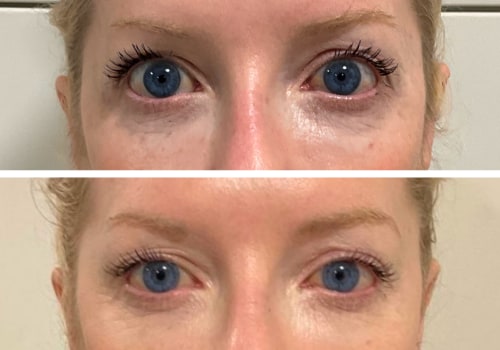
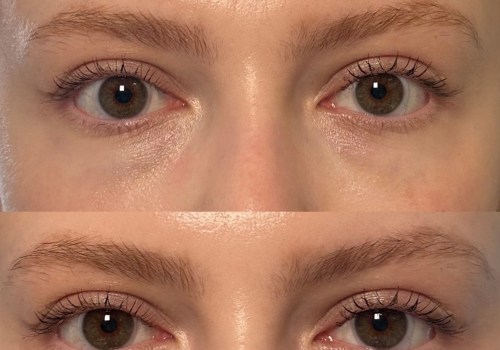
Under eye bags are a common aesthetic concern that many individuals face as they age. These puffiness or swelling beneath the eyes can create an appearance of fatigue, making one look older than they actually are. Understanding the causes of under eye bags is essential for anyone seeking effective treatment options. Factors such as genetics, lifestyle choices, and environmental influences can all contribute to the development of this condition. One of the primary causes of under eye bags is the natural aging process.
As we age, the skin loses its elasticity and firmness due to a decrease in collagen production. This loss can lead to sagging skin and the accumulation of fat deposits beneath the eyes, resulting in a puffy appearance. Additionally, fluid retention caused by factors like lack of sleep, excessive salt intake, or allergies can exacerbate this issue, leading to temporary swelling. Moreover, lifestyle choices play a significant role in the formation of under eye bags. Poor sleep quality, high-stress levels, and inadequate hydration can all contribute to the appearance of tired eyes.
Environmental factors such as sun exposure and pollution can also damage the delicate skin around the eyes, further aggravating the problem. Understanding these causes is crucial for developing a comprehensive approach to treatment. When it comes to treating under eye bags, there are various options available ranging from home remedies to professional treatments. While some may opt for cosmetic procedures like fillers or surgery, others may seek less invasive solutions that promote skin health and rejuvenation. This is where innovative treatments like polynucleotides come into play, offering a promising avenue for those looking to restore their youthful appearance without resorting to more drastic measures.
What Are Polynucleotides?
Polynucleotides are naturally occurring biopolymers composed of nucleotide sequences, which are the building blocks of DNA and RNA.These molecules play a crucial role in various biological processes, including cellular repair and regeneration. In the context of skin rejuvenation, polynucleotides are derived from the DNA of fish, specifically salmon, and are used in aesthetic treatments to enhance skin quality and promote healing.The primary function of polynucleotides in skincare is to stimulate the body’s natural regenerative processes. When injected into the skin, they signal fibroblasts—cells responsible for collagen production—to increase their activity. This leads to enhanced collagen synthesis, which is vital for maintaining skin elasticity and firmness.
As we age, collagen levels naturally decline, resulting in sagging skin and the formation of fine lines and wrinkles. By introducing polynucleotides into the treatment regimen, individuals can effectively combat these signs of aging.One of the significant benefits of polynucleotides is their ability to improve skin hydration. They attract and retain moisture within the skin, leading to a plumper and more youthful appearance. This hydrating effect is particularly beneficial for delicate areas such as under the eyes, where skin tends to be thinner and more prone to dryness.Moreover, polynucleotides possess anti-inflammatory properties that can help reduce redness and swelling in the treated areas.
This makes them an excellent option for individuals with sensitive skin or those who may experience adverse reactions to traditional dermal fillers.In summary, polynucleotides are a powerful tool in the realm of aesthetic medicine. Their ability to stimulate collagen production, enhance hydration, and promote overall skin health makes them an attractive option for those seeking to rejuvenate their appearance without invasive procedures. Understanding what polynucleotides are and how they function is essential for anyone considering treatments aimed at reducing under-eye bags or improving skin quality.
How Polynucleotides Work on Skin
Polynucleotides, particularly in the form of polynucleotide-derived nucleotides (PDRN), have garnered attention in the field of aesthetic medicine due to their remarkable ability to rejuvenate the skin. Understanding how these compounds work at a biological level is crucial for appreciating their effectiveness in treating various skin concerns, especially under-eye bags.At the core of their function, polynucleotides play a pivotal role in collagen production.Collagen is a vital protein that provides structure and elasticity to the skin. As we age, collagen production naturally declines, leading to sagging skin and the formation of fine lines and wrinkles. Polynucleotides stimulate fibroblasts—cells responsible for collagen synthesis—thereby enhancing the skin's structural integrity. This stimulation not only promotes new collagen formation but also aids in the repair of damaged tissues, resulting in a more youthful appearance.Moreover, polynucleotides are known for their ability to improve skin hydration.
They enhance the skin's moisture retention capabilities by increasing the levels of hyaluronic acid, a substance that naturally occurs in our skin and is essential for maintaining hydration. By boosting hyaluronic acid levels, polynucleotides help to plump the skin, making it look more vibrant and reducing the appearance of under-eye bags.The mechanism through which polynucleotides exert their effects involves several biological processes:
- Cell Signalling: Polynucleotides send signals to various cells within the skin, prompting them to engage in regenerative activities. This includes stimulating cell proliferation and migration, which are essential for tissue repair.
- Anti-inflammatory Properties: In addition to promoting collagen production, polynucleotides possess anti-inflammatory properties that can help reduce puffiness and swelling around the eyes. This is particularly beneficial for individuals who experience inflammation as a contributing factor to under-eye bags.
- Extracellular Matrix Support: Polynucleotides contribute to the maintenance and repair of the extracellular matrix (ECM), which provides structural support to tissues.
A healthy ECM is crucial for overall skin health and resilience.
Benefits of Polynucleotide Treatments for Under Eye Bags
Polynucleotide treatments have emerged as a revolutionary option for addressing under-eye bags, offering a multitude of benefits that go beyond traditional methods. These treatments harness the power of polynucleotides, which are fragments of DNA that play a crucial role in cellular regeneration and skin health.One of the primary advantages of polynucleotide treatments is their ability to reduce fine lines and wrinkles around the delicate eye area.As we age, the skin loses its natural elasticity and moisture, leading to the formation of these visible signs of aging. Polynucleotides stimulate collagen production, which is essential for maintaining skin structure and firmness. This increased collagen synthesis helps to smooth out fine lines, resulting in a more youthful appearance.In addition to reducing fine lines, polynucleotides significantly improve skin elasticity. The under-eye area is particularly susceptible to sagging and laxity due to its thin skin.
By promoting fibroblast activity, polynucleotides enhance the skin's ability to stretch and recover, thereby restoring a firmer and more toned look. This rejuvenation process not only tightens the skin but also contributes to a more vibrant and refreshed appearance.Another notable benefit of polynucleotide treatments is their capacity to enhance overall skin quality. These treatments deeply hydrate the skin, addressing issues such as dryness and dullness that often accompany aging. The hydration provided by polynucleotides helps to create a plump and radiant complexion, making the under-eye area look healthier and more luminous.Moreover, polynucleotides possess anti-inflammatory properties that can help reduce puffiness and swelling associated with under-eye bags.
By improving circulation and lymphatic drainage in the area, these treatments can alleviate the appearance of dark circles and bags, contributing to a more rested look.In summary, polynucleotide treatments offer a comprehensive approach to under-eye rejuvenation. With their ability to reduce fine lines, improve skin elasticity, enhance hydration, and diminish puffiness, they represent a promising solution for those seeking to refresh their appearance without resorting to invasive procedures. As research continues to unveil the full potential of polynucleotides in aesthetic medicine, they are likely to become an increasingly popular choice for individuals looking to combat the signs of aging around the eyes.
Comparing Polynucleotides with Traditional Treatments
When considering treatments for under-eye bags, it is essential to evaluate the options available, particularly polynucleotides and traditional methods such as dermal fillers and surgical interventions. Each approach has its unique benefits and drawbacks, making it crucial for individuals to understand these differences before making a decision.Polynucleotides vs Dermal Fillers
- Mechanism of Action: Polynucleotides work by stimulating the body’s natural healing processes, promoting collagen production and enhancing skin elasticity.
In contrast, dermal fillers primarily add volume to the area, temporarily filling in hollows and smoothing out wrinkles.
- Results: The results from polynucleotide treatments tend to be more gradual but can lead to long-lasting improvements in skin quality. Dermal fillers provide immediate results but may require more frequent touch-ups as they are gradually absorbed by the body.
- Side Effects: While both treatments can cause swelling or bruising, polynucleotides are often better tolerated by individuals with sensitive skin or those prone to swelling from traditional fillers. This makes polynucleotides a safer option for many patients.
- Longevity: The effects of polynucleotide treatments can last longer than those of dermal fillers due to their regenerative properties, which continue to improve skin quality over time.
Traditional Treatments for Under Eye Bags
- Surgery: Surgical options like blepharoplasty can provide dramatic results by removing excess skin and fat. However, they come with longer recovery times and potential complications.
Surgery is typically recommended for more severe cases of under-eye bags.
- Non-Surgical Options: Other non-surgical treatments include laser therapy and radiofrequency treatments, which aim to tighten the skin and improve texture. These methods can be effective but may not address volume loss as comprehensively as polynucleotides or fillers.
Conclusion
In summary, while traditional treatments like dermal fillers and surgery have their place in aesthetic medicine, polynucleotides offer a unique approach that focuses on skin rejuvenation at a cellular level. For those seeking a more natural solution with fewer risks and longer-lasting results, polynucleotide treatments may be the ideal choice for addressing under-eye bags.
Who Can Benefit from Polynucleotide Treatments?
Polynucleotide treatments have emerged as a promising option for individuals seeking to rejuvenate the delicate under-eye area. However, understanding who can benefit from these treatments is crucial for achieving optimal results.Below, we explore the ideal candidates for polynucleotide therapy, as well as any contraindications that potential patients should be aware of.
Ideal Candidates for Polynucleotide Treatments
Polynucleotide injections are particularly suitable for:- Individuals with Fine Lines and Wrinkles: Those experiencing early signs of aging, such as fine lines and wrinkles around the eyes, can benefit significantly from polynucleotide treatments. The regenerative properties of polynucleotides help stimulate collagen production, leading to smoother skin.
- People with Dark Circles: If you struggle with dark circles that make you appear tired or aged, polynucleotides can enhance skin quality and improve pigmentation, resulting in a brighter under-eye area.
- Patients with Thinning Skin: As skin loses elasticity with age, it may become thinner and more prone to sagging. Polynucleotides can restore hydration and elasticity, making them an excellent choice for those with delicate skin under the eyes.
- Individuals Seeking Natural Results: For those who prefer a more natural approach to aesthetic treatments, polynucleotides offer a solution that promotes the body’s own healing processes rather than simply filling in volume.
Contraindications
While many can benefit from polynucleotide treatments, certain individuals should exercise caution or avoid this therapy altogether:- Pregnant or Nursing Women: Due to the lack of extensive research on the effects of polynucleotides during pregnancy and lactation, it is advisable for women in these conditions to refrain from undergoing treatment.
- Individuals with Active Infections: Those suffering from any form of active skin infection or inflammation in the treatment area should postpone their procedure until they have fully recovered.
- Patients with Allergies: Individuals who have known allergies to components found in polynucleotide formulations should consult their healthcare provider before considering treatment.
- Those on Blood Thinners: Patients taking anticoagulant medications may experience increased bruising or bleeding during and after the procedure. A thorough discussion with a medical professional is essential in such cases.
Consulting with a qualified practitioner will ensure that you receive personalised advice tailored to your specific needs and health conditions.
What to Expect During a Polynucleotide Treatment Session
Undergoing a polynucleotide treatment for under-eye bags can be an effective way to rejuvenate the delicate skin around your eyes. Understanding what to expect during your treatment session can help ease any apprehensions you may have.Preparation for the Treatment
- Before your appointment, it is advisable to avoid blood-thinning medications, such as aspirin or ibuprofen, for at least 48 hours. This helps minimise the risk of bruising.
- Ensure you arrive with a clean face, free from makeup or skincare products, to facilitate a smooth procedure.
- Your practitioner will conduct a thorough consultation to discuss your medical history, assess your skin condition, and outline your treatment goals.
The Treatment Procedure
The actual treatment process typically lasts around 30 minutes and involves several key steps:
- Application of Numbing Cream: To enhance comfort during the procedure, a topical anaesthetic cream is applied to the under-eye area. This allows for a more pleasant experience as the injections are administered.
- Injection of Polynucleotides: Using a fine needle, the practitioner will inject polynucleotides into specific areas beneath the eyes.
The injections are strategically placed to target fine lines, wrinkles, and areas of volume loss.
- Massage and Assessment: After the injections, gentle massage may be performed to ensure even distribution of the product. Your practitioner will assess the treated area to confirm that the desired results are being achieved.
Post-Treatment Care
After your session, it is essential to follow some aftercare guidelines to optimise results:
- Avoid strenuous exercise and excessive sun exposure for at least 24 hours post-treatment.
- Keep the treated area clean and refrain from applying makeup for at least 12 hours.
- If you experience any swelling or bruising, apply a cold compress gently to alleviate discomfort.
- Your practitioner may recommend specific skincare products or routines to enhance recovery and results.
Potential Side Effects and Risks of Polynucleotide Treatments
While polynucleotide treatments offer numerous benefits for rejuvenating the under-eye area, it is essential to consider potential side effects and risks associated with these procedures. Understanding these factors is crucial for informed consent and ensuring patient safety.Common Side Effects
- Swelling: Post-treatment swelling is a common reaction, particularly in the delicate under-eye region. This swelling typically subsides within a few days but can be more pronounced in individuals with sensitive skin.
- Bruising: As with any injectable treatment, bruising may occur at the injection site.
This is usually minor and resolves on its own within a week.
- Redness: Temporary redness around the injection area is also common and generally fades quickly.
- Pain or Discomfort: Some patients may experience mild pain or discomfort during and after the procedure. This can usually be managed with over-the-counter pain relief.
Less Common Risks
- Allergic Reactions: Although rare, some individuals may have an allergic reaction to the components of the polynucleotide solution. Symptoms can include itching, rash, or swelling beyond the expected post-treatment effects.
- Infection: Any injection carries a risk of infection. It is vital to ensure that the procedure is performed in a sterile environment by a qualified professional to minimise this risk.
- Nodules or Lumps: In some cases, patients may develop small nodules or lumps at the injection site.
These are usually temporary but can be concerning for some individuals.
Safety Considerations
The safety of polynucleotide treatments largely depends on the skill and experience of the practitioner administering them. It is crucial to choose a qualified professional who understands facial anatomy and has experience with polynucleotide injections. During your consultation, discuss any medical conditions, allergies, or medications you are taking to ensure that polynucleotide treatment is appropriate for you.In summary, while polynucleotides present an innovative approach to treating under-eye bags and rejuvenating skin, being aware of potential side effects and risks is essential for making an informed decision about your treatment options.
Frequently Asked Questions about Polynucleotides and Under Eye Bags
As interest in aesthetic treatments grows, many individuals have questions about the use of polynucleotides for addressing under-eye bags. Below are some frequently asked questions that can help clarify the benefits and considerations of this innovative treatment.What are polynucleotides?
Polynucleotides are fragments of DNA, often derived from fish, that are used in aesthetic medicine to promote skin rejuvenation.They work by stimulating the body’s natural healing processes, enhancing collagen production, and improving skin hydration and elasticity.
How do polynucleotides help with under-eye bags?
Polynucleotide treatments target the delicate skin under the eyes by increasing moisture levels and promoting cellular regeneration. This results in a reduction of fine lines, improved skin texture, and a more youthful appearance. By enhancing collagen synthesis, polynucleotides can effectively combat the signs of aging in the periorbital area.Are there any side effects associated with polynucleotide treatments?
While polynucleotide injections are generally considered safe, some individuals may experience mild side effects such as swelling, redness, or bruising at the injection site. These effects typically resolve within a few days.It is essential to consult with a qualified practitioner to discuss any potential risks.
How long do the results last?
The results from polynucleotide treatments can vary depending on individual factors such as skin type and age. However, many patients report noticeable improvements lasting several months. Regular maintenance treatments may be recommended to sustain optimal results.Who is an ideal candidate for polynucleotide treatment?
Individuals with thin skin under their eyes or those who are prone to swelling from traditional fillers may find polynucleotide treatments particularly beneficial. It is advisable to consult with a healthcare professional to determine if this treatment aligns with your specific needs and goals.Can polynucleotides be combined with other treatments?
Yes, polynucleotide treatments can be effectively combined with other aesthetic procedures such as dermal fillers or laser therapy for enhanced results.A tailored treatment plan can be developed during your consultation to address your unique concerns.In summary, polynucleotides offer a promising solution for those seeking to rejuvenate the under-eye area. By addressing common concerns through informed questions, individuals can make educated decisions about their aesthetic treatments.
Conclusion: Are Polynucleotides the Solution for Under Eye Bags?
In conclusion, the use of polynucleotides for treating under-eye bags presents a promising alternative to traditional methods. As we have explored throughout this article, polynucleotides offer a multifaceted approach to rejuvenating the delicate skin around the eyes, addressing not only the visible signs of aging but also enhancing the skin's overall health.One of the standout benefits of polynucleotide treatments is their ability to stimulate collagen production. This is crucial for restoring skin elasticity and firmness, which are often compromised as we age.By promoting natural regenerative processes, polynucleotides help to improve skin texture and reduce the appearance of fine lines and wrinkles, leading to a more youthful and vibrant look.Moreover, polynucleotides are particularly advantageous for individuals with sensitive skin or those who have experienced adverse reactions to conventional dermal fillers. Their biocompatibility and regenerative properties make them an ideal choice for enhancing the under-eye area without the risk of significant swelling or complications.Additionally, the hydration benefits provided by polynucleotides cannot be overlooked. The treatment not only increases moisture levels in the skin but also enhances circulation, resulting in a brighter and more radiant appearance. This is especially beneficial for those struggling with dark circles or tired-looking eyes.As we consider the future of aesthetic treatments, it is clear that polynucleotides are gaining traction as a leading option for under-eye rejuvenation.
Their ability to deliver natural-looking results while addressing multiple concerns—such as volume loss, fine lines, and skin laxity—positions them as a comprehensive solution for those seeking to combat under-eye bags.Ultimately, if you are looking for a treatment that not only addresses immediate cosmetic concerns but also promotes long-term skin health, polynucleotides may indeed be the answer. Consulting with a qualified practitioner can help determine if this innovative treatment aligns with your aesthetic goals and needs.