Polynucleotides are naturally occurring biopolymers that play a crucial role in various biological processes. Composed of long chains of nucleotides, these molecules are fundamental to the structure and function of DNA and RNA, which are essential for genetic information storage and transfer. In recent years, the application of polynucleotides has expanded beyond their biological significance, finding a prominent place in medical and aesthetic treatments. Their unique properties make them particularly effective in promoting tissue regeneration and healing, making them a valuable tool in both dermatology and cosmetic procedures.The benefits of polynucleotides in aesthetic treatments are manifold.
They are known to enhance skin hydration, improve elasticity, and stimulate collagen production, which can lead to a more youthful appearance. Additionally, polynucleotides possess anti-inflammatory properties that can help reduce redness and irritation, making them suitable for various skin types. As a result, many individuals seeking to rejuvenate their skin or address specific concerns such as fine lines and wrinkles are turning to polynucleotide treatments as a viable option.When considering polynucleotide treatment, it is essential to understand the recommended frequency for optimal results. Typically, a series of treatments is advised to achieve the best outcomes.
The initial course often consists of two to three sessions spaced several weeks apart, allowing the body ample time to respond to the therapy at a cellular level. Following this initial phase, maintenance treatments can be scheduled periodically to sustain the benefits gained from the initial sessions. This structured approach not only maximises the effectiveness of the treatment but also ensures that individuals can enjoy long-lasting results.
What Are Polynucleotides?
Polynucleotides are essential biological macromolecules composed of long chains of nucleotide units. Each nucleotide consists of a sugar, a phosphate group, and a nitrogenous base.These molecules play a pivotal role in various biological processes, including the storage and transmission of genetic information. Understanding polynucleotides is crucial for appreciating their therapeutic applications, particularly in regenerative medicine and aesthetic treatments.
Types of Polynucleotides
- DNA (Deoxyribonucleic Acid): This type of polynucleotide is responsible for storing genetic information in living organisms. DNA is structured as a double helix, with two strands running in opposite directions, held together by complementary base pairing.
- RNA (Ribonucleic Acid): RNA plays several roles in the cell, including acting as a messenger between DNA and ribosomes for protein synthesis. Unlike DNA, RNA is typically single-stranded and contains ribose sugar instead of deoxyribose.
- Oligonucleotides: These are short sequences of nucleotides that can be synthesized for various applications, including research and therapeutic uses.
They can be designed to bind to specific DNA or RNA sequences, making them valuable tools in molecular biology.
How Polynucleotides Work
The functionality of polynucleotides is primarily linked to their ability to encode information. In the case of DNA, the sequence of bases determines the genetic instructions for building proteins, which are crucial for cellular structure and function. RNA serves as a template for protein synthesis, translating the genetic code into functional molecules.In therapeutic contexts, polynucleotides can stimulate cellular repair and regeneration. For instance, when injected into specific areas of the body, they can promote tissue healing by enhancing cellular activity and encouraging the production of collagen and elastin.
This mechanism is particularly beneficial in aesthetic treatments where skin rejuvenation is desired.Overall, polynucleotides are not only fundamental to life but also hold significant potential in medical applications, making their understanding vital for both practitioners and patients alike.
Benefits of Polynucleotide Treatments
Polynucleotide treatments have gained significant attention in the realm of aesthetic medicine, primarily due to their remarkable benefits for skin rejuvenation and healing. These treatments harness the power of polynucleotides, which are naturally occurring molecules that play a crucial role in cellular repair and regeneration.One of the most notable benefits of polynucleotide injections is their ability to enhance skin hydration. By promoting the synthesis of hyaluronic acid, polynucleotides help to retain moisture within the skin, resulting in a plumper and more youthful appearance. This increased hydration not only improves the skin's texture but also diminishes the visibility of fine lines and wrinkles.Additionally, polynucleotide therapy is renowned for its healing properties.The injections stimulate the body’s natural healing processes, encouraging tissue repair and regeneration. This makes them particularly effective for individuals recovering from skin damage due to environmental factors or previous cosmetic procedures. The regenerative effects can lead to improved skin tone and texture, making it an excellent option for those seeking to restore their skin's vitality.Another advantage of polynucleotide treatments is their versatility. They can be used on various areas of the face and neck, allowing for targeted rejuvenation where it is needed most.
Whether addressing sagging skin, uneven pigmentation, or overall dullness, polynucleotides can be tailored to meet individual aesthetic goals.Moreover, patients often report a noticeable improvement in skin elasticity following treatment. This is particularly beneficial for those experiencing signs of ageing, as enhanced elasticity contributes to a firmer and more resilient complexion.In summary, the advantages of polynucleotide therapy extend beyond mere cosmetic enhancements. With their ability to hydrate, heal, and rejuvenate the skin, these treatments offer a comprehensive approach to achieving a more youthful appearance. As with any aesthetic procedure, it is essential to consult with a qualified practitioner to determine the best treatment plan tailored to your specific needs.
How Often Should You Do Polynucleotide Treatments?
Determining the optimal frequency for polynucleotide treatments is crucial for achieving the best possible results.The treatment schedule can vary based on individual needs, skin conditions, and desired outcomes. However, there are general guidelines that can help you understand how often you should undergo these injections.Typically, a course of polynucleotide treatments consists of two to three sessions. These sessions are usually spaced out over a period of two to four weeks. This interval allows the body to respond to the treatment and for the effects to become noticeable.
It is important to note that while some improvements may be observed as early as two weeks post-treatment, the full benefits often take longer to manifest, with optimal results typically visible around three months after the initial session.For those considering polynucleotide injections, it is advisable to consult with a qualified practitioner who can tailor the treatment plan to your specific needs. Factors such as age, skin type, and overall health can influence how frequently you should receive these treatments.After completing the initial treatment cycle, maintenance sessions are recommended to sustain the results. These maintenance treatments are generally suggested every 6 to 9 months. This approach helps in prolonging the effects of the initial treatments and ensures that your skin remains rejuvenated and healthy.In summary, for optimal results with polynucleotide treatments:
- Initial Treatment Cycle: 2 to 3 sessions
- Interval Between Sessions: 2 to 4 weeks
- Maintenance Treatments: Every 6 to 9 months after the initial cycle
Always ensure that you follow your practitioner’s advice for the best outcomes.
Initial Treatment Cycle: What to Expect
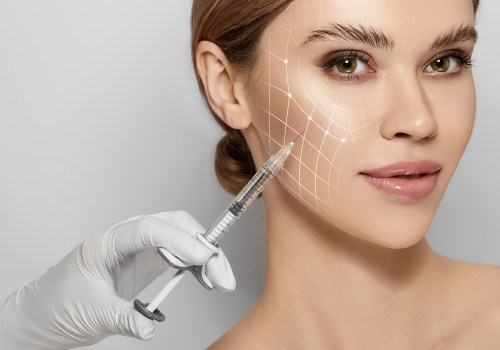
When embarking on your journey with polynucleotide treatments, understanding the initial treatment cycle is crucial for setting realistic expectations. Typically, this cycle consists of two to three sessions, spaced approximately two to four weeks apart. This schedule allows the body to respond effectively to the treatment and maximises the benefits.During your first appointment, a local anaesthetic cream will be applied to the targeted area, ensuring that the procedure is as comfortable as possible. The polynucleotide solution is then injected into specific regions of the face or neck, depending on your individual needs and desired outcomes.What to Expect After Your First Treatment
After your initial injection, it is common to experience some mild swelling or redness at the injection site.
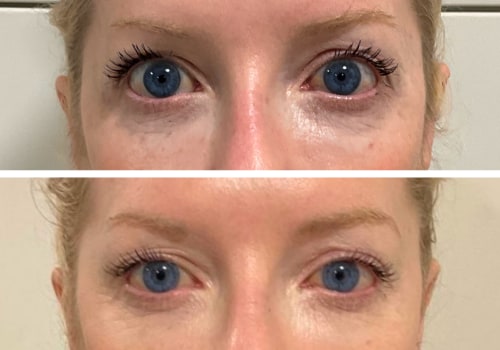
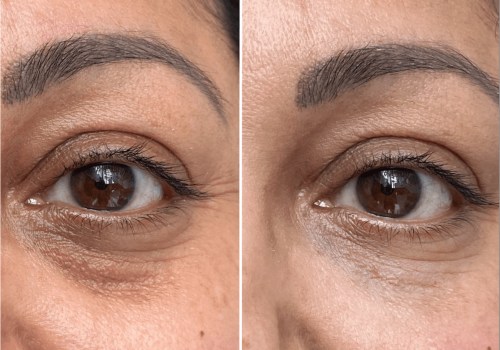
These effects are typically temporary and should subside within a few days. While some patients may notice slight improvements in skin texture and hydration shortly after their first session, significant results usually take longer to manifest.The cellular action of polynucleotides operates at a deeper level, stimulating collagen production and enhancing tissue regeneration. As a result, many individuals begin to see noticeable changes around the two to three-week mark following their first treatment. However, it is essential to remember that the full effects of polynucleotide therapy often become apparent after three months.
Timeline for Visible Results
- Week 1-2: Initial swelling and redness may occur; minor improvements in skin hydration might be visible.
- Week 3: Many patients report enhanced skin texture and elasticity as collagen production begins to ramp up.
- Month 3: The most significant results are typically observed at this stage, with improved skin tone and reduced signs of ageing.
This ongoing care helps sustain the rejuvenating effects of polynucleotides and ensures that your skin continues to look its best.In summary, while the initial treatment cycle may require patience before seeing full results, understanding what to expect can help you navigate this transformative process with confidence.
Maintenance Treatments: Keeping Results Long-Lasting
After completing the initial treatment cycle of polynucleotides, which typically consists of two to three sessions spaced two to four weeks apart, it is crucial to consider maintenance treatments to ensure the longevity of the results. These maintenance sessions play a vital role in preserving the benefits achieved during the initial phase and can significantly enhance the overall effectiveness of the treatment.Generally, it is recommended to schedule maintenance injections every 6 to 9 months. This timeframe allows your skin to continue benefiting from the regenerative properties of polynucleotides while preventing any potential regression of results. The exact timing may vary based on individual skin conditions, age, and lifestyle factors, so it is essential to consult with your practitioner for a tailored approach.During maintenance treatments, a single syringe of polynucleotides is often sufficient to refresh and rejuvenate the treated areas.These sessions are less intensive than the initial treatments and can be performed quickly, usually within a short appointment. The use of local anaesthetic cream prior to injection remains standard practice to ensure comfort during the procedure.It is important to note that while some individuals may notice immediate improvements after their first treatment, the full effects of polynucleotide therapy typically manifest over time. Therefore, adhering to a consistent maintenance schedule is essential for sustaining these long-term results.In summary, maintenance treatments are integral to maximising the benefits of polynucleotide therapy. By committing to regular follow-up sessions every 6 to 9 months, you can maintain your skin's vitality and appearance, ensuring that the positive changes achieved during your initial treatment cycle endure over time.
Factors Influencing Treatment Frequency
When considering how often to undergo polynucleotide treatments, several factors come into play that can significantly influence the frequency and effectiveness of the therapy.Understanding these factors is essential for tailoring a treatment plan that meets individual needs and aesthetic goals.
1.Skin Type and Condition
- Oily Skin: Individuals with oily skin may experience different results compared to those with dry or combination skin. Oily skin can sometimes require more frequent treatments to achieve the desired outcome.
- Age: As we age, our skin's ability to regenerate diminishes. Older patients may benefit from more frequent sessions to stimulate collagen production and improve skin elasticity.
- Specific Skin Concerns: Conditions such as acne scars, pigmentation issues, or fine lines may necessitate a more tailored approach, potentially leading to increased treatment frequency.
2.Individual Response to Treatment
Each person's body reacts differently to polynucleotide therapy. Some may notice improvements sooner than others, while some might require additional sessions to achieve optimal results.
Factors influencing this variability include:
- Metabolism: A faster metabolism may lead to quicker absorption and effectiveness of the treatment, while a slower metabolism might require adjustments in the treatment schedule.
- Genetics: Genetic predispositions can affect skin healing and regeneration rates, influencing how often one should receive treatments.
3.Personalisation in Treatment Planning
The key to successful polynucleotide therapy lies in its personalisation. A thorough consultation with a qualified practitioner is crucial for developing a customised treatment plan that considers:
- Your unique skin type and concerns.
- Your aesthetic goals and expectations.
- The initial response to the first few treatments, which can guide future sessions.
Potential Side Effects and Considerations
Polynucleotide injections have gained popularity in aesthetic and therapeutic applications due to their regenerative properties. However, like any medical treatment, they come with potential side effects and risks that patients should be aware of before proceeding.Common Side Effects
- Swelling: It is common to experience some degree of swelling at the injection site. This usually subsides within a few days but can vary depending on individual sensitivity.
- Bruising: Bruising may occur as a result of the needle insertion.
This is typically minor and resolves quickly.
- Pain or Discomfort: Some patients report mild pain or discomfort during and after the procedure. This can often be managed with over-the-counter pain relief.
- Redness: Temporary redness around the injection site is also a frequent occurrence, which generally fades within a few hours.
Less Common Risks
- Infection: As with any injection, there is a risk of infection. Ensuring that the procedure is performed in a sterile environment by a qualified professional can mitigate this risk.
- Allergic Reactions: Although rare, some individuals may experience allergic reactions to the components of the polynucleotide solution. Symptoms can include itching, rash, or swelling beyond the injection site.
- Nodules or Lumps: In some cases, patients may develop small nodules or lumps at the injection site.
These are usually harmless but can be aesthetically concerning.
Safety Considerations
Before undergoing polynucleotide therapy, it is crucial to consult with a qualified healthcare provider who can assess your individual health status and discuss any pre-existing conditions that may affect your treatment. Factors such as pregnancy, autoimmune disorders, or skin infections should be disclosed during your consultation.Additionally, understanding the safety profile of polynucleotide treatments involves recognising that while many patients experience positive outcomes, results can vary significantly from person to person. Therefore, it is essential to have realistic expectations and to follow post-treatment care instructions provided by your practitioner.In summary, while polynucleotide injections offer promising benefits for skin rejuvenation and healing, being informed about potential side effects and risks is vital for ensuring patient safety and satisfaction with the treatment process.
FAQs About Polynucleotide Treatments
Polynucleotide treatments have gained popularity for their regenerative properties, but many potential patients have questions regarding the frequency and overall process. Here, we address some of the most common queries related to polynucleotide therapy.How often should I undergo polynucleotide treatments?
For optimal results, it is generally recommended to complete a series of two to three treatments, spaced approximately two to four weeks apart.This interval allows your body to respond effectively to the therapy, promoting cellular regeneration and healing. After this initial course, many practitioners suggest maintenance sessions every six to nine months to sustain the benefits.
What can I expect during the treatment process?
Before the injections, a local anaesthetic cream is typically applied to minimise discomfort. The polynucleotides are then injected into targeted areas, such as the face or neck. While some patients may notice improvements within a few weeks, it is important to understand that the full effects often take up to three months to manifest as the treatment works at a cellular level.Are there any side effects associated with polynucleotide therapy?
As with any medical treatment, there can be side effects.Commonly reported issues include mild swelling, redness, or bruising at the injection site. These symptoms usually resolve within a few days. It is crucial to discuss any concerns with your healthcare provider prior to starting treatment.
Can I combine polynucleotide treatments with other procedures?
Yes, many patients choose to combine polynucleotide therapy with other aesthetic treatments such as dermal fillers or Botox. However, it is essential to consult with your practitioner about the timing and suitability of combining these therapies for your specific needs.Is there a specific age group that benefits most from polynucleotide treatments?
Polynucleotide therapy can be beneficial for a wide range of age groups.However, individuals in their 30s and 40s , who are beginning to notice signs of ageing, often see significant improvements. That said, younger patients seeking preventive measures and older individuals looking for rejuvenation can also benefit from this treatment.If you have further questions or concerns about polynucleotide treatments, it is advisable to consult with a qualified practitioner who can provide personalised advice based on your unique circumstances.
Conclusion: Optimising Your Polynucleotide Treatment Plan
In conclusion, understanding the optimal frequency of polynucleotide treatments is crucial for achieving the best possible results. As highlighted throughout this article, the effectiveness of these treatments is not immediate; rather, it unfolds gradually as the polynucleotides work at a cellular level to rejuvenate and repair tissues. Therefore, a well-structured treatment plan is essential.Typically, a series of two to three sessions is recommended, spaced approximately two to four weeks apart.This interval allows the body to respond adequately to the treatment and maximises the benefits. It is important to note that while some individuals may begin to see improvements within a few weeks, the full effects often become apparent after three months. This delayed response can be a source of frustration for some, but patience is key in this process.After completing the initial treatment cycle, maintenance sessions are advisable every six to nine months. This ongoing care helps sustain the results achieved during the initial treatments and ensures that your skin continues to benefit from the rejuvenating properties of polynucleotides.Moreover, it is essential to recognise that each individual’s skin condition and response to treatment can vary significantly.
Therefore, personalisation of your treatment plan is vital. Consulting with a qualified practitioner will allow for adjustments based on your unique needs and desired outcomes.In summary, while the general recommendation is to undergo two to three treatments initially followed by maintenance sessions, individual factors must be considered. By tailoring your approach and adhering to a consistent treatment schedule, you can optimise the benefits of polynucleotide therapy and achieve long-lasting results.