Polynucleotides, which are long chains of nucleotides, play a crucial role in various biological processes, including the repair and regeneration of tissues. These naturally occurring molecules are derived from the DNA of organisms such as trout and salmon, making them highly compatible with human tissues. Their unique properties have led to an increasing interest in their application within the medical field, particularly in injectable treatments aimed at enhancing skin health and rejuvenation. However, as with any medical procedure, concerns regarding safety and potential complications arise, especially when discussing the risk of blindness associated with certain injectable treatments.The use of injectable polynucleotides has gained traction due to their regenerative capabilities, which can stimulate cell growth and improve skin elasticity.
This makes them a popular choice for aesthetic procedures aimed at reducing signs of ageing or addressing skin imperfections. Despite their benefits, there is a lingering fear among patients regarding the potential for serious side effects, including blindness. This concern is often rooted in the experiences associated with dermal fillers, where improper injection techniques can lead to vascular occlusions affecting the eyes.Understanding the distinction between polynucleotides and traditional fillers is essential for anyone considering these treatments. While both are used for cosmetic enhancements, polynucleotides are generally regarded as safer alternatives due to their lower risk profile.
They do not carry the same likelihood of causing vascular complications that can lead to blindness when administered correctly by qualified professionals. As we delve deeper into this topic, it is vital to explore not only the benefits of polynucleotides but also the misconceptions surrounding their use and the actual risks involved.
What Are Polynucleotides?
Polynucleotides are essential biomolecules that play a critical role in the genetic makeup of living organisms. They are long chains of nucleotides, which are the basic building blocks of DNA and RNA. Each nucleotide consists of three components: a nitrogenous base, a sugar molecule, and a phosphate group.The sequence of these nucleotides encodes genetic information, making polynucleotides fundamental to biological processes such as replication, transcription, and translation.There are two primary types of polynucleotides: deoxyribonucleic acid (DNA) and ribonucleic acid (RNA).
- DNA : This type of polynucleotide is double-stranded and contains the genetic blueprint for all living organisms. It is composed of four nitrogenous bases: adenine (A), thymine (T), cytosine (C), and guanine (G). The specific sequence of these bases determines the genetic instructions for the development and functioning of an organism.
- RNA : Unlike DNA, RNA is typically single-stranded and plays various roles in protein synthesis and gene regulation. There are several types of RNA, including messenger RNA (mRNA), transfer RNA (tRNA), and ribosomal RNA (rRNA), each serving distinct functions in the process of translating genetic information into proteins.
Natural sources include:
- Animal tissues : Polynucleotides can be extracted from various animal tissues, including fish, which are particularly rich in nucleic acids due to their high metabolic activity.
- Plant materials : Many plants also contain significant amounts of polynucleotides, especially in seeds and leaves, where they contribute to growth and development.
- Microorganisms : Bacteria and yeast are abundant sources of polynucleotides, often used in biotechnological applications due to their rapid growth rates.
The Mechanism of Action of Polynucleotides
Polynucleotides are essential biomolecules that play a pivotal role in cellular processes, particularly in the realms of tissue repair and regeneration. Understanding their mechanism of action is crucial for appreciating their therapeutic benefits in various medical and aesthetic applications.At a cellular level, polynucleotides function primarily by promoting the synthesis of proteins and nucleic acids, which are vital for cell growth and repair.When injected into the skin or tissues, these molecules stimulate fibroblasts—cells responsible for producing collagen and elastin. This stimulation leads to enhanced tissue regeneration, resulting in improved skin elasticity and texture.One of the key mechanisms through which polynucleotides exert their effects is by modulating the inflammatory response. They help to regulate cytokine production, which is crucial in managing inflammation during the healing process. By promoting a balanced inflammatory response, polynucleotides facilitate a more efficient healing environment, allowing damaged tissues to recover more effectively.Moreover, polynucleotides have been shown to enhance angiogenesis—the formation of new blood vessels from existing ones.
This process is vital for supplying nutrients and oxygen to healing tissues, thereby accelerating recovery. The increased blood flow not only aids in tissue repair but also contributes to a more vibrant and youthful appearance of the skin.In addition to their regenerative properties, polynucleotides possess antioxidant effects that help protect cells from oxidative stress. This protection is particularly important in preventing premature aging and maintaining overall skin health.In summary, the mechanism of action of polynucleotides involves:
- Stimulation of fibroblast activity , leading to increased collagen and elastin production.
- Regulation of inflammatory responses , promoting a conducive environment for healing.
- Enhancement of angiogenesis , improving blood supply to damaged tissues.
- Antioxidant properties , protecting cells from oxidative damage.
Polynucleotides in Medical Aesthetics
In recent years, the field of aesthetic medicine has witnessed a significant evolution with the introduction of polynucleotides as a prominent option for injectable treatments. These innovative substances, derived from the DNA of fish such as trout and salmon, are gaining traction due to their remarkable regenerative properties and minimal risk profile.Unlike traditional dermal fillers, which primarily serve to add volume and contour to the face, polynucleotides focus on enhancing the skin's overall health and appearance.They work by stimulating the body’s natural healing processes, promoting collagen production, and improving skin elasticity. This makes them particularly effective for skin rejuvenation, addressing issues such as fine lines, wrinkles, and uneven texture.One of the key advantages of polynucleotide treatments is their ability to provide long-lasting results without the common complications associated with conventional fillers. While dermal fillers can sometimes lead to adverse effects such as lumps, migration, or even vascular occlusion, polynucleotides are designed to integrate seamlessly into the skin tissue. This integration not only reduces the likelihood of complications but also enhances the natural appearance of the skin.Moreover, polynucleotides are less likely to cause allergic reactions due to their biocompatible nature.
Patients often report minimal discomfort during and after treatment, with side effects typically limited to temporary redness or swelling at the injection site. This makes them an appealing option for individuals seeking a more natural approach to aesthetic enhancement.In addition to their use in facial aesthetics, polynucleotides are also being explored for various other applications within aesthetic medicine. For instance, they can be effectively used in treating areas such as the neck and décolletage, where skin laxity is often a concern. Furthermore, emerging research suggests that polynucleotides may play a role in hair restoration treatments, offering hope for those experiencing hair thinning or loss.As with any injectable treatment, it is crucial for patients to consult with qualified healthcare professionals who have extensive knowledge of facial anatomy and injection techniques.
This ensures that the treatment is performed safely and effectively, maximising the benefits while minimising potential risks.In conclusion, polynucleotides represent a promising advancement in aesthetic medicine. Their unique ability to rejuvenate the skin from within sets them apart from traditional dermal fillers, making them an attractive option for those looking to enhance their appearance naturally and safely.
Risks Associated with Injectable Treatments
When considering injectable treatments, particularly those involving polynucleotides, it is crucial to be aware of the potential risks and complications that may arise. While these treatments are generally regarded as safe, understanding the associated risks can help patients make informed decisions.One of the most serious concerns linked to injectable procedures is the risk of blindness. Although this complication is rare, it is essential to acknowledge its existence.Blindness can occur if the injectable material inadvertently enters a blood vessel that supplies the eye, leading to vascular occlusion. This blockage can deprive the retina of oxygen, resulting in severe visual impairment or complete loss of sight.To mitigate this risk, it is vital that injections are performed by qualified and experienced healthcare professionals who possess a thorough understanding of facial anatomy and vascular structures. Proper technique and knowledge can significantly reduce the likelihood of complications.In addition to blindness, other potential complications from polynucleotide injections may include:
- Bruising: This is a common side effect that occurs at the injection site due to minor trauma to blood vessels.
- Swelling: Temporary swelling may occur as part of the body’s natural response to the injection.
- Redness: Some patients may experience redness around the injection area, which typically resolves within a few hours or days.
- Infection: Although rare, there is a risk of infection at the injection site if proper hygiene practices are not followed.
- Tissue necrosis: In extremely rare cases, if an injection causes significant vascular occlusion, it may lead to tissue death in the affected area.
This dialogue ensures that individuals are well-informed and can make choices that align with their health and aesthetic goals.
Understanding Blindness Risks: Myths vs. Facts
When it comes to injectable treatments, particularly those involving polynucleotides, there are numerous myths and misconceptions surrounding the risk of blindness. Understanding these myths versus the facts is crucial for anyone considering such procedures.Myth 1: All injectables can cause blindness.
This is a common misconception. While it is true that certain injectable treatments, especially dermal fillers, have been associated with blindness, the risk is not universal across all injectables.
Polynucleotides, for instance, are designed with a different mechanism of action that significantly reduces this risk. They primarily promote tissue repair and regeneration rather than filling or volumising areas that could inadvertently affect blood vessels supplying the eye.
Myth 2: Blindness from injectables is common.
In reality, cases of blindness resulting from injectable treatments are extremely rare. The majority of adverse effects associated with injectables are minor and temporary, such as swelling or bruising at the injection site. It is essential to note that when performed by qualified professionals who understand facial anatomy, the likelihood of serious complications, including blindness, is minimal.
Fact: Proper technique is key.
The risk of blindness can be greatly mitigated by ensuring that injections are administered by experienced practitioners.
Professionals trained in facial anatomy are less likely to make errors that could lead to complications. This highlights the importance of choosing a reputable provider who prioritises safety and has a thorough understanding of the products being used.
Myth 3: All injectable products are the same.
This misconception overlooks the significant differences between various injectable products.
Polynucleotides
, for example, are derived from natural sources and have a unique profile that distinguishes them from traditional fillers. Their regenerative properties focus on healing and rejuvenation rather than merely adding volume, which alters their risk profile considerably.Fact: Awareness and education can reduce risks.
Being informed about the specific risks associated with different types of injectables empowers patients to make educated decisions regarding their treatment options.
Engaging in open discussions with healthcare providers about potential risks and benefits can help clarify any uncertainties and ensure a safer experience.In conclusion, while concerns about blindness related to injectable treatments are valid, they often stem from misunderstandings. By distinguishing between myths and facts, individuals can approach their cosmetic procedures with greater confidence and awareness.
Best Practices for Safe Injectable Treatments
When considering injectable treatments with polynucleotides, ensuring safety and efficacy is paramount. The following best practices can help mitigate risks and enhance the overall experience.Choosing a Qualified Practitioner
The first step in minimising risks associated with injectable treatments is selecting a qualified and experienced practitioner. Look for professionals who have:- Relevant Qualifications: Ensure that the practitioner is licensed and has undergone specific training in administering injectables, particularly polynucleotides.
- Experience: Seek out practitioners who have a proven track record with polynucleotide treatments.
Ask for before-and-after photos of previous patients to gauge their expertise.
- Positive Reviews: Research online reviews and testimonials from previous clients. A practitioner with a strong reputation is more likely to provide safe and effective treatments.
Understanding Facial Anatomy
A deep understanding of facial anatomy is crucial for any practitioner performing injectable treatments. This knowledge helps in:- Avoiding Complications: Knowledge of vascular structures can prevent inadvertent injections into blood vessels, which can lead to serious complications, including blindness.
- Optimising Results: An experienced practitioner will know how to target specific areas effectively, ensuring that the treatment achieves the desired aesthetic outcomes without compromising safety.
Minimising Risks During Treatment
To further enhance safety during the procedure, consider the following:- Pre-Treatment Consultation: Engage in a thorough consultation where you discuss your medical history, expectations, and any concerns you may have. This dialogue is essential for tailoring the treatment to your needs.
- Follow Post-Treatment Instructions: Adhering to post-treatment care guidelines provided by your practitioner can significantly reduce the risk of complications.
This may include avoiding strenuous activities or certain skincare products for a specified period.
- Monitor for Adverse Reactions: After treatment, keep an eye on the injection sites for any unusual symptoms such as excessive swelling, redness, or pain. If any concerning signs arise, contact your practitioner immediately.
Case Studies: Success Stories and Complications
In the realm of aesthetic medicine, polynucleotide treatments have garnered attention for their regenerative properties and potential to enhance skin quality. However, as with any medical procedure, the outcomes can vary significantly. Below, we explore several case studies that highlight both the successes and complications associated with polynucleotide injections.Success Stories
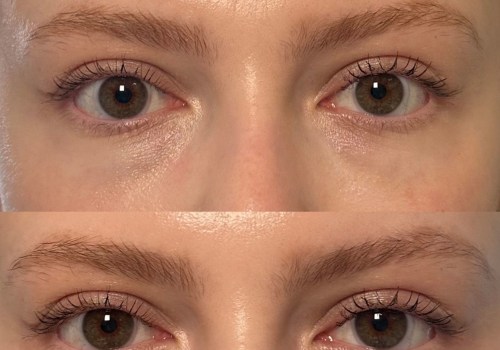
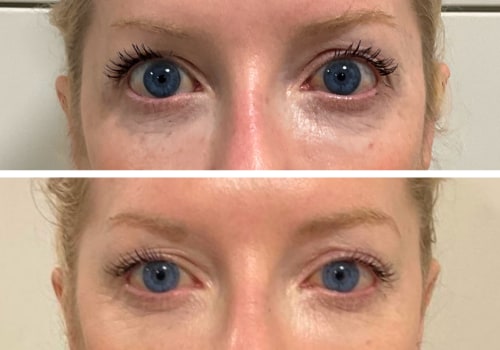
One notable case involved a 45-year-old woman seeking treatment for severe skin laxity and fine lines around her eyes.After undergoing a series of polynucleotide injections, she reported remarkable improvements in skin elasticity and texture. The treatment not only rejuvenated her appearance but also boosted her confidence. Follow-up assessments indicated a significant increase in collagen production, which is crucial for maintaining youthful skin.Another success story comes from a 30-year-old male patient who had been struggling with acne scars for years. After receiving polynucleotide injections targeted at the scarred areas, he experienced a noticeable reduction in scar visibility within just a few weeks.
His dermatologist noted that the regenerative effects of the polynucleotides played a vital role in promoting healing and improving skin texture.
Complications
While many patients enjoy positive outcomes, it is essential to acknowledge that complications can arise. A case study involving a 50-year-old woman highlighted potential risks when polynucleotides were injected too superficially. She developed mild swelling and bruising at the injection sites, which resolved within a week but caused temporary distress. This incident underscores the importance of proper injection techniques and the need for practitioners to have a thorough understanding of facial anatomy.In another instance, a patient experienced an allergic reaction to the polynucleotide solution used during treatment.Although rare, such reactions can occur, leading to symptoms like redness and itching at the injection site. The patient was treated promptly with antihistamines, and no long-term effects were reported.These case studies illustrate that while polynucleotide treatments can yield impressive results, they are not without risks. It is crucial for patients to consult with qualified professionals who can provide tailored advice and ensure safe administration of these injectables.
Future Directions in Polynucleotide Research and Applications
The landscape of polynucleotide research is rapidly evolving, with numerous studies exploring their potential applications in both medical and aesthetic fields. As we look to the future, several key areas of focus are emerging that could significantly enhance the efficacy and safety of polynucleotide treatments.Advancements in Aesthetic Applications
- Combination Therapies: One promising direction is the integration of polynucleotides with other treatment modalities, such as hyaluronic acid fillers or laser therapies.
This combination could amplify the regenerative effects, providing more comprehensive solutions for skin rejuvenation.
- Targeted Delivery Systems: Research is underway to develop advanced delivery systems that can target specific areas more effectively. This could involve the use of nanotechnology to ensure that polynucleotides are delivered precisely where they are needed, enhancing their therapeutic effects while minimising side effects.
- Personalised Treatments: The future may also see a shift towards personalised polynucleotide treatments based on individual skin types and conditions. By tailoring treatments to the unique needs of each patient, practitioners can optimise outcomes and improve patient satisfaction.
Medical Research and Therapeutic Uses
- Tissue Regeneration: Beyond aesthetics, polynucleotides hold great promise in regenerative medicine. Ongoing research is investigating their role in healing chronic wounds, repairing damaged tissues, and even in organ regeneration.
These applications could revolutionise how we approach treatment for various medical conditions.
- Anti-Aging Therapies: As the population ages, there is a growing demand for effective anti-aging solutions. Studies are exploring how polynucleotides can stimulate collagen production and improve skin elasticity, potentially offering a non-invasive alternative to surgical procedures.
- Ophthalmic Applications: There is emerging interest in the use of polynucleotides for ocular health. Research is being conducted on their potential to treat conditions such as dry eye syndrome and age-related macular degeneration, which could significantly impact quality of life for many individuals.
<strong>Conclusion</strong>
In summary, the relationship between polynucleotides and the risk of blindness is a complex topic that warrants careful consideration.While concerns about blindness associated with injectable treatments are valid, it is essential to differentiate between the various types of injectables available in the market. Unlike traditional dermal fillers, which have been linked to serious complications such as vascular occlusion and subsequent vision loss, polynucleotides present a significantly lower risk profile.The regenerative properties of polynucleotides make them a valuable tool in aesthetic medicine, particularly for skin rejuvenation and tissue repair. Their ability to stimulate cell growth and improve skin elasticity is well-documented, and when administered correctly by qualified professionals, the likelihood of adverse effects is minimal. This is particularly true when considering that polynucleotides are derived from natural sources, such as fish DNA, which enhances their compatibility with human tissues.However, it remains crucial for patients to engage in thorough discussions with their healthcare providers before undergoing any injectable treatment.
Understanding the specific risks and benefits associated with polynucleotide injections can empower individuals to make informed decisions about their aesthetic goals. Moreover, selecting a practitioner with extensive experience in facial anatomy and injection techniques can further mitigate potential risks.As the field of aesthetic medicine continues to evolve, ongoing research into the safety and efficacy of polynucleotides will likely provide deeper insights into their applications and limitations. For those considering these treatments, staying informed about advancements in this area will be beneficial.Ultimately, while the fear of blindness linked to injectable treatments should not be dismissed, it is equally important to recognise that polynucleotides offer a promising alternative with a favourable safety profile. By prioritising safety and choosing qualified practitioners, patients can enjoy the benefits of these innovative treatments while minimising risks.