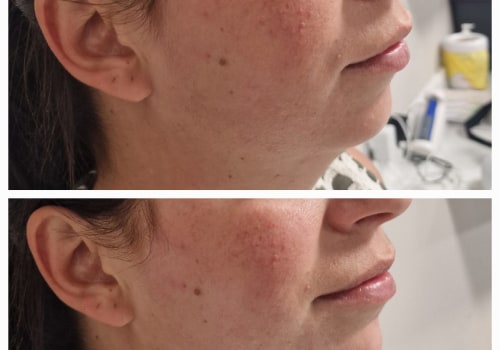
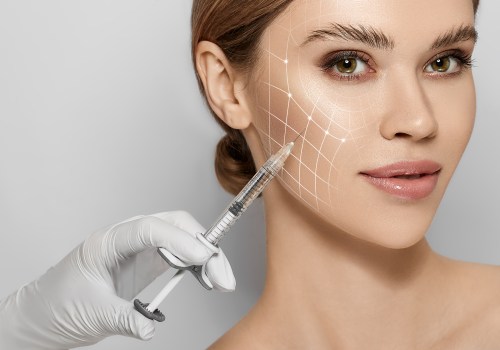
Polynucleotides are long chains of nucleotides, the building blocks of DNA and RNA, that play a crucial role in the biological processes of all living organisms. These macromolecules are essential for various cellular functions, including the storage and transmission of genetic information. In recent years, polynucleotides have emerged as a groundbreaking innovation in the field of regenerative medicine, offering new avenues for tissue repair and skin rejuvenation. Their unique properties allow them to interact with cells at a molecular level, promoting healing and regeneration in ways that traditional treatments cannot.The latest advancement in this field is the introduction of VITARAN I, an injectable polynucleotide that has received the CE mark, ensuring its compliance with European health standards.
This product exemplifies the high-quality manufacturing processes that are now standard in the industry. Derived from highly purified DNA fragments sourced from salmon or trout sperm, VITARAN I is designed to be injected into the skin, where it can exert its beneficial effects. The use of polynucleotides in aesthetic treatments is gaining traction due to their ability to enhance skin quality and promote a more youthful appearance.One of the most significant benefits of polynucleotides is their capacity to stimulate cellular regeneration. Unlike traditional fillers that provide immediate volume but may lead to complications such as water retention or lumpiness, polynucleotides work gradually to improve skin texture and elasticity over time.
This regenerative approach not only addresses visible signs of aging but also enhances overall skin health by encouraging natural repair mechanisms. As we delve deeper into the world of polynucleotides, it becomes clear that they represent a pivotal shift in how we approach skincare and tissue regeneration.
What Are Polynucleotides?
Polynucleotides are essential biomolecules that play a crucial role in the genetic makeup of living organisms. They are long chains of nucleotides, which are the basic building blocks of DNA and RNA. Each nucleotide consists of three components: a phosphate group, a sugar molecule, and a nitrogenous base.The sequence and arrangement of these nucleotides determine the genetic information carried by the polynucleotide.The structure of polynucleotides can be described as a linear sequence of nucleotides linked together by phosphodiester bonds. This structure can be further classified into two main types:
- Deoxyribonucleic Acid (DNA): DNA is a double-stranded polynucleotide that carries the genetic instructions for the development, functioning, growth, and reproduction of all known living organisms. Its structure is often depicted as a double helix, where two strands run in opposite directions and are held together by hydrogen bonds between complementary nitrogenous bases (adenine pairs with thymine, and cytosine pairs with guanine).
- Ribonucleic Acid (RNA): RNA is typically single-stranded and plays various roles in the cell, including acting as a messenger carrying instructions from DNA for controlling the synthesis of proteins. RNA can also exist in several forms, such as messenger RNA (mRNA), transfer RNA (tRNA), and ribosomal RNA (rRNA), each serving distinct functions in the process of protein synthesis.
For instance, synthetic polynucleotides are engineered for specific applications in biotechnology and medicine, including gene therapy and regenerative medicine.The significance of polynucleotides extends beyond their structural roles; they are involved in critical biological processes such as replication, transcription, and translation. Understanding their structure and types is fundamental for grasping their applications in modern science, particularly in fields like genetics, molecular biology, and therapeutic development.
The Role of Polynucleotides in Regenerative Medicine
Polynucleotides play a pivotal role in the field of regenerative medicine, primarily due to their unique ability to function at the cellular level. These long chains of nucleotides, derived from sources such as salmon or trout sperm, are not merely biological components; they are powerful agents that facilitate tissue repair and regeneration.At the core of their functionality is the capacity of polynucleotides to stimulate cellular processes that promote healing. When injected into the skin, they interact with various cell types, including fibroblasts and keratinocytes, which are essential for skin health and integrity.This interaction triggers a cascade of biological responses that enhance the body’s natural healing mechanisms.
How Polynucleotides Work
The mechanism by which polynucleotides operate involves several key processes:- Cell Signalling: Polynucleotides act as signalling molecules that communicate with cells to initiate repair processes. They encourage cells to migrate to areas of injury, promoting faster recovery.
- Collagen Synthesis: One of the most significant benefits of polynucleotides is their ability to stimulate collagen production. Collagen is a vital protein that provides structure and elasticity to the skin, and its synthesis is crucial for effective tissue repair.
- Anti-inflammatory Effects: Polynucleotides possess anti-inflammatory properties that help reduce swelling and discomfort in damaged tissues. This effect not only aids in recovery but also enhances overall skin quality.
Benefits of Polynucleotides
The advantages of incorporating polynucleotides into regenerative treatments are manifold:- Enhanced Skin Quality: Regular use of polynucleotides can lead to improved skin texture, tone, and hydration, making them an excellent choice for aesthetic applications.
- Wound Healing: Their ability to accelerate wound healing makes polynucleotides invaluable in both cosmetic and medical settings, particularly for patients recovering from surgical procedures or injuries.
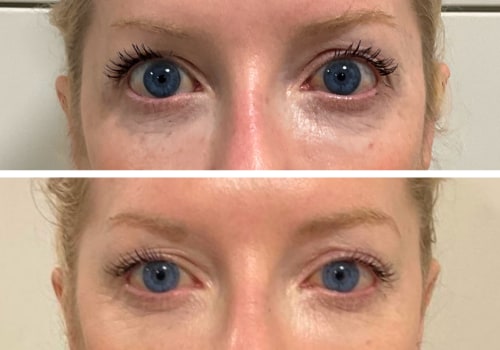
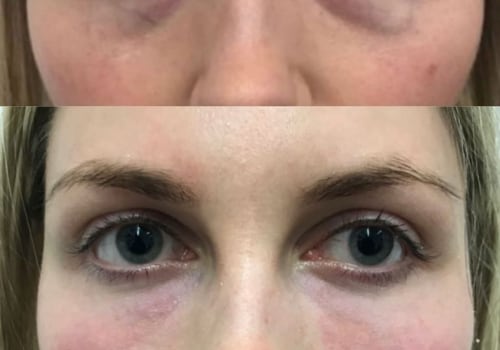
- Versatility: Polynucleotides can be used in various areas of the body, including delicate regions like under the eyes or on the neck, where traditional fillers may not be suitable.
Their multifaceted roles in promoting cellular repair and enhancing skin quality underscore their importance as a therapeutic tool. As research continues to evolve, the potential applications for polynucleotides in both aesthetic and medical treatments are likely to expand even further.
Latest Developments: VITARAN I and Other Innovations
The introduction of VITARAN I marks a significant advancement in the field of injectable polynucleotides, setting a new standard for regenerative treatments. This product, exclusive to Fox Group, has received the prestigious CE mark , indicating its compliance with European health and safety regulations. This certification not only assures practitioners of its quality but also provides patients with confidence in its efficacy and safety.VITARAN I is distinguished by its formulation, which consists of highly purified polynucleotides derived from salmon or trout sperm DNA.This unique source ensures that the polynucleotides are not only effective but also biocompatible with human skin. The product is designed to be injected superficially, allowing for optimal absorption and minimal discomfort during treatment.One of the standout features of VITARAN I is its ability to stimulate cellular regeneration at a fundamental level. Unlike traditional dermal fillers that provide immediate volume, VITARAN I works gradually, enhancing skin texture and promoting healing over time. Patients can expect to see initial improvements within two to three weeks, with full results becoming apparent after approximately three months.In comparison to other polynucleotide products on the market, such as Plinest and Newest, VITARAN I offers a higher concentration of active ingredients, making it particularly effective for various skin concerns.
While Plinest focuses on hydration and rejuvenation, VITARAN I excels in tissue repair and regeneration, making it suitable for a broader range of applications.Moreover, VITARAN I's formulation allows it to be used in delicate areas such as under the eyes and around the mouth without the risk of water retention commonly associated with hyaluronic acid-based treatments. This makes it an ideal choice for patients seeking natural-looking results without the potential side effects of traditional fillers.As the demand for innovative skincare solutions continues to grow, VITARAN I stands out as a pioneering option in the realm of polynucleotide treatments. Its unique properties not only enhance skin quality but also provide long-term benefits that align with the goals of modern aesthetic medicine.
How Polynucleotides Are Administered
Administering polynucleotides involves specific techniques that ensure optimal results while minimising discomfort for patients. Understanding these methods is crucial for anyone considering treatment, as it can significantly influence the overall experience and effectiveness of the procedure.Injection Techniques
There are primarily two methods used for injecting polynucleotides: the micro-injection technique and the cannula technique.
Each method has its own advantages and is chosen based on the treatment area and patient needs.
- Micro-Injection Technique: This method involves using very fine needles to inject polynucleotides directly into the skin. The injections are typically administered superficially, allowing for precise placement of the product. Patients may experience minor discomfort during this process, often described as a slight prick or sting. After the procedure, small blisters may form at the injection sites, which usually resolve within a few hours but can last longer for some individuals.
- Cannula Technique: Alternatively, a blunt-tipped cannula can be employed to distribute polynucleotides more evenly across a larger area.
This technique is generally associated with less pain and swelling compared to micro-injections. The cannula glides through the tissue, reducing the risk of damaging blood vessels and nerves. Post-treatment swelling may occur but typically subsides within a week.
What to Expect During Treatment
Before undergoing treatment, patients should have a thorough consultation with their practitioner to discuss their specific concerns and desired outcomes. During the procedure, a topical anaesthetic may be applied to minimise discomfort.
The actual injection process can take anywhere from 30 minutes to an hour, depending on the areas being treated.After receiving polynucleotide injections, patients might not see immediate results. This is because the effects occur at a cellular level, stimulating regeneration over time. Initial improvements may be noticeable within 2 to 3 weeks; however, optimal results are typically observed after about three months.It is essential for patients to follow post-treatment care instructions provided by their practitioner to ensure proper healing and maximise results. This may include avoiding strenuous activities and direct sun exposure for a short period following treatment.In summary, understanding the various administration techniques for polynucleotides can help patients make informed decisions about their treatment options.
Whether opting for micro-injections or cannula techniques, both methods offer unique benefits tailored to individual needs.
Comparing Different Brands of Polynucleotides
When it comes to selecting the right polynucleotide treatment, understanding the differences between various brands is crucial. Each brand offers unique formulations, concentrations, and benefits that cater to specific skin concerns. Here, we will delve into a comparison of some of the leading polynucleotide brands available on the market today, focusing on their effectiveness and suitability for different treatments.1.Plinest
Previously known as Plenhyage, Plinest is renowned for its high concentration of polynucleotides, making it a popular choice among practitioners. This brand is specifically designed for medical use and is often recommended for its regenerative properties.
Plinest not only aids in skin rejuvenation but also enhances the overall texture and elasticity of the skin. Its formulation is particularly effective for delicate areas such as under the eyes and around the mouth, where skin integrity is paramount.
2.VITARAN I
VITARAN I stands out as the latest injectable polynucleotide from Fox Group, boasting a CE mark that signifies its compliance with European health standards. This product is manufactured under stringent quality control measures, ensuring that patients receive a safe and effective treatment. VITARAN I is particularly noted for its ability to stimulate cellular repair and improve skin quality at a deeper level.
Its unique formulation allows for a gradual enhancement of skin appearance over time, making it an excellent option for those seeking long-term results.
3.Newest
Newest represents a hybrid approach by combining polynucleotides with hyaluronic acid. This innovative blend not only provides hydration but also promotes skin regeneration. The dual-action formula makes Newest suitable for individuals looking to achieve both immediate plumping effects and long-term skin health improvements. It is particularly beneficial for those who desire a more youthful appearance without the use of traditional fillers.
4.Other Notable Brands
- Regenyal: Known for its versatility, Regenyal offers various formulations tailored to different skin types and concerns.
- Profhilus: While primarily focused on facial rejuvenation, Profhilus has gained traction for its effectiveness in treating fine lines and wrinkles.
- Hyaluronic Acid Combinations: Some brands offer polynucleotides combined with other active ingredients to enhance their efficacy further.
Consulting with a qualified practitioner can help determine which brand aligns best with individual needs and desired outcomes.
Benefits of Using Polynucleotides for Skin Health
Polynucleotides have emerged as a groundbreaking innovation in the realm of skin health, offering a multitude of benefits that cater to various skin concerns. Their unique composition and regenerative properties make them a valuable asset in the pursuit of youthful, vibrant skin.One of the primary advantages of using polynucleotides is their ability to enhance skin texture. By stimulating cellular regeneration, these compounds promote the production of collagen and elastin, essential proteins that contribute to skin firmness and elasticity. As a result, individuals often experience smoother, more refined skin surfaces, reducing the appearance of fine lines and wrinkles.Moreover, polynucleotides play a significant role in reducing scarring.Their wound healing properties signal the skin to repair itself more effectively, which can be particularly beneficial for those with acne scars or other blemishes. The regenerative action not only aids in healing but also helps to diminish the visibility of existing scars over time.In addition to improving texture and reducing scarring, polynucleotides are known for their anti-aging effects. As we age, our skin naturally loses its ability to regenerate and repair itself. By introducing polynucleotides into the skin, we can effectively counteract this decline.
The treatment encourages a more youthful appearance by revitalising dull skin and restoring its natural glow.Furthermore, polynucleotides act as powerful antioxidants, combating free radicals that contribute to premature aging. This protective effect not only helps maintain skin integrity but also enhances overall skin quality by preventing damage from environmental stressors.Another notable benefit is their versatility; polynucleotides can be used on various areas of the body, including delicate regions such as under the eyes or on the neck and décolleté. This adaptability makes them an excellent choice for comprehensive skin rejuvenation.In summary, the incorporation of polynucleotides into skincare regimens offers numerous benefits, including improved texture, reduced scarring, enhanced anti-aging effects, and overall better skin quality. As research continues to unveil their potential, polynucleotides are set to become a staple in advanced skincare treatments.
Potential Side Effects and Considerations
While polynucleotides offer numerous benefits for skin rejuvenation and tissue repair, it is essential to be aware of potential side effects and considerations before undergoing treatment.Understanding these factors can help individuals make informed decisions regarding their skincare options.
Common Side Effects
As with any injectable treatment, polynucleotides may cause some temporary side effects. These can include:- Swelling: Mild swelling at the injection site is common and usually subsides within a few days.
- Redness: Some patients may experience redness, which typically resolves quickly.
- Pain or Discomfort: A slight sensation of pain or discomfort during and after the injection is possible but generally manageable.
- Bruising: Bruising may occur, particularly if the injection is administered near blood vessels.
Less Common Risks
Although rare, there are some less common risks associated with polynucleotide treatments:- Allergic Reactions: While allergies to salmon DNA are uncommon, they can occur. It is crucial to disclose any known allergies to your practitioner prior to treatment.
- Infection: As with any procedure that involves injections, there is a risk of infection. Ensuring that the treatment is performed in a sterile environment can mitigate this risk.
- Nodules or Lumps: In some cases, patients may develop small nodules or lumps at the injection site, although these typically resolve over time.
Contraindications for Treatment
Certain individuals may not be suitable candidates for polynucleotide treatments.Contraindications include:
- Pregnancy and Breastfeeding: Women who are pregnant or breastfeeding should avoid polynucleotide treatments due to insufficient research on safety during these periods.
- Active Skin Infections: Individuals with active infections or skin conditions in the treatment area should postpone their procedure until fully healed.
- Autoimmune Disorders: Those with autoimmune disorders may need to consult their healthcare provider before considering polynucleotide injections, as their immune response could be affected.
Future Trends in Polynucleotide Research and Applications
The field of polynucleotide research is rapidly evolving, with numerous studies and clinical trials underway that aim to unlock the full potential of these remarkable biomolecules. As we look to the future, several key trends are emerging that could significantly enhance the applications of polynucleotides in regenerative medicine and beyond.1.Enhanced Delivery Systems
One of the most promising areas of research involves the development of advanced delivery systems for polynucleotides. Traditional injection methods can be improved through innovative techniques such as micro-needling and nanotechnology, which may enhance the absorption and efficacy of polynucleotides at the cellular level.
These methods aim to ensure that polynucleotides reach their target cells more effectively, potentially leading to quicker and more pronounced results.
2.Combination Therapies
Another exciting trend is the exploration of combination therapies that integrate polynucleotides with other regenerative treatments. For instance, pairing polynucleotides with growth factors or stem cell therapies could amplify their regenerative effects, offering a synergistic approach to tissue repair and rejuvenation. This holistic strategy may lead to more comprehensive treatment options for conditions such as skin aging, hair loss, and even joint degeneration.
3.Personalised Medicine
The future of polynucleotide therapy is also leaning towards personalised medicine. As our understanding of genetic variations improves, treatments can be tailored to individual patients based on their unique genetic makeup.
This could enhance the effectiveness of polynucleotide therapies, making them more suitable for specific conditions or patient demographics.
4.Expanding Applications
Research is also expanding into new applications for polynucleotides beyond aesthetic treatments. For example, studies are investigating their potential in treating chronic wounds, enhancing hair regrowth in alopecia patients, and even addressing autoimmune disorders by modulating immune responses. The versatility of polynucleotides makes them a valuable tool in various medical fields.
5.Regulatory Advances
As the science behind polynucleotides progresses, regulatory bodies are also adapting to ensure safety and efficacy in clinical applications. Ongoing discussions about standardisation and quality control will likely pave the way for broader acceptance and use of polynucleotide therapies in mainstream medicine.In conclusion, the future of polynucleotide research is bright, with numerous avenues being explored that promise to revolutionise regenerative medicine.
As advancements continue to unfold, we can expect to see innovative treatments that harness the power of these biomolecules to improve health outcomes across a range of conditions.
<strong>Conclusion</strong>
In summary, the advancements in polynucleotide therapy represent a significant leap forward in the field of regenerative medicine. The latest injectable polynucleotide, VITARAN I, has set a new standard with its CE mark and rigorous quality control, ensuring that patients receive a product that is both safe and effective. The benefits of polynucleotides are manifold, making them an invaluable tool in aesthetic treatments and skin rejuvenation.Summary of Polynucleotide Benefits
- Cellular Repair: Polynucleotides work at the cellular level to stimulate regeneration, promoting healing and improving skin texture.
- Antioxidant Properties: They act as powerful antioxidants, neutralising free radicals that can cause cellular damage.
- Wound Healing: By signalling the skin to repair itself, polynucleotides enhance wound healing and reduce the appearance of scars and stretch marks.
- Volume and Firmness: They provide a subtle increase in volume and firmness to the skin, contributing to a more youthful appearance.
- Versatility: Suitable for various areas of the body, including delicate regions like under the eyes, neck, and décolleté.
Latest Developments in Polynucleotide Therapy
The introduction of hybrid products that combine polynucleotides with hyaluronic acid marks an exciting development in this field. These combinations not only enhance the lifting and plumping effects but also improve overall skin quality.
As research continues, we can expect further innovations that will expand the applications of polynucleotides in both aesthetic and therapeutic contexts.
Importance of Understanding Polynucleotides
Understanding the role of polynucleotides is crucial for both practitioners and patients. As these treatments become more prevalent, knowledge about their mechanisms, benefits, and potential applications will empower individuals to make informed decisions regarding their skincare and aesthetic goals. Moreover, as we continue to explore the regenerative capabilities of polynucleotides, their significance in long-term skin health cannot be overstated.In conclusion, embracing the latest developments in polynucleotide therapy not only enhances our understanding of skin rejuvenation but also opens up new avenues for achieving natural-looking results. As we move forward, staying informed about these advancements will be essential for anyone interested in harnessing the power of regenerative medicine.