Polynucleotides are essential biomolecules composed of long chains of nucleotides, which are the building blocks of DNA and RNA. These complex structures play a pivotal role in various biological processes, including genetic information storage, transmission, and expression. In recent years, polynucleotides have gained significant attention in the field of medicine, particularly in regenerative therapies and aesthetic treatments. Their unique properties allow them to stimulate cellular activity, promote healing, and enhance tissue regeneration, making them a valuable tool in modern medical practices.In the context of aesthetic medicine, polynucleotides are often used as injectable treatments aimed at rejuvenating the skin and improving its overall appearance.
By harnessing the natural healing capabilities of these molecules, practitioners can encourage collagen and elastin production, leading to firmer and more youthful-looking skin. This innovative approach not only addresses superficial signs of aging but also targets deeper layers of the skin to restore vitality and resilience.Despite their promising applications, it is crucial to understand that the use of polynucleotides is not without risks. While they are generally considered safe when administered by qualified professionals, complications can arise from improper techniques or individual patient responses. As we delve deeper into the topic of polynucleotides, we will explore both their remarkable benefits and the potential challenges associated with their use in medical treatments.
This comprehensive understanding will equip readers with the knowledge needed to make informed decisions regarding polynucleotide therapies.
What Are Polynucleotides?
Polynucleotides are essential biomolecules composed of long chains of nucleotide units, which are the building blocks of DNA and RNA. These macromolecules play a crucial role in various biological processes, including genetic information storage, transmission, and expression. In essence, polynucleotides serve as the foundation for life, enabling organisms to grow, reproduce, and adapt to their environments.There are two primary types of polynucleotides: deoxyribonucleic acid (DNA) and ribonucleic acid (RNA). Each type has distinct functions and characteristics:- DNA : This double-stranded molecule is responsible for storing and transmitting genetic information.
It contains the instructions necessary for the development and functioning of all living organisms. The sequence of nucleotides in DNA encodes the genetic blueprint that determines an organism's traits.
- RNA : Unlike DNA, RNA is typically single-stranded and plays several roles in the cell. It is involved in protein synthesis, acting as a messenger between DNA and ribosomes, where proteins are assembled. There are various forms of RNA, including messenger RNA (mRNA), transfer RNA (tRNA), and ribosomal RNA (rRNA), each serving specific functions in the process of gene expression.
They are involved in cellular processes such as:
- Regulation of gene expression : Polynucleotides can influence which genes are turned on or off, thereby affecting cellular behaviour and function.
- Cellular repair mechanisms : Polynucleotides play a vital role in repairing damaged DNA, ensuring the integrity of genetic information across generations.
- Cell signalling : Certain polynucleotides participate in signalling pathways that help cells respond to environmental changes.
Common Uses of Polynucleotides in Medicine
Polynucleotides have emerged as a versatile tool in modern medicine, finding applications across various fields, particularly in regenerative medicine and aesthetic treatments.Their unique properties allow them to play a crucial role in enhancing healing processes and improving skin quality.One of the primary uses of polynucleotides is in regenerative medicine. They are known to stimulate cellular activity, promoting tissue repair and regeneration. This is particularly beneficial in treating chronic wounds, where the body’s natural healing mechanisms may be impaired. By introducing polynucleotides into the affected area, clinicians can enhance the formation of new blood vessels and accelerate the healing process, leading to improved outcomes for patients.In addition to wound healing, polynucleotides are increasingly being utilised in aesthetic treatments.
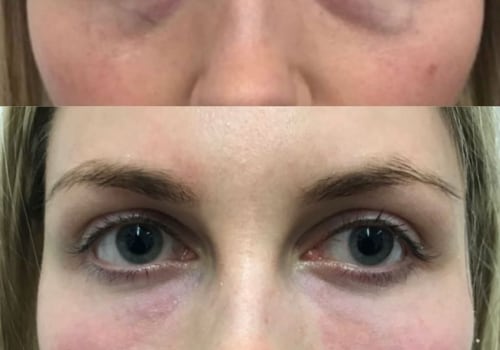
They are often injected into the skin to rejuvenate and revitalise the complexion. The mechanism behind this involves stimulating fibroblasts, which are essential for collagen and elastin production. As a result, patients can experience improved skin elasticity, reduced fine lines, and an overall more youthful appearance.The benefits of polynucleotide treatments extend beyond mere aesthetics. They possess anti-inflammatory properties , which can help reduce redness and swelling associated with various skin conditions.
This makes them an attractive option for individuals suffering from conditions such as rosacea or acne scars. Furthermore, because polynucleotides are biocompatible, they are generally well-tolerated by the body, minimising the risk of adverse reactions.Moreover, polynucleotides can be combined with other treatments to enhance their effectiveness. For instance, they can be used alongside hyaluronic acid fillers to provide both hydration and structural support to the skin. This combination approach not only improves immediate results but also contributes to long-term skin health.In summary, the medical applications of polynucleotides are vast and varied.
From promoting healing in chronic wounds to enhancing aesthetic outcomes in cosmetic procedures, their ability to stimulate cellular activity and improve skin quality makes them a valuable asset in contemporary medical practice.
Potential Risks and Complications Associated with Polynucleotide Treatments
While polynucleotide treatments are generally regarded as safe and effective, it is essential to be aware of the potential risks and complications that may arise during or after the procedure. Understanding these risks can help patients make informed decisions and prepare for any possible side effects.One of the most significant concerns associated with polynucleotide injections is the possibility of allergic reactions. Although rare, some individuals may experience hypersensitivity to the components of the polynucleotides. Symptoms can range from mild to severe and may include:- Skin rashes
- Swelling
- Itching
- Anaphylaxis (a life-threatening reaction)
Patients should discuss their medical history and any known allergies with their healthcare provider prior to treatment to mitigate this risk.Another concern is related to the injection technique. Improper administration can lead to complications such as:
- Vascular occlusion: If the injected material inadvertently enters a blood vessel, it can block blood flow, potentially leading to tissue necrosis.
- Bruising and swelling: These are common side effects that occur due to the trauma caused by the needle. Individuals with sensitive skin or a tendency to bruise easily may experience more pronounced effects.
- Nodules or lumps: Small bumps may form at the injection site, which are typically harmless but can be concerning for patients. These usually resolve on their own as the body absorbs the polynucleotides.
However, if these symptoms persist or worsen, it is advisable to consult a healthcare professional.It is important to note that unlike some dermal fillers, polynucleotide treatments cannot be reversed once administered, as they are not soluble. Therefore, choosing a qualified and experienced practitioner is vital for minimising risks and ensuring optimal outcomes.In summary, while polynucleotide treatments offer numerous benefits for skin rejuvenation and healing, potential risks such as allergic reactions, injection-related complications, and side effects must be carefully considered. Patients should engage in thorough discussions with their healthcare providers to ensure they are well-informed about what to expect during and after treatment.
Allergic Reactions to Polynucleotides
While polynucleotides are generally regarded as safe and biocompatible, there is a possibility of allergic reactions occurring in some individuals. Understanding these reactions is crucial for anyone considering polynucleotide treatments.Symptoms of Allergy to Polynucleotides
- Skin Reactions: The most common symptoms include skin rashes, which may manifest as redness, itching, or hives.
These reactions can occur shortly after the treatment.
- Swelling: Localised swelling at the injection site is another potential symptom. In more severe cases, swelling may extend beyond the treated area.
- Anaphylaxis: Although rare, some individuals may experience anaphylaxis, a severe allergic reaction that can be life-threatening. Symptoms include difficulty breathing, rapid heartbeat, and a drop in blood pressure.
Managing Allergic Reactions
If you suspect an allergic reaction to polynucleotides, here are some management strategies:
- Consult a Healthcare Professional: Always inform your practitioner about any known allergies before undergoing treatment.
If symptoms arise post-treatment, contact your healthcare provider for advice.
- Antihistamines: Over-the-counter antihistamines may help alleviate mild allergic symptoms such as itching and rashes. However, consult a healthcare professional before taking any medication.
- Corticosteroids: In cases of more severe reactions, corticosteroids may be prescribed to reduce inflammation and manage symptoms effectively.
- Avoid Future Treatments: If you have experienced an allergic reaction to polynucleotides, it is advisable to avoid future treatments with these substances and discuss alternative options with your healthcare provider.
Injection Techniques and Their Impact on Safety
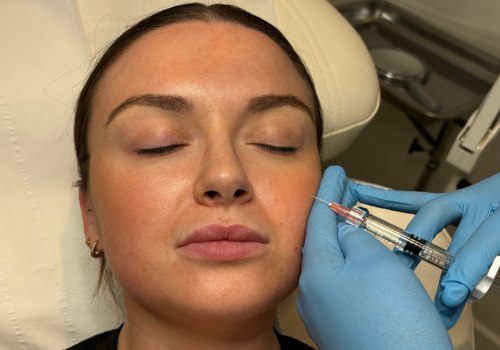
When it comes to the administration of polynucleotides, the technique employed during injection plays a pivotal role in determining the safety and efficacy of the treatment. Proper injection techniques are essential not only for achieving optimal results but also for minimising potential complications that may arise from the procedure.One of the primary concerns associated with injectable treatments, including polynucleotides, is the risk of vascular occlusion.This occurs when the injected material inadvertently enters a blood vessel, leading to blockage and potentially causing tissue necrosis. Such incidents can be catastrophic, underscoring the necessity for skilled practitioners who possess a thorough understanding of vascular anatomy. A qualified professional will be adept at identifying safe injection sites and employing techniques that reduce the likelihood of such complications.Safe injection practices encompass several key elements:
- Assessment of Patient Anatomy: Before proceeding with an injection, it is crucial for practitioners to assess the individual anatomy of each patient. This includes understanding variations in vascular structures and ensuring that injections are administered away from major blood vessels.
- Use of Appropriate Techniques: Techniques such as aspiration—pulling back on the syringe plunger before injecting—can help confirm that the needle is not in a blood vessel.
Additionally, using a micro-cannula can further minimise risks by allowing for a more controlled delivery of polynucleotides.
- Injection Depth and Angle: The depth and angle at which polynucleotides are injected can significantly impact their distribution within the tissue. A professional should tailor these parameters based on the treatment area and desired outcomes.
- Post-Injection Care: After administering polynucleotides, patients should receive clear instructions on post-injection care. This may include advice on massaging the area to promote even distribution and reduce swelling or bruising.
Common Side Effects of Polynucleotide Treatments
Polynucleotide treatments have gained popularity for their regenerative properties, but like any medical procedure, they can lead to certain side effects.Understanding these potential reactions is essential for managing expectations and ensuring a positive experience.One of the most frequently reported side effects following polynucleotide injections is swelling. This occurs as the body responds to the introduction of the polynucleotides, which stimulate the healing process. Swelling is typically localized to the injection site and may last for a few days. In most cases, it is mild and resolves without intervention.
Bruising
is another common reaction associated with polynucleotide treatments.
This can happen due to the disruption of small blood vessels during the injection process. Individuals with sensitive skin or those prone to bruising may notice more pronounced marks. While bruising can be unsightly, it usually fades within a week or two.In addition to swelling and bruising, patients may experience temporary redness at the injection site. This reaction is part of the body’s natural response and indicates increased blood flow to the area as it begins to heal.
Redness typically subsides within a few hours to a couple of days.
Mild itching
or tenderness in the treated area is also common. These sensations are generally harmless and signify that the body is responding positively to the treatment. However, if itching becomes severe or persistent, it is advisable to consult with a healthcare professional.Occasionally, small bumps or nodules may form under the skin at the injection site. These are usually benign and will resolve on their own as the polynucleotides are absorbed by the body.
To help alleviate any concerns, gentle massage of the area, as recommended by a practitioner, can aid in even distribution and expedite resolution.It is crucial to note that unlike some dermal fillers, polynucleotide treatments cannot be reversed due to their non-soluble nature. Therefore, patients should be well-informed about what to expect before undergoing treatment.To manage these side effects effectively, patients are encouraged to follow post-treatment care instructions provided by their healthcare provider. This may include applying cold compresses to reduce swelling or avoiding strenuous activities for a short period after treatment.In summary, while polynucleotide treatments are generally safe and well-tolerated, being aware of potential side effects such as swelling, bruising, redness, itching, and nodules can help patients prepare for their recovery journey.
Long-Term Considerations for Polynucleotide Use
As the use of polynucleotides in medical and aesthetic treatments continues to gain traction, it is essential to consider the long-term implications of their application. Understanding the sustainability of these treatments and their potential future advancements can provide valuable insights for both practitioners and patients.One of the primary concerns regarding the long-term effects of polynucleotide treatments is their impact on cellular health and tissue regeneration.Research indicates that polynucleotides can stimulate collagen and elastin production, which are vital for maintaining skin elasticity and overall structural integrity. However, the question remains: how do these effects manifest over extended periods? While initial studies suggest positive outcomes, ongoing research is necessary to monitor any potential adverse effects that may arise with repeated use.Moreover, sustainability in the context of polynucleotide therapies is a critical consideration. As demand for these treatments increases, it is crucial to ensure that the sources of polynucleotides are ethically and environmentally sustainable. This includes evaluating the methods used for extraction and production, as well as ensuring that they do not contribute to ecological degradation.
The development of synthetic alternatives or biotechnological advancements could play a significant role in enhancing sustainability while maintaining efficacy.Looking towards the future, the potential for polynucleotide therapies is vast. Innovations in delivery methods, such as advanced injection techniques or combination therapies with other regenerative treatments, could enhance their effectiveness and broaden their applications. Additionally, ongoing research into the molecular mechanisms of polynucleotides may lead to new therapeutic uses beyond aesthetics, including applications in wound healing and tissue engineering.In conclusion, while polynucleotides offer promising benefits for both short-term and long-term treatment plans, it is imperative to approach their use with a comprehensive understanding of their implications. Continuous research and development will be key in ensuring that these therapies remain safe, effective, and sustainable for future generations.
Conclusion: Weighing the Benefits Against the Risks
In conclusion, the exploration of polynucleotides and their applications in aesthetic and medical treatments reveals a complex interplay between their remarkable benefits and potential risks.As we have discussed, polynucleotides are not merely a trend in cosmetic procedures; they represent a significant advancement in regenerative medicine, offering the promise of enhanced skin quality, improved elasticity, and overall rejuvenation.However, it is essential to approach these treatments with a balanced perspective. While the advantages of polynucleotide therapies include their ability to stimulate collagen production and promote healing, there are inherent risks that must be acknowledged. The possibility of allergic reactions, injection site complications, and the irreversible nature of these treatments necessitate careful consideration.Moreover, the qualifications of the practitioner administering the treatment play a crucial role in mitigating risks. It is imperative that individuals seeking polynucleotide injections choose experienced professionals who are well-versed in vascular anatomy and injection techniques.
This not only enhances safety but also maximises the effectiveness of the treatment.As with any medical procedure, informed consent is vital. Patients should engage in thorough discussions with their healthcare providers about their medical history, expectations, and any concerns they may have regarding polynucleotides. Understanding both the potential benefits and risks allows individuals to make educated decisions that align with their personal health goals.Ultimately, while polynucleotide treatments can offer transformative results for many, it is crucial to weigh these benefits against the possible complications. By doing so, patients can embark on their journey towards rejuvenation with confidence and clarity, ensuring that they are well-prepared for both the positive outcomes and any challenges that may arise.