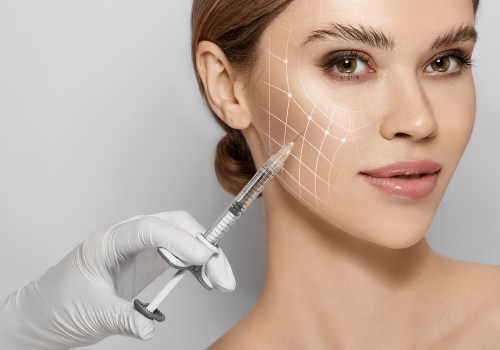
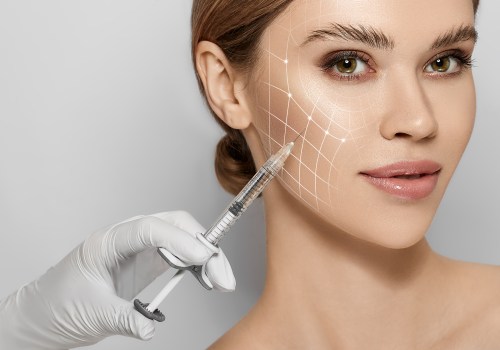
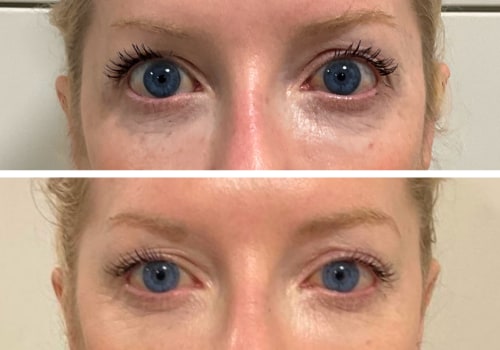
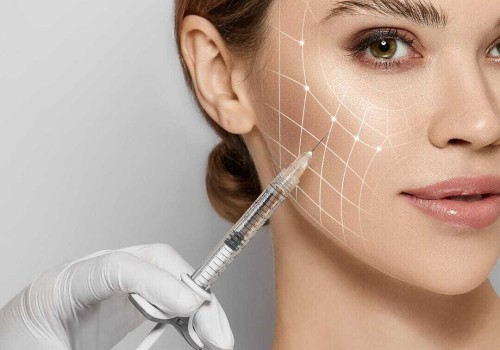
Polynucleotides are essential biological macromolecules composed of long chains of nucleotides, which are the fundamental building blocks of DNA and RNA. These molecules play a crucial role in various biological processes, including genetic information storage, transmission, and expression. In recent years, polynucleotides have gained significant attention in the fields of medicine and aesthetics due to their remarkable regenerative properties. Their ability to stimulate cellular repair and promote healing has led to their incorporation into various therapeutic applications, particularly in the form of polynucleotide injections.Polynucleotide injections, often referred to as PDRN (Polydeoxyribonucleotide) treatments, involve the administration of these nucleic acid derivatives directly into the skin or affected tissues.
This innovative approach harnesses the natural healing capabilities of polynucleotides to enhance tissue regeneration and improve skin quality. The injections are typically derived from salmon sperm DNA, which is known for its high biocompatibility and effectiveness in promoting cellular activity. As a result, polynucleotide injections have become increasingly popular for addressing a range of cosmetic concerns, including fine lines, wrinkles, and overall skin texture.The benefits of polynucleotides extend beyond mere cosmetic enhancements. They are also being explored for their potential in treating various medical conditions, such as chronic wounds and joint disorders.
By stimulating fibroblast activity and collagen synthesis, polynucleotides can significantly accelerate the healing process and improve tissue integrity. Furthermore, their anti-inflammatory properties make them an attractive option for individuals seeking non-invasive treatments with minimal side effects.As we delve deeper into the pros and cons of polynucleotide injections, it is essential to understand their biological significance and therapeutic potential. This foundational knowledge will equip readers with the necessary insights to make informed decisions regarding their use in both cosmetic and medical contexts.
The Mechanism of Action of Polynucleotide Injections
Polynucleotide injections, often referred to as PN injections, operate through a sophisticated mechanism that promotes tissue repair and regeneration at the cellular level. Understanding how these injections work is essential for evaluating their potential benefits in both cosmetic and medical applications.At the core of polynucleotide therapy is the role of nucleotides , which are the fundamental building blocks of DNA and RNA.When injected into the body, these nucleotides stimulate various biological processes that are crucial for healing. The primary mechanism involves the activation of fibroblasts, which are cells responsible for producing collagen and other extracellular matrix components. This process is vital for maintaining skin elasticity and overall structural integrity.Once administered, polynucleotides interact with cell receptors, triggering a cascade of cellular responses. This interaction enhances the proliferation of fibroblasts and promotes their migration to the site of injury or damage.
As fibroblasts multiply, they begin synthesising collagen, elastin, and glycosaminoglycans, all of which contribute to skin rejuvenation and repair.
Role in Tissue Repair
The regenerative properties of polynucleotide injections extend beyond mere collagen production. They also play a significant role in modulating inflammation. By reducing inflammatory markers, polynucleotides help create a more conducive environment for healing. This anti-inflammatory effect can be particularly beneficial in treating conditions such as acne scars or post-surgical recovery.Cellular Regeneration
Moreover, polynucleotides have been shown to enhance angiogenesis—the formation of new blood vessels—which is crucial for delivering oxygen and nutrients to damaged tissues.Improved blood flow accelerates the healing process and can lead to more effective outcomes in skin rejuvenation treatments.In summary, the mechanism of action of polynucleotide injections is multifaceted, involving cellular activation, collagen synthesis, inflammation modulation, and angiogenesis. These processes collectively contribute to their effectiveness in promoting tissue repair and regeneration, making them a compelling option for those seeking both aesthetic improvements and therapeutic benefits.
Benefits of Polynucleotide Injections
Polynucleotide injections have gained significant attention in both cosmetic and medical fields due to their remarkable benefits. These injections, rich in nucleotides, play a crucial role in cellular repair and regeneration, making them a valuable option for various applications.1.Skin Rejuvenation
- Enhanced Hydration: Polynucleotides help to improve skin hydration by promoting the synthesis of hyaluronic acid, a natural substance that retains moisture in the skin. This leads to a plumper and more youthful appearance.
- Collagen Stimulation: One of the primary advantages of polynucleotide injections is their ability to stimulate collagen production.
Increased collagen levels contribute to improved skin elasticity and firmness, reducing the appearance of fine lines and wrinkles.
- Skin Texture Improvement: Regular treatments can lead to smoother skin texture, as polynucleotides aid in the repair of damaged skin cells and promote overall skin health.
2.Healing Properties
- Tissue Repair: Polynucleotides are known for their regenerative properties, making them effective in healing wounds and injuries. They facilitate faster recovery by enhancing cell proliferation and migration at the injury site.
- Anti-Inflammatory Effects: These injections can help reduce inflammation, which is beneficial for conditions such as acne or rosacea. By calming the skin, polynucleotides can alleviate redness and irritation.
3.Medical Applications
- Treatment of Joint Disorders: In orthopaedics, polynucleotide injections are being explored for their potential to treat joint disorders such as osteoarthritis. They may help reduce pain and improve joint function by promoting tissue regeneration.
- Hair Restoration: Emerging research suggests that polynucleotides may also be effective in treating hair loss by stimulating hair follicle activity and promoting hair growth.
As research continues to unfold, the full spectrum of benefits associated with these injections is likely to expand, offering new hope for various conditions.
Potential Risks and Side Effects
When considering polynucleotide injections, it is crucial to be informed about the potential risks and side effects associated with the treatment. While many patients report positive outcomes, understanding the possible adverse effects can help in making an informed decision.Allergic Reactions
One of the primary concerns with polynucleotide injections is the risk of allergic reactions. Although these injections are generally well-tolerated, some individuals may experience hypersensitivity. Symptoms can range from mild to severe and may include:
- Skin rashes
- Itching
- Swelling at the injection site
- Anaphylaxis (a rare but life-threatening reaction)
Common Side Effects
In addition to allergic reactions, there are several common side effects that patients may experience after receiving polynucleotide injections.
These side effects are typically mild and temporary, including:
- Redness at the injection site
- Swelling, which may last for a few hours or days
- Bruising, especially in individuals with sensitive skin
- Tenderness or mild pain in the treated area
- Small bumps or nodules that may form under the skin, usually resolving on their own
Long-term Considerations
While polynucleotide injections are considered safe for most individuals, it is important to note that they cannot be reversed like some other cosmetic treatments. Once administered, the effects of polynucleotides will gradually diminish over time as the body metabolises them. Therefore, ongoing consultations with a qualified medical professional are recommended to assess the need for further treatments and to address any concerns regarding side effects.In conclusion, being aware of the potential risks and side effects of polynucleotide injections is vital for anyone considering this treatment.
By consulting with a knowledgeable practitioner and discussing your medical history, you can better navigate these risks and make an informed choice about your skincare options.
Who Should Consider Polynucleotide Injections?
Polynucleotide injections have gained traction in both cosmetic and medical fields, but not everyone is an ideal candidate for this treatment. Understanding who can benefit from these injections and who should avoid them is crucial for making an informed decision.Ideal Candidates for Polynucleotide Injections
- Individuals Seeking Skin Rejuvenation: Those looking to improve skin texture, elasticity, and overall appearance may find polynucleotide injections beneficial. This treatment can stimulate collagen production, leading to a more youthful look.
- Patients with Specific Skin Concerns: Conditions such as fine lines, wrinkles, and uneven skin tone can be effectively addressed with polynucleotide therapy. It is particularly useful for individuals experiencing signs of ageing or skin damage due to environmental factors.
- Post-Surgical Recovery: Patients recovering from surgical procedures may consider polynucleotide injections to enhance healing.
The regenerative properties of polynucleotides can aid in tissue repair and reduce scarring.
- Athletes and Active Individuals: Those involved in sports or physical activities may benefit from polynucleotide injections to promote recovery from injuries or strains, as they can help accelerate the healing process.
Who Should Avoid Polynucleotide Injections?
- Individuals with Allergies: Those who have a history of allergic reactions to similar treatments or components of the injection should exercise caution. A thorough consultation with a healthcare provider is essential to assess potential risks.
- Pregnant or Breastfeeding Women: The effects of polynucleotide injections during pregnancy or lactation are not well-studied, making it advisable for women in these situations to avoid the treatment until further research is available.
- Patients with Autoimmune Disorders: Individuals suffering from autoimmune diseases may experience adverse effects due to their compromised immune systems. It is crucial for these patients to discuss their conditions with a qualified medical professional before considering this treatment.
- Those with Active Infections: If a patient has an active skin infection or any other type of infection, it is recommended to postpone the treatment until the infection has been resolved to prevent complications.
Consultation and Treatment Process
When considering polynucleotide injections, the first step is to schedule a consultation with a qualified medical professional.This initial meeting is crucial for understanding the treatment, assessing your suitability, and addressing any concerns you may have.
What to Expect During the Consultation
- Medical History Review: The practitioner will begin by reviewing your medical history, including any previous treatments, allergies, and current medications. This information helps them determine if you are a suitable candidate for polynucleotide injections.
- Discussion of Goals: You will have the opportunity to discuss your aesthetic or medical goals. Whether you seek to improve skin texture, reduce signs of ageing, or enhance healing, clear communication is essential for achieving the desired results.
- Explanation of the Procedure: The practitioner will explain how polynucleotide injections work, including the science behind them and what to expect during and after the treatment. This is also a good time to ask any questions you may have about the procedure.
- Assessment of Skin Condition: A thorough examination of your skin will be conducted to identify specific areas that may benefit from treatment.
This assessment helps tailor the procedure to your individual needs.
The Treatment Process
Once you have decided to proceed with polynucleotide injections, the treatment process typically follows these steps:
- Preparation: On the day of your treatment, you may be advised to avoid certain medications or supplements that could increase bleeding, such as aspirin or fish oil. Arriving with clean skin free from makeup is also recommended.
- Anesthesia: Depending on your comfort level and the area being treated, a topical anaesthetic may be applied to minimise discomfort during the injection process.
- Injection: The practitioner will use a fine needle to inject polynucleotides into targeted areas. The procedure is relatively quick, often taking less than an hour.
- Post-Treatment Care: After the injections, you may experience mild swelling or redness at the injection sites. The practitioner will provide aftercare instructions, which may include avoiding strenuous activities and sun exposure for a short period.
Always remember that open communication with your healthcare provider is key to achieving optimal results.
Comparing Polynucleotide Injections with Other Treatments
When considering cosmetic enhancements, it is essential to evaluate the various options available, including polynucleotide injections, dermal fillers, and Platelet-Rich Plasma (PRP) therapy. Each treatment has its unique benefits and drawbacks, making it crucial for individuals to understand how they compare.Polynucleotide Injections vs. Dermal Fillers
- Composition: Polynucleotide injections are derived from nucleotides, which are the building blocks of DNA and RNA. In contrast, dermal fillers typically consist of hyaluronic acid or other synthetic materials designed to add volume and hydration to the skin.
- Mechanism of Action: Polynucleotides work by stimulating the body’s natural healing processes, promoting collagen production and skin regeneration.
Dermal fillers provide immediate volume and contouring effects but do not stimulate collagen production in the same way.
- Longevity: The effects of polynucleotide injections can last longer than those of dermal fillers, as they encourage ongoing skin rejuvenation. Dermal fillers usually require touch-ups every six to twelve months, depending on the product used.
- Side Effects: While both treatments can cause temporary redness and swelling at the injection site, polynucleotide injections may have a lower incidence of severe side effects compared to dermal fillers, which can sometimes lead to complications like lumps or migration.
Alternatives to Polynucleotide Injections
If you are considering alternatives to polynucleotide injections, PRP therapy is a popular option. This treatment involves drawing a small amount of your blood, processing it to concentrate the platelets, and then injecting it back into the skin. Here’s how PRP compares:
- Natural Healing: Like polynucleotides, PRP harnesses the body’s natural healing abilities.
However, it focuses more on rejuvenation through growth factors found in platelets rather than direct nucleotide stimulation.
- Results Timeline: PRP results may take longer to become visible compared to polynucleotide injections, which can show improvements more rapidly due to their direct action on skin cells.
- Suitability: Both treatments are suitable for various skin types and concerns; however, individuals with specific conditions may find one treatment more beneficial than the other.
Frequently Asked Questions about Polynucleotide Injections
Polynucleotide injections have gained traction in both cosmetic and medical fields, leading to a surge in inquiries about their efficacy, safety, and overall application. Below are some of the most frequently asked questions regarding these treatments.What are polynucleotide injections?
Polynucleotide injections, often referred to as PDRN (Polydeoxyribonucleotide), involve the administration of nucleotides that are derived from salmon sperm DNA. These injections aim to stimulate cellular regeneration and repair, making them popular for skin rejuvenation and healing purposes.Are polynucleotide injections safe?
Generally, polynucleotide injections are considered safe when administered by qualified medical professionals.The biocompatibility of polynucleotides with human tissue reduces the risk of adverse reactions. However, as with any medical procedure, there is always a potential for side effects, including mild swelling or redness at the injection site.
What are the common side effects?
- Redness: Temporary redness at the injection site is common and usually subsides quickly.
- Swelling: Mild swelling may occur as a natural response to the injection.
- Bruising: Some patients may experience bruising due to needle insertion.
- Itching: Mild itching or tenderness can occur but typically resolves on its own.
How long do the effects last?
The longevity of results from polynucleotide injections can vary based on individual factors such as skin type and age. Many patients report noticeable improvements lasting several months, with optimal results often seen after multiple sessions.Are there any myths about polynucleotide injections?
- Myth 1: Polynucleotide injections are only for older individuals. This is false; they can benefit anyone looking to improve skin quality or accelerate healing.
- Myth 2: They are painful procedures.
While some discomfort may occur, many practitioners use numbing agents to minimise pain during the treatment.
- Myth 3: Results are immediate. The full benefits typically develop over time as the body responds to the treatment.
Conclusion: Making an Informed Decision on Polynucleotide Injections
In conclusion, the decision to undergo polynucleotide injections is one that should be approached with careful consideration and thorough understanding. As we have explored throughout this article, these treatments offer a range of potential benefits, particularly in the realms of skin rejuvenation and healing. The ability of polynucleotides to stimulate cellular regeneration and enhance skin elasticity makes them an appealing option for those seeking non-invasive cosmetic solutions.However, it is equally important to acknowledge the potential drawbacks associated with these injections.While generally considered safe, the risk of allergic reactions and common side effects such as redness, swelling, and bruising cannot be overlooked. These factors highlight the necessity of consulting with a qualified medical professional who can assess individual health conditions and provide tailored advice.When contemplating polynucleotide injections, consider the following key points:
- Consultation is Crucial: Always seek advice from a trained practitioner who can guide you through the process and address any concerns.
- Understand Your Goals: Clearly define what you hope to achieve with the treatment, whether it’s improved skin texture, reduced signs of ageing, or enhanced healing.
- Be Aware of Side Effects: Familiarise yourself with both common and rare side effects to make an informed decision.
- Long-term Considerations: Evaluate how polynucleotide treatments fit into your long-term skincare regimen and whether they align with your overall health goals.
Therefore, thorough research and professional guidance are essential in navigating this increasingly popular treatment option.