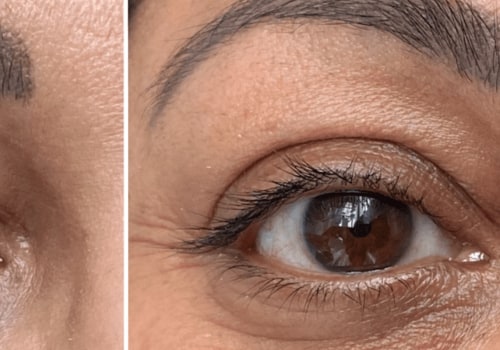
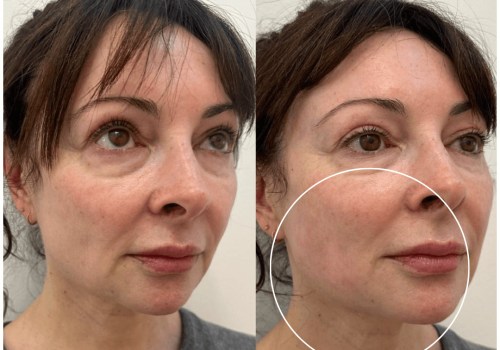
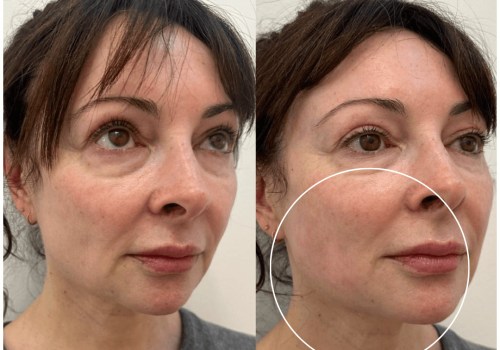
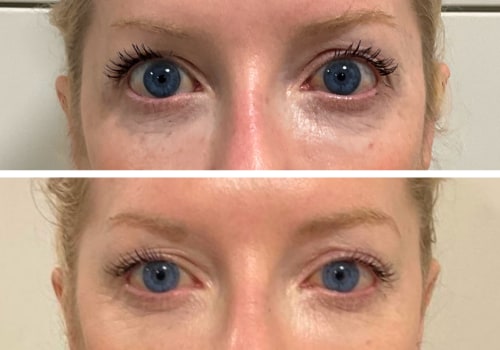
Polynucleotides are increasingly recognised as a groundbreaking advancement in the field of regenerative medicine, offering innovative solutions for skin treatment and overall tissue repair. These naturally occurring biopolymers, composed of long chains of nucleotides, play a crucial role in cellular functions, including the synthesis of proteins and the regulation of cellular activities. Their significance extends beyond basic biological processes; they are now being harnessed to enhance skin quality and promote healing at a cellular level.The latest developments in polynucleotide technology, particularly those pioneered by Mastelli, have opened new avenues for aesthetic and therapeutic applications. Mastelli's polynucleotides are derived from high-quality sources, such as DNA fragments extracted from Italian trout, ensuring a product that is both effective and safe for use in various skin treatments.
This innovative approach not only stimulates fibroblast activity but also significantly boosts collagen production, which is essential for maintaining skin elasticity and firmness.As we delve deeper into the world of polynucleotides, it becomes evident that their integration into skincare regimens represents a paradigm shift in how we approach anti-aging and skin rejuvenation. The unique properties of Mastelli's formulations, which combine polynucleotides with hyaluronic acid and other beneficial compounds, provide a multifaceted approach to treating common skin concerns such as acne scars, wrinkles, and overall skin damage. This section will explore the latest innovations in Mastelli's polynucleotide offerings and their transformative impact on regenerative medicine.
What Are Polynucleotides?
Polynucleotides are essential biomolecules composed of long chains of nucleotide units, which are the building blocks of nucleic acids such as DNA and RNA. Each nucleotide consists of three components: a nitrogenous base, a sugar molecule, and a phosphate group.The sequence and arrangement of these nucleotides determine the genetic information carried by the polynucleotide, playing a crucial role in various biological processes.There are two primary types of polynucleotides: deoxyribonucleic acid (DNA) and ribonucleic acid (RNA). DNA is typically double-stranded and serves as the genetic blueprint for all living organisms, encoding the instructions necessary for growth, development, and reproduction. In contrast, RNA is usually single-stranded and plays several roles in the expression of genes, including messenger RNA (mRNA), which conveys genetic information from DNA to ribosomes for protein synthesis.The biological functions of polynucleotides extend beyond mere genetic coding. They are involved in:
- Protein Synthesis: mRNA transcribes genetic information from DNA and translates it into proteins, which perform various functions within cells.
- Regulation: Certain types of RNA, such as microRNA (miRNA) and small interfering RNA (siRNA), regulate gene expression by inhibiting or promoting the translation of specific mRNAs.
- Cellular Repair: Polynucleotides play a vital role in cellular repair mechanisms, helping to fix damaged DNA and maintain genomic integrity.
- Cell Signalling: Some polynucleotides are involved in cellular signalling pathways that control cell growth, differentiation, and apoptosis (programmed cell death).
Their ability to stimulate cellular regeneration and repair damaged tissues has led to innovative treatments in aesthetic medicine, particularly in skin rejuvenation therapies. By harnessing the power of polynucleotides, practitioners can enhance skin quality, promote collagen production, and improve overall skin health.
The Role of Polynucleotides in Regenerative Medicine
Polynucleotides have emerged as a pivotal component in the field of regenerative medicine , offering innovative solutions for tissue repair and healing. These naturally occurring polymers, composed of nucleotide sequences, play a crucial role in cellular functions, including the regulation of gene expression and the synthesis of proteins essential for tissue regeneration.One of the primary mechanisms through which polynucleotides facilitate healing is by enhancing the proliferation and activity of fibroblasts. Fibroblasts are vital cells in connective tissue that produce collagen, elastin, and other extracellular matrix components.By stimulating these cells, polynucleotides significantly boost the production of collagen types I and III, which are fundamental for maintaining skin structure and elasticity.Moreover, polynucleotides contribute to the healing process by:
- Promoting Angiogenesis: They encourage the formation of new blood vessels, ensuring that damaged tissues receive adequate oxygen and nutrients necessary for recovery.
- Reducing Inflammation: Polynucleotides possess anti-inflammatory properties that help mitigate excessive inflammatory responses, which can hinder healing.
- Enhancing Cell Migration: They facilitate the movement of various cell types to the site of injury, accelerating the repair process.
This synergistic effect not only improves aesthetic outcomes but also promotes long-term skin health.In conclusion, the role of polynucleotides in regenerative medicine is multifaceted and transformative. Their ability to enhance cellular activity, promote healing processes, and improve tissue quality makes them an invaluable asset in modern medical treatments.
Mastelli's Latest Innovation: The Newest Polynucleotide Product
Mastelli's latest product, known as Newest , represents a significant advancement in the field of regenerative medicine, particularly in the realm of aesthetic treatments. This innovative formulation combines the power of polynucleotides with hyaluronic acid, creating a unique gel that is designed to rejuvenate and restore skin health.The core component of Newest is its highly purified polynucleotide technology, referred to as PN-HPT. Derived from DNA fragments sourced from Italian trout, this patented extraction and purification process ensures that the polynucleotides maintain their efficacy and biological activity.These polynucleotides play a crucial role in stimulating fibroblast activity, which is essential for collagen production and tissue repair.In addition to polynucleotides, Newest incorporates non-cross-linked hyaluronic acid, a substance renowned for its hydrating properties. Hyaluronic acid not only provides moisture but also enhances the overall texture and elasticity of the skin. The combination of these two powerful ingredients results in a synergistic effect that promotes skin regeneration and revitalisation.One of the standout features of Mastelli's Newest product is the inclusion of mannitol. This ingredient serves multiple purposes: it acts as an antioxidant, helps to stabilise hyaluronic acid, and significantly reduces its degradation by up to 34%.
This means that the benefits of hyaluronic acid are prolonged, allowing for sustained hydration and improved skin quality over time.The clinical benefits of using Newest are impressive. Studies have shown that after a series of treatments, patients experience notable improvements in skin elasticity (up to 39.6%), brightness (51.1%), and a reduction in wrinkles and roughness (17.1%). Such results make Newest an excellent choice for individuals seeking to address issues related to acne scars, significant skin damage, or signs of aging.Administered via intradermal injections into areas such as the face, neck, and décolleté, Mastelli's Newest product offers a comprehensive solution for those looking to enhance their skin's appearance and health. With over 70 years of expertise in polynucleotide research, Mastelli continues to lead the way in innovative skincare solutions that harness the body's natural healing processes.
How Mastelli's Newest Works: Mechanism of Action
Mastelli's Newest product operates through a sophisticated mechanism that targets the fundamental building blocks of skin health.At the core of its efficacy are polynucleotides , which play a pivotal role in cellular regeneration and repair. These biomolecules are derived from DNA fragments, specifically extracted from Italian trout, and are known for their ability to stimulate fibroblast activity.
Fibroblasts
are essential cells in the dermis responsible for producing collagen, elastin, and other components of the extracellular matrix. When introduced into the skin via intradermal injections, the polynucleotides in Newest activate these fibroblasts, leading to enhanced cellular proliferation and activity. This stimulation is crucial for maintaining skin elasticity and firmness, as fibroblasts are directly involved in collagen synthesis.The unique formulation of Newest combines polynucleotides with hyaluronic acid and mannitol, creating a synergistic effect that amplifies its regenerative properties.
Hyaluronic acid is renowned for its hydrating capabilities, attracting moisture to the skin and providing a plumping effect. When paired with polynucleotides, it not only hydrates but also supports the structural integrity of the skin by facilitating collagen deposition.Mannitol serves a dual purpose in this formulation. Firstly, it acts as an antioxidant, protecting hyaluronic acid from degradation. Studies have shown that mannitol can reduce the breakdown of hyaluronic acid by up to 34%, ensuring that the skin retains moisture for longer periods.
Secondly, it enhances the overall stability of the product, allowing for prolonged effectiveness in tissue regeneration.The result of this intricate interplay between polynucleotides, hyaluronic acid, and mannitol is a significant increase in collagen production—up to 60% for collagen types I and III—and a 35% boost in fibronectin levels. Fibronectin is vital for wound healing and tissue repair, further underscoring the comprehensive benefits of Mastelli's Newest.In clinical studies, patients have reported remarkable improvements in skin texture and elasticity following treatment with Newest. The combination of these ingredients not only rejuvenates the skin but also addresses various concerns such as acne scars and signs of aging. By harnessing the power of polynucleotides, Mastelli has positioned Newest as a groundbreaking solution in regenerative dermatology.
Clinical Evidence Supporting Mastelli's Newest Efficacy
Recent clinical studies have provided compelling evidence regarding the efficacy of Mastelli's Newest product, particularly in enhancing skin quality and addressing a variety of skin concerns.The innovative formulation, which combines polynucleotides with hyaluronic acid and mannitol, has been the subject of rigorous research aimed at quantifying its benefits.One notable study involved a cohort of participants suffering from significant skin damage and aging. Over the course of three treatment sessions, patients received injections of the Newest gel into targeted areas such as the face, neck, and décolleté. The results were remarkable:
- Skin Elasticity: An impressive 39.6% improvement in skin elasticity was recorded, indicating a substantial enhancement in the skin's ability to stretch and recover.
- Skin Brightness: Participants experienced a 51.1% increase in skin brightness, suggesting that the treatment effectively revitalised dull and tired-looking skin.
- Reduction in Wrinkles: The study also noted a 17.1% decrease in wrinkles and overall skin roughness, highlighting the anti-aging properties of the polynucleotide treatment.
The addition of hyaluronic acid further enhances hydration levels within the skin, creating a synergistic effect that promotes overall skin health.Moreover, mannitol's inclusion in the formulation has been clinically proven to reduce the degradation of hyaluronic acid by 34%, thereby prolonging its effectiveness and ensuring sustained results over time. This combination not only addresses immediate aesthetic concerns but also contributes to long-term skin rejuvenation.The clinical evidence supporting Mastelli's Newest product underscores its potential as a transformative treatment option for individuals seeking to improve their skin quality. As more studies emerge, it is clear that polynucleotide treatments are paving the way for advanced solutions in regenerative medicine and aesthetic dermatology.
Applications of Mastelli's Newest in Aesthetic Treatments
Mastelli's Newest product has emerged as a groundbreaking solution in the realm of aesthetic treatments, particularly for its remarkable efficacy in addressing various skin concerns. This innovative formulation, which combines polynucleotides with hyaluronic acid and mannitol, offers a multifaceted approach to skin rejuvenation, making it a versatile option for both practitioners and patients.One of the primary applications of Newest is in the treatment of acne scars.Acne can leave behind significant marks that affect an individual's self-esteem and overall appearance. The unique properties of polynucleotides in Newest work at a cellular level to stimulate fibroblast activity, which is crucial for collagen production. By enhancing collagen synthesis, Newest aids in the repair of damaged skin, leading to a noticeable reduction in the appearance of scars. Clinical studies have shown that patients experience improved skin texture and tone after a series of treatments, making it an effective option for those seeking to diminish the long-term effects of acne.In addition to its benefits for acne scars, Mastelli's Newest is also highly regarded for its anti-aging solutions.
As we age, our skin naturally loses elasticity and hydration, leading to wrinkles and sagging. The combination of polynucleotides and hyaluronic acid in Newest not only hydrates the skin but also promotes the production of collagen types I and III, which are essential for maintaining skin firmness and elasticity. This dual action helps to combat visible signs of aging, resulting in smoother, plumper skin.Furthermore, the inclusion of mannitol plays a pivotal role in enhancing the longevity and effectiveness of hyaluronic acid within the formulation. Mannitol acts as a stabilising agent that reduces the degradation of hyaluronic acid by up to 34%, ensuring that patients receive prolonged benefits from each treatment session.
This characteristic makes Newest an attractive option for individuals looking for long-lasting results without frequent interventions.Overall, Mastelli's Newest product stands out as a comprehensive solution for aesthetic treatments. Its ability to address both acne scars and signs of aging positions it as a valuable tool in modern dermatology. As more practitioners adopt this innovative treatment into their practices, patients can look forward to achieving healthier, rejuvenated skin with minimal downtime.
Comparing Mastelli's Newest with Other Treatments
In the ever-evolving landscape of aesthetic treatments, Mastelli's Newest stands out as a pioneering solution that leverages the power of polynucleotides. To fully appreciate its unique advantages, it is essential to compare it with other popular dermal fillers and treatments available on the market.Comparison with Traditional Fillers
- Hyaluronic Acid Fillers: While traditional hyaluronic acid (HA) fillers are widely used for their immediate volumising effects, they primarily provide temporary results.
In contrast, Mastelli's Newest not only offers hydration through HA but also promotes long-term skin regeneration by stimulating collagen and elastin production. This dual action makes it a more comprehensive treatment option.
- Calcium Hydroxylapatite Fillers: These fillers are known for their ability to provide structural support and stimulate collagen production. However, they can sometimes lead to a more rigid feel under the skin. Newest, with its polynucleotide formulation, offers a softer, more natural feel while still enhancing skin elasticity and firmness.
- Poly-L-lactic Acid Fillers: These stimulate collagen production over time but require multiple sessions to achieve optimal results.
Newest provides noticeable improvements in skin quality after just a few treatments, making it a more efficient choice for those seeking quicker outcomes.
Advantages of Polynucleotide Treatments
- Cellular Regeneration: The polynucleotides in Newest work at a cellular level to repair and rejuvenate tissues, offering benefits that go beyond mere volume enhancement.
- Improved Skin Quality: Clinical studies have shown significant improvements in skin elasticity, brightness, and reduction in wrinkles after treatment with Newest, highlighting its effectiveness in addressing signs of aging.
- Reduced Downtime: Unlike some invasive procedures that require extended recovery periods, treatments with Newest typically involve minimal downtime, allowing patients to resume their daily activities almost immediately.
Treatment Options
Mastelli's Newest is versatile and can be used on various areas of the body, including the face, neck, and décolleté. This adaptability makes it an excellent choice for individuals looking to address multiple concerns simultaneously. Whether treating acne scars or signs of aging, Newest provides a holistic approach to skin rejuvenation that is unmatched by many conventional fillers.In summary, while there are numerous fillers available today, Mastelli's Newest offers a unique blend of immediate and long-term benefits through its innovative use of polynucleotides. This positions it as a superior option for those seeking effective and lasting skin rejuvenation solutions.
Safety and Side Effects of Polynucleotide Treatments
As with any medical treatment, understanding the safety profile of polynucleotide injections is crucial for patients considering this innovative approach to skin rejuvenation and tissue repair.Polynucleotides, particularly those used in products like Mastelli Newest, have been extensively studied for their efficacy and safety. However, it is essential to be aware of potential side effects and patient considerations before undergoing treatment.Polynucleotide treatments are generally well-tolerated, with most patients experiencing minimal adverse effects. Commonly reported side effects include:
- Injection site reactions: These may manifest as redness, swelling, or tenderness at the injection site. Such reactions are typically mild and resolve within a few hours to a few days.
- Bruising: Some patients may experience bruising following the injection, particularly if they are prone to bruising or if the procedure involves multiple injection points.
- Itching or discomfort: A temporary sensation of itching or discomfort may occur as the body adjusts to the injected material.
- Allergic reactions: Although uncommon, some individuals may have an allergic reaction to components in the formulation.
Symptoms can range from mild itching to more severe reactions requiring medical attention.
- Infection: As with any injection procedure, there is a slight risk of infection. Ensuring that the treatment is performed in a sterile environment by a qualified professional can mitigate this risk.
- Nodules or lumps: In rare cases, patients may develop small nodules at the injection site due to improper technique or over-injection.
- Medical history: Individuals with a history of allergies or skin conditions should discuss these with their practitioner to determine suitability for treatment.
- Consultation with a qualified professional: A thorough consultation with a licensed practitioner experienced in administering polynucleotide injections is essential. They can provide tailored advice based on individual skin types and concerns.
- Post-treatment care: Following treatment, patients should adhere to aftercare instructions provided by their practitioner to minimise side effects and enhance results.
'Frequently Asked Questions' About Mastelli Polynucleotides
As the popularity of Mastelli's polynucleotide products continues to rise, many potential users have questions regarding their efficacy, safety, and application.Below are some frequently asked questions that provide clarity on these innovative treatments.
- What are polynucleotides?
Polynucleotides are biopolymers made up of nucleotide sequences that play a crucial role in cellular functions. In the context of skincare and regenerative medicine, they are used to stimulate tissue repair and enhance skin quality by promoting collagen production and fibroblast activity. - How does Mastelli's polynucleotide treatment work?
Mastelli's polynucleotide treatments, such as Newest, utilise a unique formulation that combines highly purified polynucleotides with hyaluronic acid and mannitol. This combination not only hydrates the skin but also enhances the regeneration of fibroblasts, leading to increased collagen and elastin production. - Is the treatment safe?
Yes, Mastelli's polynucleotide products have undergone rigorous clinical testing to ensure their safety and efficacy. The ingredients are sourced from high-quality materials, and the patented extraction process ensures that they are free from contaminants. - What areas can be treated with Mastelli's polynucleotide products?
The Newest treatment is versatile and can be applied to various areas including the face, neck, and décolleté.It is particularly effective for addressing issues such as acne scars, skin damage, and signs of aging.
- How many sessions are required for optimal results?
While individual results may vary, clinical studies suggest that a series of three treatments can significantly improve skin elasticity, brightness, and reduce wrinkles. A tailored treatment plan can be developed with a qualified practitioner based on individual skin needs. - Are there any side effects associated with the treatment?
Most patients experience minimal side effects such as mild swelling or redness at the injection site. These effects typically resolve within a few hours to a couple of days. It is essential to consult with a healthcare professional to discuss any concerns prior to treatment.
Always consult with a qualified practitioner to address specific concerns and tailor the treatment to your individual needs.
'Conclusion: The Future of Polynucleotide Treatments'
As we look towards the future of polynucleotide treatments, it is evident that the advancements in regenerative medicine are paving the way for innovative solutions that can significantly enhance skin health and overall tissue repair. The recent developments by Mastelli, particularly with their patented formulations, highlight a promising trajectory for the integration of polynucleotides in aesthetic and therapeutic applications.The unique properties of polynucleotides, especially when combined with hyaluronic acid and mannitol, offer a multifaceted approach to skin rejuvenation. These components not only stimulate collagen production but also improve hydration and elasticity, addressing various skin concerns such as aging, scarring, and damage from environmental factors. The clinical results observed with products like Mastelli Newest demonstrate substantial improvements in skin texture and appearance, suggesting that polynucleotide treatments could become a cornerstone in dermatological practices.Moreover, the ongoing research into the mechanisms of action of polynucleotides continues to unveil their potential beyond cosmetic applications.As scientists delve deeper into their regenerative capabilities, we may see polynucleotides being utilised in more complex medical scenarios, such as wound healing and tissue engineering. This could revolutionise how we approach recovery from injuries and surgeries, providing patients with faster and more effective healing options.In conclusion, the future of polynucleotides in regenerative medicine appears bright. With companies like Mastelli leading the charge through continuous innovation and rigorous clinical testing, we can anticipate a new era where these biological tools not only enhance aesthetic outcomes but also contribute to significant advancements in health care. As the field evolves, it will be crucial for practitioners to stay informed about these developments to offer patients the most effective treatments available.