Polynucleotides are fascinating biomolecules that play a crucial role in various biological processes. Composed of long chains of nucleotides, these compounds are essential for the storage and transfer of genetic information in living organisms. In the context of cosmetic treatments, polynucleotides have emerged as a revolutionary option for skin rejuvenation, offering a unique approach to enhancing skin quality and appearance.At their core, polynucleotides function by interacting with skin cells at a cellular level. When injected into the skin, they stimulate cellular activity, promoting hydration and encouraging the regeneration of new skin cells.
This process not only helps to improve the overall texture and elasticity of the skin but also aids in reducing the visibility of fine lines, wrinkles, and other signs of ageing. The benefits of polynucleotides extend beyond mere cosmetic enhancements; they also play a role in healing and repairing damaged tissues.One of the standout features of polynucleotides is their ability to boost collagen production. Collagen is a vital protein that provides structure and support to the skin, and its natural levels decline with age. By stimulating collagen synthesis, polynucleotides help restore firmness and elasticity, resulting in a more youthful appearance.
Additionally, these injectable treatments can improve skin hydration, making it look plumper and healthier.In summary, polynucleotides represent a significant advancement in aesthetic medicine. Their unique composition and mechanism of action make them an effective solution for those seeking to enhance their skin's quality while addressing various concerns such as wrinkles, uneven texture, and loss of elasticity. As we delve deeper into the applications and effectiveness of polynucleotide treatments, it becomes clear that they offer promising results for individuals looking to rejuvenate their skin.
How Polynucleotides Work
Polynucleotides are increasingly recognised for their remarkable ability to enhance skin health through a variety of biological mechanisms. Understanding how polynucleotides work is essential for anyone considering this treatment, as it sheds light on the cellular effects that contribute to improved skin quality.At the core of their function, polynucleotides act at the cellular level, initiating a cascade of biological processes that promote skin rejuvenation.When injected into the skin, these compounds interact with surrounding cells, primarily fibroblasts, which are crucial for collagen production. This interaction stimulates fibroblasts to increase the synthesis of collagen and elastin, two proteins that are vital for maintaining skin structure and elasticity.Moreover, polynucleotides enhance hydration within the skin. They possess a unique ability to attract and retain moisture, which is essential for maintaining skin plumpness and reducing the appearance of fine lines and wrinkles. This hydrating effect is particularly beneficial for individuals with dry or dehydrated skin, as it helps restore a youthful glow.Another significant aspect of how polynucleotides work is their role in promoting cell renewal.
By stimulating cellular turnover, they encourage the shedding of old, damaged skin cells and the emergence of new, healthy ones. This process not only improves overall skin texture but also aids in reducing hyperpigmentation and uneven skin tone.In addition to these primary effects, polynucleotides exhibit anti-inflammatory properties. This characteristic is particularly advantageous for individuals suffering from conditions such as acne or rosacea, as it helps to calm irritated skin and reduce redness.In summary, the mechanism of action of polynucleotides encompasses:
- Collagen and elastin stimulation: Enhancing skin firmness and elasticity.
- Hydration: Attracting moisture to improve skin plumpness.
- Cell renewal: Promoting the turnover of damaged cells for a healthier appearance.
- Anti-inflammatory effects: Reducing irritation and redness in sensitive skin.
Clinical Evidence Supporting Polynucleotide Treatments
Numerous clinical studies have been conducted to evaluate the efficacy of polynucleotide treatments in enhancing skin quality and appearance.These studies provide compelling evidence that polynucleotides can significantly improve various skin conditions, making them a valuable option in aesthetic medicine.One notable study published in the Journal of Cosmetic Dermatology examined the effects of polynucleotide injections on skin rejuvenation. The researchers found that patients who received polynucleotide treatments reported a marked improvement in skin texture and elasticity after a series of sessions. Specifically, 80% of participants noted a reduction in fine lines and wrinkles, with results becoming more pronounced over a three-month period.Another clinical trial focused on the use of polynucleotides for treating hyperpigmentation and uneven skin tone. This study involved a diverse group of participants with varying skin types and conditions.
The results indicated that polynucleotide injections not only helped to lighten hyperpigmented areas but also promoted an overall evenness in skin tone. Participants experienced a significant increase in collagen production, which is crucial for maintaining youthful skin.Furthermore, research has highlighted the anti-inflammatory properties of polynucleotides. A study published in Dermatologic Surgery demonstrated that polynucleotide treatments could effectively reduce inflammation associated with acne scars and other skin blemishes. By promoting cellular regeneration, these injections facilitate faster healing and improved skin appearance.The regenerative capabilities of polynucleotides extend beyond mere cosmetic enhancements.
A recent investigation into their effects on hair restoration revealed promising outcomes. Patients receiving polynucleotide injections reported increased hair density and improved scalp health, suggesting that these treatments may also play a role in addressing hair loss issues.In summary, the clinical evidence supporting the use of polynucleotides is robust, showcasing their effectiveness in improving skin texture, reducing signs of aging, and addressing various dermatological concerns. As research continues to evolve, it is clear that polynucleotide treatments offer a multifaceted approach to skin rejuvenation, making them an attractive option for those seeking long-lasting results.
Benefits of Using Polynucleotides for Skin Rejuvenation
Polynucleotide injections have gained significant attention in the realm of skin rejuvenation, primarily due to their multifaceted benefits. These injectable treatments are designed to enhance skin quality and appearance, making them a popular choice for individuals seeking a more youthful look.One of the most notable advantages of polynucleotides is their ability to reduce wrinkles.As we age, our skin loses collagen and elasticity, leading to the formation of fine lines and deeper wrinkles. Polynucleotides work by stimulating collagen production at the cellular level, which helps to restore skin firmness and smoothness. This process not only diminishes existing wrinkles but also prevents new ones from forming.In addition to wrinkle reduction, polynucleotides significantly improve skin elasticity. The treatment promotes the regeneration of skin cells, allowing for a more resilient and supple texture.
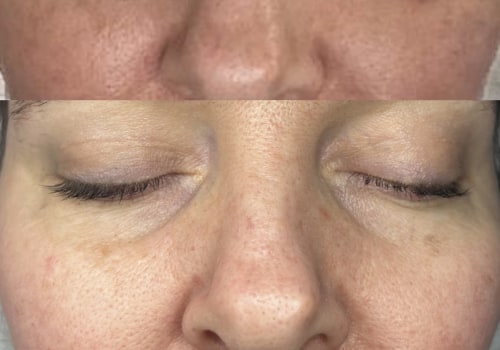
Enhanced elasticity means that the skin can better withstand environmental stressors, such as UV exposure and pollution, which are known to accelerate the aging process.Another key benefit of polynucleotide injections is their ability to hydrate the skin. By attracting moisture to the skin's surface, these treatments help combat dryness and promote a healthy glow. This hydration effect is particularly beneficial for individuals with dehydrated or dull skin, as it revitalises the complexion and enhances overall radiance.Moreover, polynucleotides are effective in addressing various skin concerns beyond just wrinkles and hydration. They can help reduce the appearance of hyperpigmentation , uneven skin tone, and even scarring.
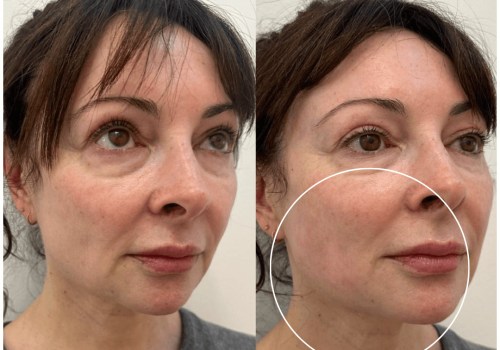
By promoting cell turnover and renewal, polynucleotides assist in fading dark spots and improving overall skin texture.Furthermore, polynucleotide treatments are known for their long-lasting results. While initial improvements may be visible within a few weeks, the full effects typically manifest after three months. Patients can enjoy smoother, firmer skin for up to six months following treatment, making it a worthwhile investment in skincare.In summary, the benefits of using polynucleotides for skin rejuvenation are extensive. From reducing wrinkles and enhancing elasticity to improving hydration and addressing pigmentation issues, these injectable treatments offer a comprehensive solution for those looking to revitalise their appearance.
As always, consulting with a qualified professional is essential to determine if polynucleotide injections are suitable for your specific skincare needs.
Potential Side Effects and Considerations
While polynucleotide injections offer numerous benefits for skin rejuvenation, it is essential to be aware of potential side effects and risks associated with the treatment. Understanding these factors can help individuals make informed decisions and ensure a safe experience.Common Side Effects
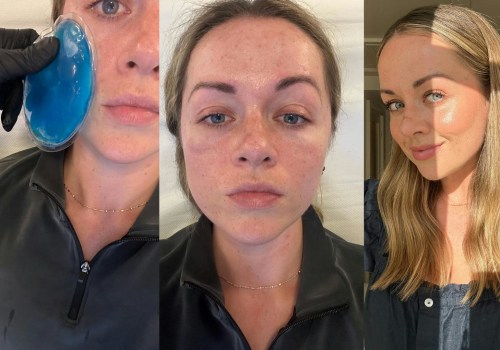
As with any injectable treatment, polynucleotide injections may lead to some common side effects. These can include:- Swelling: Mild swelling at the injection site is a frequent occurrence, typically subsiding within a few days.
- Bruising: Some patients may experience bruising, which can vary in severity depending on individual skin sensitivity and the technique used during the injection.
- Pain or Discomfort: A slight sensation of pain or discomfort may be felt during and after the procedure, but this is usually temporary.
- Redness: Temporary redness around the injection site is common and generally resolves quickly.
Less Common Risks
Although rare, there are some less common risks associated with polynucleotide treatments that should be considered:- Infection: As with any procedure that involves injections, there is a risk of infection. Ensuring that the treatment is performed in a sterile environment by a qualified professional can mitigate this risk.
- Allergic Reactions: Some individuals may have allergic reactions to the components of polynucleotides, particularly if they have fish allergies.
It is crucial to disclose any allergies to your practitioner before treatment.
- Nodules or Lumps: In rare cases, patients may develop small nodules or lumps at the injection site, which may require additional treatment to resolve.
Considerations Before Treatment
Before undergoing polynucleotide injections, several considerations should be taken into account:- Consultation with a Professional: It is vital to consult with a qualified dermatologist or aesthetic practitioner who has experience with polynucleotide treatments. They can assess your skin type, discuss your goals, and determine if this treatment is suitable for you.
- Your Medical History: Be sure to inform your practitioner about your complete medical history, including any medications you are taking and previous cosmetic procedures. This information will help them tailor the treatment to your needs.
- Avoiding Certain Medications: It may be advisable to avoid blood-thinning medications or supplements before treatment to reduce the risk of bruising and swelling.
Comparing Polynucleotides to Other Treatments
When considering options for skin rejuvenation, it is essential to understand how polynucleotides compare to other popular treatments, such as dermal fillers and hyaluronic acid injections.Each of these treatments has its unique benefits and mechanisms of action, making them suitable for different skin concerns.
Polynucleotides vs Dermal Fillers
- Mechanism of Action: Dermal fillers primarily work by adding volume to specific areas of the face, effectively plumping up wrinkles and fine lines. In contrast, polynucleotides function at a cellular level, stimulating the body’s natural processes to enhance skin quality over time. This means that while fillers provide immediate results, polynucleotides require a few weeks to show their full effects.
- Longevity of Results: The results from dermal fillers can last anywhere from six months to two years, depending on the type used. However, polynucleotide treatments typically offer results that can last up to six months, with ongoing maintenance recommended for sustained benefits.
- Skin Quality Improvement: While dermal fillers can improve the appearance of wrinkles and hollows, they do not address underlying skin quality issues such as hydration and elasticity.
Polynucleotides, on the other hand, promote collagen production and enhance skin hydration, leading to a more comprehensive improvement in skin texture and tone.
Differences Between Polynucleotides and Other Injectables
Unlike traditional injectables that focus on volumisation, polynucleotides are designed to rejuvenate the skin by enhancing its natural regenerative processes. This makes them particularly effective for individuals looking for a more holistic approach to skincare. For instance, while hyaluronic acid injections provide immediate hydration and volume, they may not stimulate collagen production as effectively as polynucleotides do.
Treatment Options for Skin Rejuvenation
When exploring treatment options for skin rejuvenation, it is crucial to consider individual skin concerns and desired outcomes. For those seeking immediate volume enhancement, dermal fillers may be the preferred choice.
However, if the goal is to improve overall skin quality and promote long-term rejuvenation, polynucleotide treatments could be more beneficial.Ultimately, consulting with a qualified professional can help determine the most suitable treatment plan tailored to individual needs. By understanding the differences between these options, patients can make informed decisions that align with their aesthetic goals.
What to Expect During a Polynucleotide Treatment Session
Undergoing a polynucleotide treatment can be an exciting yet nerve-wracking experience for many patients. Understanding what to expect during the session can help alleviate anxiety and prepare you for the process ahead.Before the treatment begins, a thorough consultation with a qualified practitioner is essential. This initial meeting allows the professional to assess your skin condition, discuss your goals, and determine if polynucleotide injections are suitable for you.During this consultation, you will also be informed about the procedure, potential side effects, and aftercare instructions.
The Treatment Process
On the day of your appointment, you will typically arrive at the clinic where the treatment will take place. The session usually lasts between 30 to 60 minutes, depending on the areas being treated. Here’s a step-by-step overview of what happens during a polynucleotide injection:
- Preparation: The treatment area will be cleansed thoroughly to remove any makeup or impurities. A topical anaesthetic may be applied to minimise discomfort during the injections.
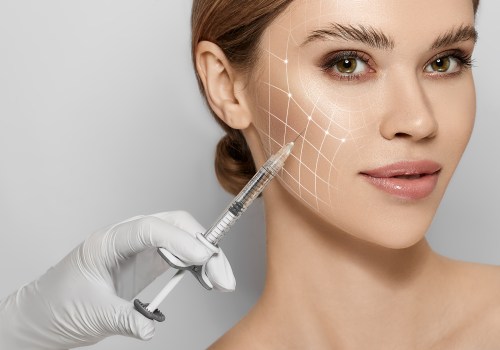
- Injection: Using a fine needle, the practitioner will inject the polynucleotide solution into specific areas of your skin.
The injections are typically administered in a series of small doses to ensure even distribution and optimal results.
- Post-Treatment Care: After the injections, you may experience mild swelling or redness at the injection sites. This is normal and usually subsides within a few hours. Your practitioner may apply a soothing gel or cream to help alleviate any discomfort.
Aftercare Recommendations
Frequently Asked Questions about Polynucleotides
As the popularity of polynucleotides continues to rise, many individuals have questions regarding their efficacy, safety, and overall treatment process.Below are some of the most frequently asked questions that can help clarify common misconceptions and provide a deeper understanding of polynucleotide treatments.
- What are polynucleotides?
Polynucleotides are injectable products derived from fish DNA, primarily salmon or trout. They are designed to promote skin rejuvenation by stimulating collagen production, enhancing hydration, and improving skin elasticity. - How do polynucleotides work?
When injected into the skin, polynucleotides interact with surrounding cells, encouraging them to regenerate and repair. This process leads to improved skin texture and firmness over time. - Are there any side effects?
While most patients tolerate polynucleotide injections well, some may experience mild swelling, redness, or bruising at the injection site. These effects typically resolve within a few days. - How long does it take to see results?
Initial improvements may be noticeable within 2 to 3 weeks; however, optimal results usually manifest around 12 weeks post-treatment.The full benefits can last for approximately six months.
- Can anyone receive polynucleotide treatments?
While many individuals can benefit from polynucleotide injections, those with fish allergies or certain medical conditions should consult a qualified professional before proceeding. - Are polynucleotides better than traditional fillers?
Unlike traditional dermal fillers that provide immediate volume, polynucleotides focus on long-term skin health by promoting natural regeneration and collagen production. This makes them a unique option for those seeking sustainable results.
Conclusion: Are Polynucleotides Right for You?
In conclusion, the question of whether polynucleotides are right for you is multifaceted and requires careful consideration of various factors. As we have explored throughout this article, polynucleotides offer a range of benefits for skin rejuvenation, including improved texture, increased hydration, and enhanced elasticity.These injectable treatments work at a cellular level, stimulating collagen production and promoting cell renewal, which can lead to significant improvements in the appearance of fine lines, wrinkles, and other skin imperfections.However, it is essential to recognise that individual responses to polynucleotide treatments can vary widely. While many patients report positive outcomes, the effectiveness of the treatment may depend on factors such as skin type, age, and specific skin concerns. Therefore, it is crucial to consult with a qualified professional who can assess your unique situation and provide tailored advice.Moreover, the timeline for seeing results from polynucleotide injections can be longer than some other cosmetic procedures. Initial improvements may be noticeable within a few weeks, but the full effects typically manifest after three months.
This delayed response may not suit everyone, particularly those seeking immediate results.Additionally, potential candidates should consider their lifestyle and commitment to ongoing maintenance treatments. The results from polynucleotide injections can last for approximately six months; thus, regular follow-up sessions may be necessary to maintain the desired effects.Ultimately, if you are contemplating polynucleotide treatments, weigh the benefits against your personal goals and expectations. Engage in an open dialogue with your dermatologist or aesthetic practitioner to discuss any concerns or questions you may have. By doing so, you can make an informed decision that aligns with your skincare objectives and overall well-being.In summary, while polynucleotides present a promising option for enhancing skin quality and appearance, it is vital to approach this treatment with realistic expectations and a clear understanding of your individual needs.