Polynucleotides are essential biomolecules composed of long chains of nucleotides, which are the building blocks of DNA and RNA. These complex structures play a pivotal role in various biological processes, including cellular repair, regeneration, and the synthesis of proteins. In recent years, the cosmetic industry has begun to harness the power of polynucleotides, particularly in the realm of skin rejuvenation and anti-ageing treatments. By understanding the biological significance of polynucleotides, we can appreciate their transformative potential in cosmetic applications.In the context of cosmetic treatments, polynucleotides are often used as injectable biostimulants that promote skin health and vitality.
When administered into the skin, they stimulate cellular activity and enhance the natural healing processes. This results in improved skin texture, increased hydration, and a more youthful appearance. The mechanism behind polynucleotide treatments involves their ability to activate fibroblasts—cells responsible for producing collagen and elastin—thereby promoting skin elasticity and firmness.The benefits of polynucleotide treatments extend beyond mere aesthetics. They can also aid in reducing inflammation, improving skin tone, and accelerating wound healing.
As a result, these treatments have gained popularity among individuals seeking not only to enhance their appearance but also to improve their overall skin health. With a growing body of research supporting their efficacy, polynucleotides are becoming a cornerstone in modern cosmetic dermatology.As we delve deeper into the science behind polynucleotide treatments, it is crucial to understand how these remarkable molecules work at a cellular level and what patients can realistically expect from their use. This foundational knowledge will set the stage for exploring the various applications and outcomes associated with polynucleotide therapies.
The Mechanism of Action of Polynucleotide Treatments
Polynucleotide treatments operate through a sophisticated mechanism that targets the cellular structures within the skin, promoting rejuvenation and regeneration. At the core of their effectiveness lies the ability of polynucleotides to stimulate cellular activity and enhance the skin's natural healing processes.When injected into the dermis, polynucleotides, which are fragments of DNA or RNA, interact with skin cells in several key ways:- Cellular Regeneration: Polynucleotides play a crucial role in cellular regeneration by promoting the proliferation of fibroblasts, the cells responsible for producing collagen and elastin.
This increase in collagen synthesis leads to improved skin elasticity and firmness.
- Anti-Inflammatory Effects: The presence of polynucleotides can modulate inflammatory responses within the skin. By reducing inflammation, they help create an optimal environment for healing and rejuvenation, which is particularly beneficial for individuals with sensitive or damaged skin.
- Hydration Enhancement: Polynucleotides have a unique ability to retain moisture within the skin. They bind water molecules, which not only hydrates the skin but also contributes to a plumper and more youthful appearance.
- Stimulation of Growth Factors: These treatments encourage the release of various growth factors that are essential for tissue repair and regeneration. This cascade of biological activity further enhances the skin's ability to heal and rejuvenate itself.
Patients often report a gradual enhancement in their skin's vitality, with results becoming more pronounced over time as cellular processes continue to evolve.In summary, the mechanism of action of polynucleotide treatments is multifaceted, involving cellular regeneration, anti-inflammatory effects, hydration enhancement, and stimulation of growth factors. This intricate interplay at the cellular level is what makes polynucleotide treatments a powerful option for those seeking effective skin rejuvenation solutions.
Benefits of Polynucleotide Treatments
Polynucleotide treatments have garnered significant attention in the realm of aesthetic medicine, primarily due to their multifaceted benefits for skin rejuvenation. These treatments harness the power of polynucleotides, which are naturally occurring molecules that play a crucial role in cellular repair and regeneration. Below, we explore the key advantages associated with polynucleotide treatments.- Enhanced Skin Texture: One of the most notable benefits of polynucleotide treatments is their ability to improve skin texture.
By stimulating collagen and elastin production, these treatments help to smooth out fine lines and wrinkles, resulting in a more youthful appearance. Clinical studies have shown that patients often report a noticeable improvement in skin smoothness and elasticity within weeks of treatment.
- Increased Hydration: Hydration is essential for maintaining healthy skin, and polynucleotide treatments excel in this area. The polynucleotides attract water molecules, enhancing the skin's moisture retention capabilities. This leads to plumper, more hydrated skin that appears radiant and revitalised.
Many patients experience a significant boost in hydration levels shortly after their treatment sessions.
- Improved Skin Tone: Uneven skin tone can be a common concern for many individuals. Polynucleotide treatments can help to even out pigmentation irregularities by promoting cellular turnover and encouraging the growth of new, healthy skin cells. As a result, patients often notice a more uniform complexion over time.
- Stimulated Healing Processes: The regenerative properties of polynucleotides extend beyond mere cosmetic improvements. They actively stimulate the body’s natural healing processes, making them beneficial for individuals recovering from various skin conditions or procedures.
This can lead to faster recovery times and improved overall skin health.
- Long-Lasting Results: Unlike some temporary cosmetic solutions, the effects of polynucleotide treatments can be long-lasting. With proper skincare maintenance and periodic follow-up treatments, patients can enjoy sustained improvements in their skin's appearance for months or even years.
Expected Results and Timeline for Polynucleotide Treatments
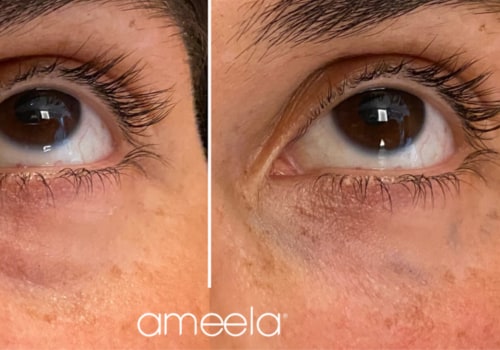
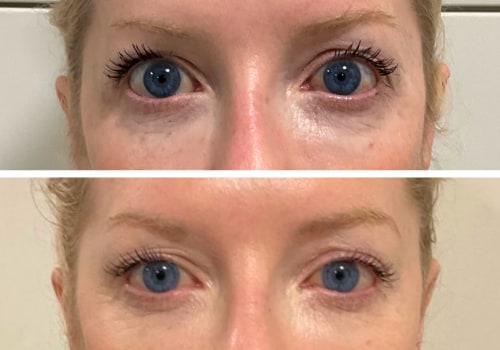
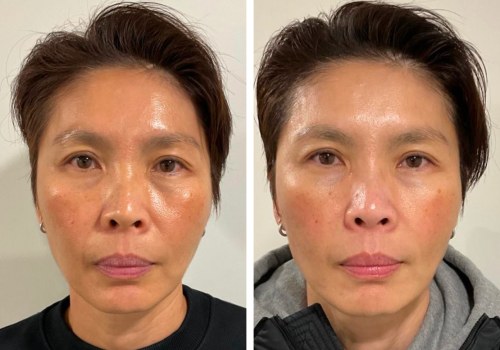
When considering polynucleotide treatments, many patients are eager to understand the expected results and the timeline for these outcomes. It is essential to set realistic expectations, as the effects of these treatments can vary significantly from person to person.Typically, patients may begin to notice subtle changes in their skin within a few weeks following the treatment.These initial improvements often include enhanced hydration and a slight increase in skin elasticity. However, the most significant results usually manifest over a more extended period, often taking up to 12 weeks for full effects to become apparent.
Understanding the Timeline
The timeline for seeing results from polynucleotide treatments can be broken down into several phases:- Weeks 1-2: During this period, patients may experience mild swelling or redness at the injection sites, which is a normal response. Initial hydration effects may start to become noticeable as the skin begins to absorb the polynucleotides.
- Weeks 3-6: As the body continues to respond to the treatment, improvements in skin texture and tone may become more evident. Patients often report a more radiant complexion and increased moisture retention.
- Weeks 7-12: This is when the full benefits of polynucleotide treatments typically emerge.
Enhanced collagen production leads to firmer, smoother skin, and any fine lines or wrinkles may appear significantly reduced.
Comparing Polynucleotides with Other Cosmetic Treatments
In the realm of cosmetic treatments, the landscape is rich with options, each promising to enhance beauty and rejuvenate the skin.Among these, polynucleotide treatments have emerged as a compelling choice, but how do they stack up against other popular procedures? To provide clarity, we will compare polynucleotides with some of the most common cosmetic treatments, including dermal fillers, Botox, and microneedling.
Polynucleotides vs. Dermal Fillers
Dermal fillers are widely used to restore volume and smooth out wrinkles. They typically contain hyaluronic acid or other substances that provide immediate results. However, while fillers can offer instant gratification, their effects are temporary, often lasting from six months to a year.Dermal fillers are widely used to restore volume and smooth out wrinkles. They typically contain hyaluronic acid or other substances that provide immediate results. However, while fillers can offer instant gratification, their effects are temporary, often lasting from six months to a year.In contrast, polynucleotide treatments work by stimulating the body’s natural healing processes and collagen production. This means that while the initial results may take longer to manifest—usually around 12 weeks—the improvements can be more sustainable and long-lasting.
Polynucleotides vs. Botox
Botox is another popular option for reducing the appearance of fine lines and wrinkles by temporarily paralyzing the muscles responsible for facial expressions. The results are quick and can last for three to six months.However, Botox does not address skin texture or hydration issues. On the other hand, polynucleotides not only improve skin elasticity and hydration but also promote overall skin health at a cellular level. This holistic approach makes polynucleotides a more comprehensive solution for those looking to rejuvenate their skin.
Polynucleotides vs. Microneedling
Microneedling is a procedure that involves creating tiny punctures in the skin to stimulate collagen production.While it can be effective for improving skin texture and reducing scars, it often requires multiple sessions for optimal results. Polynucleotide treatments can complement microneedling by enhancing the healing process post-treatment, leading to improved outcomes. Additionally, polynucleotides can provide hydration and nourishment that microneedling alone may not achieve.
Unique Advantages of Polynucleotide Treatments
- Natural Healing: Polynucleotides harness the body’s own regenerative capabilities, leading to more natural-looking results.
- Sustainability: The effects of polynucleotide treatments can last longer than many traditional options due to their ability to stimulate collagen production.
- Minimal Downtime: Unlike some invasive procedures, polynucleotide treatments typically involve minimal recovery time.
- Versatility: They can be used on various areas of the body, including the face, neck, and hands.
Safety and Side Effects of Polynucleotide Treatments
When considering any cosmetic treatment, understanding the safety profile is paramount.Polynucleotide treatments, while generally regarded as safe, are not without their potential risks and side effects. It is essential for individuals to be well-informed before proceeding with these procedures.
Understanding the Safety Profile
Polynucleotides are derived from natural sources, which contributes to their appeal in aesthetic medicine. They are designed to stimulate cellular regeneration and enhance skin quality. However, like any injectable treatment, they carry inherent risks.
The safety of polynucleotide treatments largely depends on factors such as the practitioner’s expertise, the quality of the product used, and the individual’s health status.
Common Side Effects
While many patients experience minimal discomfort, some may encounter side effects following polynucleotide injections. Commonly reported side effects include:
- Swelling: Mild swelling at the injection site is typical and usually subsides within a few days.
- Bruising: As with any injection, bruising may occur, particularly in sensitive areas.
- Pain or Discomfort: Some patients report a sensation of tenderness or pain post-treatment.
- Redness: Temporary redness around the injection site can also be expected.
Serious Risks
Although rare, more serious complications can arise from polynucleotide treatments. These may include:
- Infection: As with any procedure that breaks the skin barrier, there is a risk of infection if proper hygiene practices are not followed.
- Allergic Reactions: Some individuals may experience allergic reactions to components in the polynucleotide solution.
- Nodules or Lumps: In some cases, patients may develop nodules at the injection site due to improper technique or product placement.
Conclusion
In summary, while polynucleotide treatments offer promising benefits for skin rejuvenation and regeneration, understanding their safety profile is crucial.
By being aware of potential side effects and risks, individuals can make informed decisions and discuss any concerns with their healthcare provider before undergoing treatment.
Who is an Ideal Candidate for Polynucleotide Treatments?
Polynucleotide treatments have gained traction in the realm of aesthetic medicine, but understanding who is an ideal candidate for these procedures is crucial for achieving optimal results. Generally, individuals seeking to enhance their skin's appearance, improve hydration, and stimulate collagen production may find polynucleotide treatments particularly beneficial.Ideal Candidates
- Age Considerations: Typically, candidates aged 30 and above are more likely to benefit from polynucleotide treatments. As skin naturally loses elasticity and hydration with age, these treatments can help rejuvenate the skin.
- Skin Concerns: Those experiencing issues such as fine lines, wrinkles, uneven skin tone, or loss of volume may find polynucleotides effective in addressing these concerns. The treatment works at a cellular level to promote regeneration and healing.
- Health Status: Individuals in good overall health are ideal candidates.
A thorough consultation with a qualified practitioner can help determine if the treatment aligns with one’s health profile.
- Realistic Expectations: Candidates should have realistic expectations regarding the outcomes of the treatment. Understanding that results may take time to manifest is essential for satisfaction.
Who Should Consider Treatment?
Polynucleotide treatments are suitable for anyone looking to enhance their skin's vitality without undergoing invasive surgical procedures. They are particularly appealing to those who prefer a more natural approach to skincare and wish to avoid synthetic fillers or harsh chemicals.
Contraindications
While many individuals can benefit from polynucleotide treatments, certain contraindications must be considered:
- Pregnancy and Breastfeeding: Women who are pregnant or breastfeeding should avoid these treatments due to potential risks.
- Autoimmune Disorders: Individuals with autoimmune conditions may experience adverse reactions and should consult their healthcare provider before proceeding.
- Active Infections or Skin Conditions: Those with active infections, such as herpes simplex or severe acne, should postpone treatment until the condition is resolved.
- Allergies: A history of allergies to any components of the treatment should be disclosed during the consultation process.
Post-Treatment Care and Maintenance
After undergoing polynucleotide treatments, proper post-treatment care is essential to maximise the benefits and ensure long-lasting results.The skin is in a sensitive state following the procedure, and adhering to specific guidelines can significantly enhance recovery and overall effectiveness.
Immediate Post-Treatment Care
In the hours following your treatment, it is crucial to follow these steps:- Avoid Touching the Treated Area: Refrain from touching or applying pressure to the injection sites to prevent irritation or infection.
- Keep the Area Clean: Gently cleanse your face with a mild, non-irritating cleanser. Avoid harsh scrubs or exfoliants for at least 48 hours.
- Ice Application: If you experience swelling or discomfort, applying a cold compress can help alleviate these symptoms. Ensure that the ice is wrapped in a cloth to protect your skin.
- Stay Hydrated: Drink plenty of water to support skin hydration and overall recovery.
Long-Term Maintenance Tips
To maintain the results of your polynucleotide treatment, consider incorporating the following practices into your skincare routine:- Moisturisation: Use a high-quality moisturiser daily to keep your skin hydrated. Look for products containing hyaluronic acid or glycerin for optimal hydration.
- Sun Protection: Protect your skin from UV damage by applying a broad-spectrum sunscreen with at least SPF 30 every day, even on cloudy days.
This is vital as sun exposure can hinder healing and diminish results.
- Avoid Harsh Products: Steer clear of products containing retinoids, alpha hydroxy acids (AHAs), or beta hydroxy acids (BHAs) for at least two weeks post-treatment, as they can irritate sensitive skin.
- Regular Follow-Ups: Schedule follow-up appointments with your practitioner to assess your progress and discuss any additional treatments that may be beneficial.
Nourishing Your Skin
In addition to topical care, consider incorporating supplements that promote skin health. Vitamins C and E, along with omega-3 fatty acids, can support skin regeneration and enhance the effects of polynucleotide treatments.By adhering to these post-treatment care guidelines and maintenance tips, you can significantly improve the longevity of your results from polynucleotide treatments, ensuring that your skin remains rejuvenated and vibrant for an extended period.Conclusion: The Future of Polynucleotide Treatments in Aesthetic Medicine
As we draw our exploration of polynucleotide treatments to a close, it is essential to reflect on the significant advancements and the promising future these innovative therapies hold within the realm of aesthetic medicine. Throughout this guide, we have delved into the intricate mechanisms by which polynucleotides operate, their remarkable ability to stimulate cellular regeneration, and the myriad benefits they offer for skin rejuvenation.The evidence supporting the efficacy of polynucleotide treatments continues to grow, with numerous studies highlighting their potential to enhance skin texture, improve hydration levels, and promote overall skin health. As patients increasingly seek non-invasive solutions that deliver natural-looking results, polynucleotides stand out as a compelling option.Their biocompatibility and minimal side effects further solidify their place in modern aesthetic practices.Looking ahead, the future of polynucleotide treatments appears bright. Ongoing research is likely to uncover even more applications for these versatile agents, potentially expanding their use beyond facial aesthetics to other areas such as hair restoration and scar treatment. The adaptability of polynucleotides makes them an exciting subject for further investigation, with possibilities that could revolutionise how we approach various dermatological concerns.Moreover, as technology advances, we can anticipate enhancements in delivery methods and formulations that may increase the effectiveness of polynucleotide therapies. Innovations such as combination treatments that integrate polynucleotides with other modalities could yield synergistic effects, providing patients with even greater outcomes.In conclusion, the journey of polynucleotide treatments in aesthetic medicine is just beginning.
With their proven benefits and the potential for future developments, these treatments are poised to become a cornerstone of non-surgical rejuvenation strategies. As practitioners continue to embrace these advancements, patients can look forward to a new era of aesthetic possibilities that prioritise safety, efficacy, and natural results.