Polynucleotides are essential biological molecules composed of long chains of nucleotide units, which are the building blocks of DNA and RNA. These compounds play a crucial role in various cellular processes, including genetic information storage, transmission, and expression. In the context of skincare and aesthetic treatments, polynucleotides have garnered significant attention due to their remarkable regenerative properties. They are derived from natural sources, such as salmon or trout DNA, and are known for their ability to stimulate cellular repair and rejuvenation.The biological significance of polynucleotides extends beyond mere genetic functions; they are pivotal in promoting skin health and vitality.
When applied topically or injected into the skin, polynucleotides can enhance collagen production, improve skin elasticity, and reduce inflammation. This makes them particularly beneficial for individuals seeking to combat the visible signs of aging, such as fine lines, wrinkles, and uneven skin texture. By harnessing the power of these natural compounds, aesthetic treatments can effectively rejuvenate the skin at a cellular level.One of the standout benefits of polynucleotides is their ability to promote healing and regeneration. Research has shown that they can increase collagen synthesis by up to 47% within just a few weeks of treatment.
This not only improves the overall quality of the skin but also contributes to a more youthful appearance. Furthermore, polynucleotides help in reducing the depth of wrinkles and enhancing skin hydration, making them a versatile option for various skincare concerns.In summary, understanding polynucleotides is essential for anyone interested in advanced skincare solutions. Their unique composition and biological functions make them a powerful ally in the quest for healthier, more radiant skin. As we delve deeper into their applications in aesthetic medicine, it becomes clear that polynucleotides represent a promising frontier in skin rejuvenation.
How Polynucleotides Work on the Skin
Polynucleotides are remarkable biomolecules that play a crucial role in enhancing skin health through various mechanisms.Their primary function revolves around stimulating the body’s natural processes, particularly in the realms of collagen production and cell regeneration. Understanding how polynucleotides work can illuminate their effectiveness in skin rejuvenation.At the core of their action, polynucleotides facilitate the synthesis of collagen, a vital protein that provides structure and elasticity to the skin. As we age, collagen production diminishes, leading to visible signs of aging such as wrinkles and sagging skin. By injecting polynucleotides into targeted areas, we can significantly boost collagen levels.
Studies have shown that polynucleotides can increase collagen synthesis by up to 47% within just a few weeks, resulting in firmer and more youthful-looking skin.In addition to promoting collagen, polynucleotides enhance cell regeneration. They act as signalling molecules that encourage the proliferation and migration of skin cells, which is essential for repairing damaged tissue. This regenerative effect not only improves the overall texture of the skin but also aids in healing scars and reducing the appearance of fine lines.The mechanism of action of polynucleotides also involves their ability to reduce inflammation. Inflammation can hinder the skin’s healing processes and contribute to various skin conditions.
By mitigating inflammatory responses, polynucleotides create a more conducive environment for skin repair and rejuvenation.Furthermore, polynucleotides enhance hydration levels within the skin. They help retain moisture by binding water molecules, which is crucial for maintaining skin elasticity and suppleness. This hydrating effect complements their role in collagen production, as well-hydrated skin is more resilient and less prone to damage.In summary, the multifaceted action of polynucleotides on the skin encompasses stimulating collagen production, promoting cell regeneration, reducing inflammation, and enhancing hydration. These combined effects make polynucleotides a powerful ally in achieving a revitalised complexion and combating the signs of aging.
Benefits of Using Polynucleotides for Facial Treatments
Polynucleotide treatments have emerged as a revolutionary approach in aesthetic medicine, offering a multitude of benefits for facial rejuvenation.These treatments harness the power of natural nucleotides to stimulate cellular regeneration, leading to significant improvements in skin quality and appearance.One of the primary advantages of using polynucleotides for facial treatments is their ability to enhance skin texture. By promoting collagen synthesis, polynucleotides help to smooth out uneven skin surfaces, resulting in a more refined and youthful complexion. This improvement in texture is particularly beneficial for individuals struggling with rough or dull skin.In addition to enhancing texture, polynucleotides are effective in reducing the appearance of wrinkles. As we age, our skin loses elasticity and firmness, leading to the formation of fine lines and deeper wrinkles.
Polynucleotide injections stimulate the production of elastin and collagen, which are essential for maintaining skin's structural integrity. Consequently, patients often notice a visible reduction in wrinkle depth and an overall plumping effect.Another significant benefit is the enhanced hydration that polynucleotides provide. Unlike traditional hyaluronic acid fillers that can sometimes cause water retention, polynucleotides work by improving the skin's natural moisture retention capabilities. This results in a more hydrated and supple appearance, which is crucial for achieving that coveted youthful glow.Moreover, polynucleotide treatments contribute to overall skin vitality.
By promoting cell renewal and reducing inflammation, these treatments not only rejuvenate the skin but also improve its resilience against environmental stressors. Patients often report a revitalised complexion that appears healthier and more radiant.In summary, the benefits of polynucleotide treatments for the face are extensive. From improved skin texture and reduced wrinkles to enhanced hydration and overall vitality, these innovative treatments offer a comprehensive solution for those seeking to restore their skin's youthful appearance. As research continues to unveil the full potential of polynucleotides, they are set to become a staple in aesthetic practices worldwide.
Polynucleotide Treatments: What to Expect
When considering polynucleotide treatments, it is essential to understand the entire process, from preparation to the expected results.This knowledge can help alleviate any concerns and set realistic expectations for those seeking rejuvenation.
Preparation for Treatment
- Before undergoing polynucleotide injections, a thorough consultation with a qualified practitioner is crucial. During this session, your medical history will be reviewed, and your specific skin concerns will be discussed.
- The practitioner may recommend avoiding blood-thinning medications, alcohol, and certain supplements in the days leading up to the treatment to minimise bruising and swelling.
- It is also advisable to arrive at the appointment with clean skin, free from makeup or skincare products.
The Injection Process
The actual injection process is relatively straightforward and typically takes less than an hour. Here’s what you can expect:
- Local Anesthesia: To ensure comfort during the procedure, a topical anaesthetic may be applied to the treatment area.
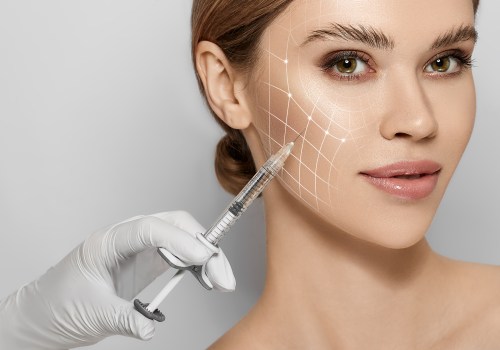
- Injection Technique: Using a fine needle, the practitioner will inject polynucleotides into targeted areas of the face. The technique may vary depending on the specific concerns being addressed, such as fine lines or loss of volume.
- Post-Treatment Care: After the injections, you may experience mild swelling or redness at the injection sites.
These effects are typically temporary and should subside within a few hours to a couple of days.
Expected Outcomes
The results of polynucleotide treatments are not immediate; instead, they develop gradually as collagen production increases and skin rejuvenation occurs. Here’s what you can generally expect:
- Initial Improvements: Many patients notice subtle improvements in skin texture and hydration within a week of treatment.
- Optimal Results: The most significant changes often become apparent between six weeks to three months post-treatment, with enhanced elasticity and reduced appearance of wrinkles.
- Longevity of Results: While individual results may vary, many patients enjoy the benefits of polynucleotide treatments for up to 12 to 18 months before maintenance sessions are recommended.
Comparing Polynucleotides with Other Aesthetic Treatments
When considering aesthetic treatments, it is essential to understand the differences between various options available, particularly polynucleotides, hyaluronic acid fillers, and Botox. Each treatment offers unique benefits and caters to different skin concerns.Polynucleotides vs Hyaluronic Acid
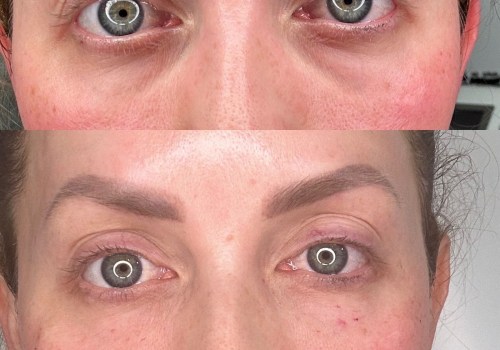
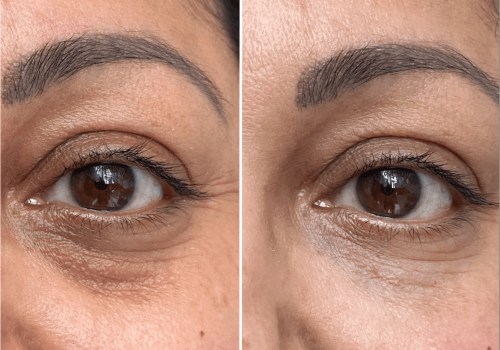
Hyaluronic acid is a popular choice for facial rejuvenation due to its ability to retain moisture and provide immediate volume.It works by attracting water to the skin, resulting in a plump and hydrated appearance. However, while hyaluronic acid fillers can provide instant results, they often require regular maintenance as the effects typically last between six to twelve months.In contrast, polynucleotides focus on stimulating the body’s natural healing processes. They promote collagen production and enhance skin elasticity over time, leading to gradual improvements in skin texture and firmness. Unlike hyaluronic acid, polynucleotides do not cause water retention, making them particularly suitable for delicate areas such as under the eyes.
Polynucleotides vs Dermal Fillers
Dermal fillers, which include hyaluronic acid and other substances, are primarily used to add volume and contour the face.They can effectively reduce the appearance of wrinkles and fine lines but do not address underlying skin health or regeneration. The results are immediate but temporary, necessitating repeat treatments.On the other hand, polynucleotide treatments offer a more holistic approach by enhancing the skin's overall quality. They work at a cellular level to rejuvenate the skin from within, leading to long-lasting results that can persist for years with proper maintenance. This regenerative effect makes polynucleotides an appealing option for those seeking not just cosmetic enhancement but also improved skin health.
Unique Advantages of Polynucleotides
- Natural Regeneration: Polynucleotides stimulate collagen and elastin production, promoting natural skin renewal.
- Long-Lasting Results: With consistent treatment, the effects of polynucleotides can last significantly longer than traditional fillers.
- Minimal Side Effects: As a natural compound derived from fish DNA, polynucleotides have a lower risk of adverse reactions compared to synthetic fillers.
- No Water Retention: Unlike hyaluronic acid, polynucleotides do not cause swelling or puffiness in treated areas.
This makes them an excellent choice for individuals looking for sustainable results in their aesthetic journey.
Safety and Side Effects of Polynucleotide Treatments
When considering any aesthetic treatment, understanding the safety profile and potential side effects is paramount. Polynucleotide treatments, known for their regenerative properties, have been extensively studied and are generally regarded as safe. However, like any medical procedure, they are not without risks.Safety Profile of Polynucleotide Treatments
Polynucleotides are derived from natural sources, such as salmon or trout DNA, and undergo rigorous purification processes to ensure their safety for human use. The high level of purification reduces the risk of allergic reactions, making these treatments suitable even for individuals with fish allergies.
Clinical studies have demonstrated a strong safety record, with minimal adverse effects reported.
Common Side Effects
While polynucleotide treatments are generally safe, some patients may experience mild side effects following the procedure. These can include:
- Swelling: Temporary swelling at the injection site is common and usually subsides within a few days.
- Bruising: Minor bruising may occur due to the injection process but typically resolves quickly.
- Pain or Discomfort: Some patients report slight discomfort during or after the injections, which can be managed with over-the-counter pain relief.
- Redness: Mild redness around the injection area is also a common reaction that usually fades within hours.
Risks Associated with Polynucleotide Injections
Although serious complications are rare, it is essential to be aware of potential risks. These may include:
- Infection: As with any injection, there is a small risk of infection if proper hygiene practices are not followed.
- Allergic Reactions: While uncommon, some individuals may experience allergic reactions to the components of the treatment.
- Nodules or Lumps: Occasionally, small nodules may form at the injection site but typically resolve on their own.
Contraindications
Certain individuals should avoid polynucleotide treatments. These include:
- Pregnant or breastfeeding women
- Individuals with active skin infections or inflammatory skin conditions
- Those with a history of severe allergic reactions to similar treatments
This thorough evaluation helps ensure that you receive safe and effective treatment tailored to your needs.
Who Can Benefit from Polynucleotide Treatments?
Polynucleotide treatments have gained significant traction in the realm of aesthetic medicine, but who exactly stands to benefit from these innovative procedures? Understanding the ideal candidates for polynucleotide treatments is crucial for anyone considering this option for skin rejuvenation.1.Age Considerations
While there is no strict age limit for polynucleotide treatments, individuals typically in their late 20s to early 60s are often the most suitable candidates. This age range usually encompasses those experiencing the initial signs of aging, such as fine lines and reduced skin elasticity. However, younger individuals with specific skin concerns, such as acne scars or uneven texture, may also find polynucleotides beneficial.
2.Skin Type and Concerns
Polynucleotide treatments are versatile and can be tailored to various skin types. Ideal candidates include:
- Individuals with Dull or Tired Skin: If your complexion appears lacklustre or fatigued, polynucleotides can help rejuvenate and revitalise your skin.
- Those with Fine Lines and Wrinkles: As polynucleotides stimulate collagen production, they are particularly effective for reducing the appearance of fine lines and wrinkles.
- People with Acne Scarring: For those struggling with the aftermath of acne, polynucleotide treatments can improve skin texture and reduce scarring.
- Individuals Experiencing Skin Laxity: If you notice sagging skin or loss of firmness, polynucleotides can enhance skin elasticity and promote a more youthful appearance.
3.Health Considerations
Before undergoing any treatment, it is essential to consider your overall health.
Individuals with certain medical conditions or those who are pregnant should consult a healthcare professional to determine if polynucleotide treatments are appropriate for them. Additionally, those with allergies to fish should discuss their options thoroughly, as some polynucleotide products are derived from fish DNA.
4.Consultation is Key
A thorough consultation with a qualified practitioner is vital in assessing your suitability for polynucleotide treatments. During this consultation, your specific skin concerns, medical history, and aesthetic goals will be evaluated to create a personalised treatment plan that aligns with your needs.In summary, polynucleotide treatments offer a promising solution for a wide range of individuals seeking to enhance their skin's appearance. By understanding the ideal candidates based on age, skin type, and specific concerns, you can make an informed decision about whether this innovative treatment is right for you.
Frequently Asked Questions about Polynucleotides
As the popularity of polynucleotide treatments continues to rise, many individuals have questions and concerns regarding their efficacy, safety, and application.Below are some of the most frequently asked questions about polynucleotides in skincare.
What are polynucleotides?
Polynucleotides are natural compounds made up of long chains of nucleotides, which are the building blocks of DNA. In skincare, they are primarily used for their regenerative properties, promoting cell renewal and enhancing skin texture.How do polynucleotides benefit the skin?
The benefits of polynucleotides for the skin include:- Stimulating collagen production: They can increase collagen levels significantly, leading to improved skin elasticity and firmness.
- Reducing inflammation: Polynucleotides help calm irritated skin, making them suitable for sensitive areas.
- Enhancing hydration: They improve overall skin hydration, resulting in a more youthful appearance.
- Promoting healing: Their regenerative properties aid in the recovery of damaged skin, including scars and signs of photoaging.
Are there any side effects associated with polynucleotide treatments?
Polynucleotide treatments are generally considered safe with minimal side effects. Some individuals may experience mild swelling or redness at the injection site, but these symptoms typically resolve quickly. It is essential to consult with a qualified practitioner to discuss any potential risks.Can anyone undergo polynucleotide treatments?
While most people can benefit from polynucleotide treatments, those with specific medical conditions or allergies should consult their healthcare provider before proceeding.A thorough consultation will help determine if this treatment is suitable for you.
How long do the results last?
The results from polynucleotide treatments can last between 12 to 18 months, depending on individual factors such as skin type and lifestyle. Regular maintenance sessions can help prolong the effects.Are there any myths about polynucleotides?
One common myth is that polynucleotides are derived from animal DNA in a way that could cause allergic reactions. However, modern purification techniques ensure that these treatments are safe even for individuals with fish allergies. Another misconception is that results are immediate; in reality, the regenerative effects take time to manifest fully.In conclusion, understanding the facts about polynucleotides can help demystify this innovative treatment and empower individuals to make informed decisions about their skincare options.Conclusion: The Future of Skincare with Polynucleotides
As we draw our exploration of polynucleotides to a close, it is evident that these remarkable compounds are poised to revolutionise the skincare industry.Their multifaceted benefits, ranging from enhanced skin rejuvenation to improved elasticity and hydration, underscore their potential as a cornerstone in modern aesthetic treatments.The ability of polynucleotides to stimulate collagen production and promote cellular regeneration is particularly noteworthy. This natural process not only aids in reducing the appearance of fine lines and wrinkles but also contributes to a more youthful and vibrant complexion. As we age, our skin's natural ability to regenerate diminishes; however, polynucleotides offer a solution that harnesses the body's innate healing capabilities.Moreover, the versatility of polynucleotide treatments extends beyond mere cosmetic enhancements. Their application in addressing various skin concerns, such as photoaging, acne scarring, and even hair loss, highlights their role as a comprehensive approach to skincare.
This adaptability makes them an attractive option for individuals seeking tailored solutions for their unique skin challenges.Looking ahead, the integration of polynucleotides into skincare regimens is likely to become increasingly prevalent. With ongoing research and clinical trials validating their efficacy and safety, practitioners are more equipped than ever to offer these innovative treatments. As consumers become more informed about the benefits of polynucleotides, demand for such advanced therapies will undoubtedly rise.In conclusion, the future of skincare with polynucleotides appears bright. By embracing these natural compounds, we can unlock new possibilities for achieving healthier, more resilient skin.
As we continue to explore the potential of polynucleotides in aesthetic medicine, it is clear that they represent not just a trend but a significant advancement in our quest for youthful vitality.