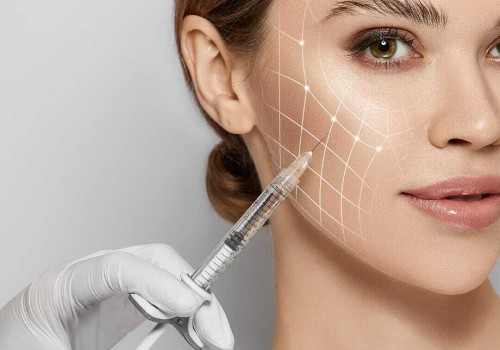
Polynucleotides are fascinating biomolecules that play a crucial role in the field of aesthetics, particularly in skin rejuvenation treatments. Composed of long chains of nucleotides, which are the building blocks of DNA and RNA, polynucleotides are derived from natural sources, most commonly from fish sperm, such as salmon or trout. This unique origin allows them to closely mimic human DNA, making them highly effective in stimulating biological processes within the skin.In recent years, polynucleotides have gained significant attention in the cosmetic industry due to their remarkable ability to enhance skin quality. They act as biostimulators, promoting the production of collagen and elastin—two essential proteins that contribute to skin firmness and elasticity.
As we age, our skin naturally loses these vital components, leading to visible signs of aging such as fine lines, wrinkles, and sagging. By introducing polynucleotides into the skin through minimally invasive injections, practitioners can effectively rejuvenate the skin from within.While the aesthetic benefits of polynucleotides are well-documented, questions regarding their safety often arise. Understanding the safety profile of polynucleotides is essential for anyone considering this treatment. Generally regarded as safe when administered by qualified professionals, polynucleotide treatments carry fewer risks compared to other injectable procedures.
However, it is important to note that individual responses may vary, and certain contraindications exist. For instance, individuals with active infections or specific autoimmune disorders should approach these treatments with caution.As we delve deeper into the topic of polynucleotides, we will explore their safety in greater detail, addressing common concerns and misconceptions while highlighting their effectiveness in achieving youthful and revitalised skin. With a growing body of research supporting their use, polynucleotides represent a promising option for those seeking non-surgical solutions to enhance their appearance.
What Are Polynucleotides?
Polynucleotides
are long chains of nucleotides, which are the basic building blocks of DNA and RNA. These molecules play a crucial role in various biological processes, including the storage and transmission of genetic information.
In the context of aesthetic treatments, polynucleotides are derived from natural sources, such as fish sperm, and are used for their regenerative properties in skin rejuvenation.When injected into the skin, polynucleotides act as biostimulators , promoting cellular activity that leads to enhanced collagen and elastin production. This process is vital for maintaining skin elasticity and firmness, which tend to diminish with age. The mechanism by which polynucleotides work involves stimulating fibroblast cells—these are the cells responsible for producing collagen and elastin in the skin. By encouraging these cells to increase their output, polynucleotides help to restore the skin's youthful appearance.The benefits of using polynucleotides in aesthetic treatments are numerous:
- Improved Skin Texture: Polynucleotides enhance the overall texture of the skin, making it smoother and more even.
- Increased Hydration: They possess hydrating properties that help to retain moisture in the skin, combating dryness and promoting a plump appearance.
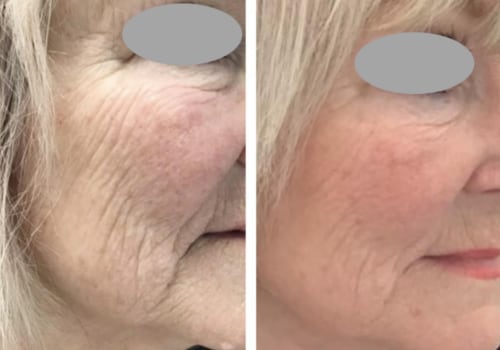
- Reduction of Fine Lines and Wrinkles: By stimulating collagen production, polynucleotides can significantly reduce the visibility of fine lines and wrinkles.
- Enhanced Skin Elasticity: The increase in elastin production contributes to improved skin elasticity, making it firmer and more resilient.
- Anti-inflammatory Effects: Polynucleotides have anti-inflammatory properties that can help soothe irritated skin and reduce redness.
- Long-lasting Results: The effects of polynucleotide treatments can last up to 12 months, making them a worthwhile investment for those seeking long-term skin rejuvenation.
Their ability to stimulate natural processes within the skin not only enhances its appearance but also promotes overall health. As more individuals seek non-invasive options for skin rejuvenation, polynucleotides are becoming an increasingly popular choice among both practitioners and clients alike.
The Safety Profile of Polynucleotide Treatments
When considering any cosmetic treatment, understanding the safety profile is paramount.Polynucleotide treatments
have gained popularity in recent years for their ability to rejuvenate the skin, but potential risks and side effects must be carefully evaluated.Generally, polynucleotide treatments are regarded as safe when administered by qualified professionals. The expertise of the practitioner plays a crucial role in minimising risks.It is essential to choose a provider with a solid reputation and appropriate training in aesthetic procedures. This ensures that the treatment is performed under optimal conditions, reducing the likelihood of complications.Despite their safety record, polynucleotide treatments are not devoid of risks. Common side effects include:
- Bruising: Minor bruising at the injection site is a frequent occurrence, typically resolving within a few days.
- Swelling: Some patients may experience swelling post-treatment, which usually subsides quickly.
- Redness: Temporary redness around the injection area can occur but generally fades shortly after.
- Allergic Reactions: Although polynucleotides are considered hypoallergenic, individuals with fish allergies should avoid these treatments due to their derivation from fish DNA.
In fact, as we age, incorporating such treatments may be beneficial for maintaining skin health and appearance. The body naturally breaks down polynucleotides over time, which helps mitigate the risk of long-lasting complications.In conclusion, while polynucleotide treatments are generally safe and effective for skin rejuvenation, it is crucial to consult with a qualified professional to assess individual suitability and ensure a safe treatment experience. Understanding both the benefits and potential risks will empower patients to make informed decisions about their aesthetic care.
Who Should Consider Polynucleotide Treatments?
Polynucleotide treatments have gained popularity in the realm of aesthetic medicine, primarily due to their ability to rejuvenate the skin by stimulating collagen and elastin production. However, not everyone is an ideal candidate for these treatments.Understanding who should consider polynucleotide therapies and who should avoid them is crucial for achieving optimal results and ensuring safety.
Ideal Candidates for Polynucleotide Treatments
Individuals who may benefit from polynucleotide treatments typically include:- Those with Mature Skin: As we age, our skin loses elasticity and firmness. Polynucleotides can help restore these qualities, making them an excellent option for older adults seeking to combat visible signs of aging.
- Clients with Specific Skin Concerns: Those suffering from fine lines, wrinkles, dryness, or uneven skin texture may find polynucleotide treatments particularly beneficial. The regenerative properties of polynucleotides can improve overall skin quality.
- Individuals Seeking Preventive Care: Younger clients looking to maintain their skin's health and prevent early signs of aging can also consider polynucleotide treatments as a proactive measure.
- People with Scarring or Hyperpigmentation: Polynucleotides can aid in the healing process and improve the appearance of scars and hyperpigmented areas, making them suitable for individuals with these concerns.
Contraindications for Polynucleotide Treatments
While many can benefit from polynucleotide treatments, certain conditions may contraindicate their use. These include:- Active Infections: Individuals with any active skin infections should avoid polynucleotide treatments until the infection has fully resolved to prevent complications.
- Autoimmune Disorders: Those with autoimmune conditions may experience adverse reactions due to the nature of the treatment, which stimulates the immune system.
- Allergies to Fish: Since polynucleotides are derived from fish DNA, individuals with fish allergies should refrain from these treatments to avoid allergic reactions.
- Pregnant or Nursing Women: Safety during pregnancy and lactation has not been established; therefore, it is advisable for women in these conditions to avoid polynucleotide treatments.
This ensures that clients receive safe and effective care tailored to their specific needs.
Comparing Polynucleotides with Other Aesthetic Treatments
In the realm of aesthetic treatments, polynucleotides have emerged as a compelling alternative to traditional options such as dermal fillers and hyaluronic acid injections. Understanding the distinctions between these treatments is crucial for anyone considering enhancements to their appearance.Polynucleotides vs Dermal Fillers
While both polynucleotides and dermal fillers aim to improve skin quality and appearance, they operate through different mechanisms. Dermal fillers, primarily composed of hyaluronic acid, provide immediate volume and hydration to the skin. They are injected directly into specific areas to plump up wrinkles and restore lost volume, offering instant results that can last from six months to a year.In contrast, polynucleotides work at a cellular level by stimulating the body’s natural processes.
Derived from fish DNA, these biostimulators promote collagen and elastin production over time, leading to gradual improvements in skin texture and firmness. The results from polynucleotide treatments typically become more noticeable after a few weeks and can last up to 12 months, making them an excellent option for those seeking long-term rejuvenation rather than immediate volume.
Differences Between Polynucleotides and Hyaluronic Acid
Hyaluronic acid is renowned for its hydrating properties, attracting moisture to the skin and providing a plumping effect. However, it does not stimulate collagen production in the same way that polynucleotides do. This means that while hyaluronic acid can offer quick fixes for dryness and fine lines, it may not address underlying skin quality issues as effectively as polynucleotides.Moreover, polynucleotides are considered hypoallergenic and suitable for all skin types, including sensitive skin.
This makes them a versatile choice for individuals who may have had adverse reactions to other injectables. On the other hand, those with allergies to fish or who follow a vegan lifestyle should avoid polynucleotide treatments due to their biological origin.
Aesthetic Treatment Options
The landscape of aesthetic treatments is vast, with options ranging from chemical peels to laser therapies. However, polynucleotides stand out due to their dual action of hydration and stimulation of collagen production. They can be used in conjunction with other treatments like dermal fillers or hyaluronic acid injections to enhance overall results without compromising safety.Ultimately, the choice between polynucleotides, dermal fillers, and hyaluronic acid should be guided by individual skin concerns and desired outcomes.
Consulting with a qualified aesthetic professional can help determine the most suitable treatment plan tailored to one’s unique needs.
Expected Results from Polynucleotide Treatments
When considering polynucleotide treatments, understanding the expected results is crucial for managing patient expectations. These treatments are designed to rejuvenate the skin by stimulating collagen and elastin production, leading to improved skin texture, hydration, and overall appearance.Timeline for Visible Improvements
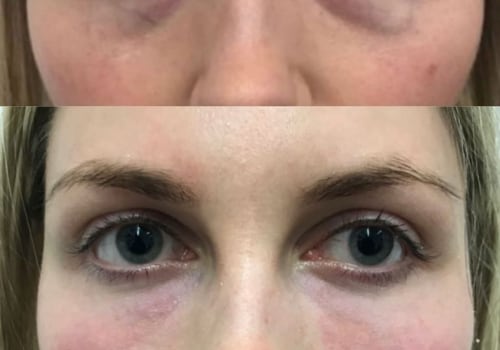
Patients often wonder when they will start to see results after undergoing polynucleotide treatments. Typically, initial improvements can be observed within a few weeks post-treatment. This is due to the biostimulatory effects of polynucleotides, which begin to activate the skin's natural healing processes almost immediately.
However, the most significant changes usually manifest over a period of three to six months as collagen and elastin levels increase.
Longevity of Results
The longevity of results from polynucleotide treatments can vary based on individual factors such as skin type, age, and lifestyle. Generally, the effects can last anywhere from six months to a year. Regular maintenance sessions are recommended to sustain the benefits and continue enhancing skin quality. Many practitioners suggest follow-up treatments every six months to ensure optimal results.
Factors Influencing Results
- Individual Skin Type: Different skin types may respond differently to treatments, affecting the speed and longevity of results.
- Age: Younger patients may experience quicker and more pronounced results due to higher natural collagen production.
- Lifestyle Choices: Factors such as diet, hydration, sun exposure, and smoking can influence how well the skin responds to treatment.
Consulting with a qualified professional can provide tailored advice and help optimise treatment outcomes.
Aftercare and Maintenance for Polynucleotide Treatments
After undergoing polynucleotide treatments, proper aftercare is essential to ensure optimal results and minimise any potential side effects. Following the procedure, patients may experience mild swelling or bruising at the injection sites, which typically resolves within a few days. To aid recovery and enhance the effectiveness of the treatment, consider the following aftercare tips:- Avoid Touching the Treated Area: Refrain from touching or applying pressure to the treated areas for at least 24 hours. This helps prevent irritation and reduces the risk of infection.
- Keep the Area Clean: Gently cleanse your face with a mild cleanser and avoid harsh scrubs or exfoliants for a few days post-treatment.
- Limit Sun Exposure: Protect your skin from direct sunlight by wearing a broad-spectrum sunscreen with an SPF of 30 or higher.
This is crucial as sun exposure can hinder healing and affect results.
- Avoid Strenuous Activities: For at least 48 hours, avoid intense workouts or activities that may cause excessive sweating, as this can exacerbate swelling.
- Stay Hydrated: Drink plenty of water to help maintain skin hydration and support overall skin health.
- Reinforce Collagen Production: Regular treatments stimulate ongoing collagen and elastin production, ensuring that your skin remains firm and youthful.
- Address New Signs of Ageing: As time progresses, new fine lines or wrinkles may appear; maintenance sessions allow for timely intervention.
- Enhance Overall Skin Quality: Consistent treatments contribute to improved skin texture, hydration, and elasticity over time.
Always consult with your practitioner for personalised recommendations based on your unique skin type and treatment goals.
Frequently Asked Questions About Polynucleotides
As the popularity of polynucleotide treatments continues to rise, many potential patients have questions regarding their safety and effectiveness. Below are some of the most frequently asked questions that can help clarify common misconceptions and provide valuable insights into polynucleotide therapies.What are polynucleotides?
Polynucleotides are long chains of nucleotides, which are the building blocks of DNA and RNA. In aesthetic medicine, they are primarily derived from fish DNA, such as salmon or trout sperm. These biostimulators work at a cellular level to promote skin rejuvenation by stimulating collagen and elastin production, leading to improved skin texture and firmness.Are polynucleotide treatments safe?
When administered by qualified professionals, polynucleotide treatments are generally considered safe.However, like any medical procedure, there are potential risks involved. Common side effects may include minor bruising and swelling at the injection site, which typically resolve within a few days. It is crucial to consult with a trained practitioner who can assess your individual health needs and determine if you are a suitable candidate for this treatment.
Who should avoid polynucleotide treatments?
- Individuals with active infections
- Patients with autoimmune disorders
- Those who have allergies to fish
- Pregnant or breastfeeding women
What myths exist about polynucleotide treatments?
There are several misconceptions surrounding polynucleotide therapies:- Myth 1: Polynucleotides are the same as dermal fillers.
- Myth 2: Results from polynucleotide treatments are immediate.
- Myth 3: Polynucleotides can cause severe allergic reactions.
Additionally, serious allergic reactions to polynucleotides are rare, especially when administered by experienced professionals.In conclusion, understanding the facts about polynucleotide treatments can help potential patients make informed decisions. Always consult with a qualified healthcare provider to discuss any concerns and ensure that you receive safe and effective treatment tailored to your needs.
Conclusion: The Future of Polynucleotide Treatments in Aesthetics
In conclusion, the landscape of aesthetic treatments is evolving, and polynucleotides are at the forefront of this transformation. As we have explored throughout this article, these innovative injectables offer a range of benefits that make them an appealing option for those seeking to enhance their skin quality and combat the visible signs of aging.One of the most significant advantages of polynucleotide treatments is their ability to stimulate collagen and elastin production at a cellular level. This biostimulation not only improves skin texture and firmness but also promotes overall skin health.The regenerative properties of polynucleotides make them suitable for various skin concerns, including fine lines, wrinkles, and even conditions like rosacea and hyperpigmentation.While the safety profile of polynucleotide treatments is generally favourable, it is essential to acknowledge that no procedure is entirely without risk. Minor side effects such as bruising and swelling may occur, but these are typically transient and resolve quickly. Importantly, individuals with specific health conditions, such as active infections or autoimmune disorders, should approach these treatments with caution.As with any aesthetic procedure, the expertise of the practitioner plays a crucial role in ensuring safety and achieving optimal results. It is vital for potential patients to seek out qualified professionals who are well-versed in administering polynucleotide treatments.
Consulting with a trained expert can provide personalised insights into whether this treatment aligns with individual skin goals and health considerations.Looking ahead, the future of polynucleotide treatments in aesthetics appears promising. As research continues to unveil their full potential, we may see even broader applications and enhanced formulations that further improve efficacy and safety. For anyone considering this treatment option, staying informed and prioritising professional guidance will be key to navigating the evolving world of aesthetic enhancements.