Polynucleotides are essential biomolecules that play a crucial role in the functioning of all living organisms. Composed of long chains of nucleotides, these molecules serve as the building blocks of DNA and RNA, which are fundamental to genetic information storage and transmission. Each nucleotide consists of three components: a nitrogenous base, a sugar molecule, and a phosphate group. The sequence and arrangement of these nucleotides determine the genetic code that governs cellular processes, making polynucleotides vital for life itself.The significance of polynucleotides extends beyond their structural role in genetics.
They are involved in various biological processes, including protein synthesis, cellular repair, and regulation of gene expression. For instance, messenger RNA (mRNA), a type of polynucleotide, carries genetic information from DNA to ribosomes, where proteins are synthesized. This process is fundamental to cellular function and organismal development. Furthermore, polynucleotides are also implicated in cellular signalling pathways and immune responses, highlighting their versatility and importance in maintaining homeostasis.In recent years, the therapeutic potential of polynucleotides has garnered considerable attention, particularly in the field of anti-aging treatments.
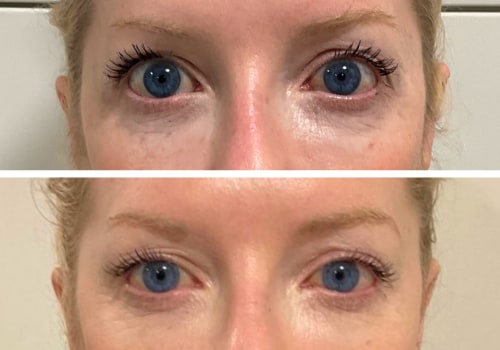
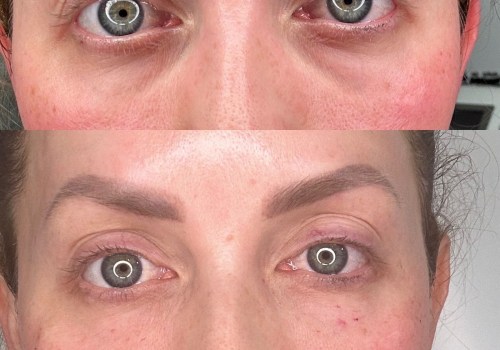
Their ability to stimulate collagen and elastin production in the skin has led to innovative applications aimed at rejuvenating skin appearance and combating signs of aging. As we delve deeper into the world of polynucleotides, it becomes evident that understanding their structure and function is not only crucial for appreciating their biological significance but also for exploring their transformative potential in aesthetic medicine.
The Role of Polynucleotides in Anti-Aging Treatments
Polynucleotides have emerged as a significant player in the realm of anti-aging treatments, primarily due to their ability to enhance skin rejuvenation. These naturally occurring molecules, which are long chains of nucleotides, play a crucial role in cellular processes, including DNA and RNA synthesis. Their application in skincare is rooted in their potential to stimulate the body’s natural healing mechanisms and promote skin health.Mechanisms of Action
The effectiveness of polynucleotides in anti-aging treatments can be attributed to several key mechanisms:
- Collagen and Elastin Stimulation: One of the primary benefits of polynucleotides is their ability to stimulate the production of collagen and elastin, two proteins essential for maintaining skin elasticity and firmness.
As we age, the natural production of these proteins declines, leading to wrinkles and sagging skin. By introducing polynucleotides into the skin, practitioners can encourage the body to regenerate these vital components.
- Cellular Regeneration: Polynucleotides promote cellular regeneration by enhancing the proliferation of fibroblasts, the cells responsible for producing collagen. This regeneration process helps repair damaged skin and improves overall texture and tone.
- Anti-Inflammatory Properties: In addition to promoting collagen synthesis, polynucleotides possess anti-inflammatory properties that can help reduce redness and irritation in the skin. This is particularly beneficial for individuals with sensitive or reactive skin types.
Benefits for Skin Rejuvenation
The incorporation of polynucleotides into skincare regimens offers numerous advantages:
- Improved Skin Texture: Regular use of polynucleotide treatments can lead to smoother, more refined skin texture by reducing the appearance of fine lines and wrinkles.
- Enhanced Hydration: Polynucleotides help retain moisture within the skin, contributing to a plumper and more youthful appearance.
- Long-Lasting Results: The effects of polynucleotide treatments can last for several months, making them a cost-effective option for those seeking long-term anti-aging solutions.
Their ability to stimulate collagen production, promote cellular regeneration, and provide anti-inflammatory benefits makes them a valuable addition to modern skincare practices. As research continues to evolve, it is likely that our understanding of polynucleotides will deepen, further solidifying their place in the fight against aging.
Common Misconceptions About Polynucleotides
As the popularity of polynucleotide treatments continues to rise, so too do the myths and misconceptions surrounding them. Understanding the truth behind these claims is essential for anyone considering such treatments. Here, we will explore some of the most common misconceptions about polynucleotides and clarify the facts.- Myth 1: Polynucleotides are only for older individuals. Many people believe that polynucleotide treatments are exclusively beneficial for older adults.
In reality, these treatments can be advantageous for individuals of various ages. Young adults may use polynucleotides as a preventive measure to maintain skin elasticity and hydration, while older individuals may seek them out to address existing signs of aging.
- Myth 2: All polynucleotide products are the same. Not all polynucleotide treatments are created equal. The effectiveness of these products can vary significantly based on their formulation and concentration. It is crucial to consult with a qualified professional who can recommend the most suitable product tailored to individual skin needs.
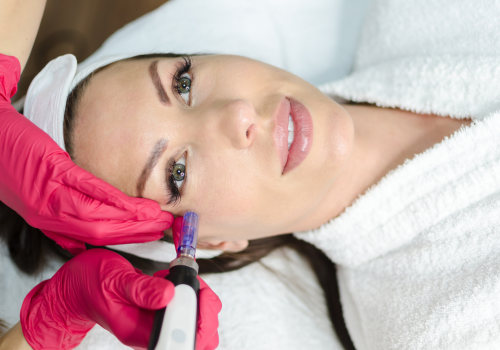
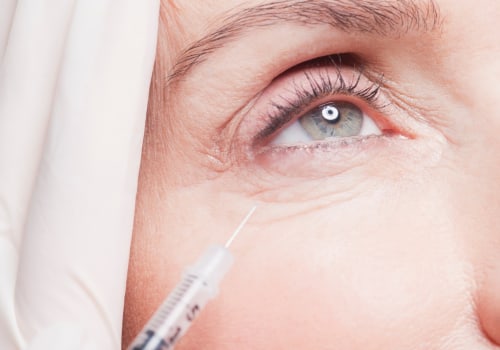
- Myth 3: Polynucleotide treatments are painful. A common concern is that injections of polynucleotides will be painful.
However, most patients report minimal discomfort during the procedure. Practitioners often use fine needles and may apply topical anaesthetics to enhance comfort, making the experience relatively pleasant.
- Myth 4: Results are immediate and permanent. While some individuals may notice improvements shortly after treatment, the full effects of polynucleotide injections typically develop over several weeks as collagen production increases. Furthermore, results are not permanent; maintenance treatments are necessary to sustain the desired effects.
- Myth 5: There are no side effects associated with polynucleotide treatments. Although polynucleotides are generally considered safe, it is important to acknowledge that side effects can occur. Common reactions include temporary redness or swelling at the injection site.
Serious complications are rare but can happen, underscoring the importance of choosing a skilled practitioner.
Potential Side Effects and Risks of Polynucleotide Treatments
When considering polynucleotide treatments, it is crucial to be aware of the potential side effects and risks associated with these procedures. While many individuals report positive outcomes, understanding the full spectrum of possible complications can help in making informed decisions.Commonly reported side effects of polynucleotide injections include:- Redness and Swelling: These are typical reactions at the injection site, often resulting from the body’s natural inflammatory response. Such symptoms usually subside within a few hours to a couple of days.
- Bruising: Minor bruising may occur due to the needle penetrating the skin and causing slight damage to blood vessels.
This is generally temporary and can be alleviated with topical treatments like arnica gel.
- Itching or Discomfort: Some patients may experience mild itching or discomfort in the treated area, which typically resolves quickly.
- Allergic Reactions: Although rare, some individuals may have an allergic reaction to the injected substance. Symptoms can range from mild itching and swelling to more severe reactions requiring immediate medical attention.
- Infection: As with any injection, there is a risk of infection if proper hygiene practices are not followed. It is essential that practitioners use sterile techniques and that patients adhere to post-treatment care instructions.
- Vascular Occlusion: This serious complication occurs when the injection inadvertently blocks a blood vessel, leading to restricted blood flow. Symptoms may include increased pain, discolouration, or coldness in the area, necessitating prompt medical intervention.
- Granuloma Formation: In some cases, localized lumps known as granulomas may develop as an immune response to the injected material.
These can appear weeks or months after treatment and may require further medical evaluation.
Clinical Evidence Supporting Polynucleotide Efficacy
In recent years, the use of polynucleotides in anti-aging treatments has garnered significant attention, leading to a growing body of clinical research aimed at validating their effectiveness. Several studies have been conducted to assess the impact of polynucleotide treatments on skin rejuvenation, collagen production, and overall skin quality.One notable study published in the journal Aesthetic Dermatology examined the effects of polynucleotide injections on a cohort of patients experiencing signs of aging.The results indicated a marked improvement in skin elasticity and hydration levels after a series of treatments. Participants reported a noticeable reduction in fine lines and wrinkles, with many expressing satisfaction with the aesthetic outcomes.Another significant piece of research featured in Skin Pharmacology and Physiology focused on the biochemical mechanisms behind polynucleotide efficacy. This study highlighted how polynucleotides stimulate fibroblast activity, which is crucial for collagen and elastin synthesis. Enhanced fibroblast function leads to increased production of these essential proteins, thereby improving skin structure and resilience.Furthermore, a clinical trial conducted by dermatologists at a leading medical institution evaluated the long-term effects of polynucleotide treatments over a 12-month period.
The findings revealed that patients maintained improved skin texture and reduced signs of aging even months after completing their treatment regimen. This long-lasting effect underscores the potential of polynucleotides as a viable option for ongoing skin care.In addition to these studies, anecdotal evidence from practitioners who administer polynucleotide treatments supports their effectiveness. Many dermatologists have noted that patients often experience not only physical improvements but also enhanced self-esteem and confidence following treatment.While more extensive research is needed to fully understand the long-term implications and optimal protocols for polynucleotide use, current clinical evidence suggests that they are a promising avenue for those seeking effective anti-aging solutions. As the scientific community continues to explore this area, it is likely that further studies will provide deeper insights into the mechanisms at play and solidify the role of polynucleotides in aesthetic medicine.
Comparing Polynucleotides with Other Anti-Aging Treatments
When exploring options for anti-aging treatments, it is essential to understand how polynucleotides compare with other popular methods such as hyaluronic acid and Botox.Each treatment offers unique benefits and mechanisms of action, making them suitable for different skin concerns and individual preferences.
Polynucleotides vs Hyaluronic Acid
Hyaluronic acid is a naturally occurring substance in the body known for its remarkable ability to retain moisture. It acts as a humectant, drawing water into the skin and providing immediate hydration. This treatment is particularly effective for plumping the skin and reducing the appearance of fine lines and wrinkles. However, its effects are often temporary, typically lasting from six months to a year, depending on the formulation and individual skin type.In contrast, polynucleotides work by stimulating the body’s natural healing processes.They promote collagen and elastin production, which are crucial for maintaining skin elasticity and firmness over time. While hyaluronic acid provides instant results, polynucleotides may take a few weeks to show visible improvements as they encourage the skin to regenerate from within.
Polynucleotides vs Botox
Botox, or botulinum toxin, is another widely used anti-aging treatment that works by temporarily paralyzing the muscles responsible for facial expressions. This can effectively smooth out dynamic wrinkles, such as crow's feet and frown lines. However, Botox does not address skin texture or elasticity; it primarily targets muscle movement.On the other hand, polynucleotides do not interfere with muscle function but instead enhance the overall quality of the skin.They can be used in conjunction with Botox to provide a more comprehensive approach to anti-aging by addressing both wrinkles caused by muscle movement and those resulting from loss of collagen and hydration.
Alternatives to Polynucleotide Treatments
While polynucleotides offer promising results, there are several alternatives available in the realm of anti-aging treatments:- Platelet-Rich Plasma (PRP): Utilises growth factors from your own blood to stimulate healing and rejuvenation.
- Chemical Peels: Exfoliate the outer layer of skin to improve texture and tone.
- Microneedling: Creates micro-injuries in the skin to promote collagen production.
- Laser Treatments: Target specific skin concerns such as pigmentation, texture, and wrinkles.
FAQs About Polynucleotides in Skincare
As the popularity of polynucleotides in skincare continues to rise, many individuals have questions regarding their use, effectiveness, and safety. Below are some frequently asked questions that can help clarify common concerns about polynucleotide treatments.What are polynucleotides?
Polynucleotides are long chains of nucleotides, which are the building blocks of DNA and RNA.In skincare, they are primarily used for their regenerative properties, promoting collagen and elastin production to improve skin texture and elasticity.
How do polynucleotide injections work?
When injected into the skin, polynucleotides stimulate cellular activity and enhance the body’s natural healing processes. This leads to increased collagen synthesis and improved skin hydration, resulting in a more youthful appearance.Are polynucleotide treatments safe?
Generally, polynucleotide treatments are considered safe for most individuals. Clinical studies have shown minimal side effects, which are typically mild and temporary. However, as with any medical procedure, it is essential to consult with a qualified professional to assess individual risks.What side effects can occur from polynucleotide injections?
- Redness and swelling: These are common reactions at the injection site and usually subside within a few hours.
- Bruising: Minor bruising may occur due to needle insertion but typically resolves quickly.
- Allergic reactions: Although rare, some individuals may experience allergic responses.
Symptoms can include itching or prolonged swelling.
How long do the results last?
The results of polynucleotide treatments can last up to 12 months, depending on individual skin conditions and lifestyle factors. Regular maintenance sessions may be recommended to prolong the effects.Who is a suitable candidate for polynucleotide treatments?
Individuals looking to improve skin texture, reduce fine lines, or enhance overall skin quality may benefit from polynucleotide injections. However, those with certain medical conditions or allergies should discuss their suitability with a healthcare provider.Can polynucleotides be combined with other treatments?
Yes, polynucleotide treatments can often be combined with other aesthetic procedures such as dermal fillers or laser therapy for enhanced results. A tailored treatment plan should be developed by a qualified practitioner based on individual needs.Conclusion: The Future of Polynucleotide Treatments in Skincare
As we draw our exploration of polynucleotides to a close, it is essential to reflect on the myriad benefits these remarkable compounds offer in the realm of skincare.From their ability to stimulate collagen and elastin production to their role in enhancing skin hydration and elasticity, polynucleotides have emerged as a promising solution for those seeking to combat the visible signs of aging. Their biocompatibility with human tissue further underscores their potential as a safe long-term treatment option.Looking ahead, the future of polynucleotide treatments in skincare appears bright. As research continues to evolve, we can anticipate a deeper understanding of how these molecules interact with our skin at a cellular level. This knowledge may pave the way for innovative formulations that not only enhance the efficacy of existing treatments but also introduce new applications for polynucleotides in skincare.Moreover, advancements in technology and delivery methods could lead to more effective and targeted treatments.
For instance, the integration of polynucleotides with other active ingredients may create synergistic effects that amplify their benefits, offering consumers even more comprehensive solutions for skin rejuvenation.In conclusion, while the current body of evidence supports the use of polynucleotides as a safe and effective option for skin rejuvenation, ongoing research will be crucial in unlocking their full potential. As we continue to separate fact from fiction regarding these compounds, it is clear that they hold significant promise for the future of skincare. For those considering polynucleotide treatments, consulting with qualified professionals will ensure that you receive tailored advice and care suited to your individual needs.In summary, polynucleotides represent a fascinating frontier in anti-aging skincare, combining safety with efficacy. As we embrace these advancements, it is vital to remain informed and engaged in discussions surrounding their use, ensuring that we make educated choices about our skincare regimens.