Polynucleotides are essential biomolecules composed of long chains of nucleotides, which are the building blocks of DNA and RNA. These complex structures play a pivotal role in various biological processes, including cellular repair, growth, and regeneration. In the realm of dermatology, polynucleotides have emerged as a groundbreaking treatment option for skin rejuvenation, harnessing their natural properties to enhance skin health and appearance.In essence, polynucleotides function as powerful stimulators of fibroblast activity, the cells responsible for producing collagen and elastin—two critical proteins that maintain skin elasticity and firmness. By promoting the proliferation and activity of these cells, polynucleotides facilitate improved skin texture, hydration, and overall vitality.
This makes them particularly valuable in addressing common skin concerns such as fine lines, wrinkles, and loss of volume.Moreover, the unique composition of polynucleotides allows them to attract water molecules, significantly enhancing skin hydration. This hydrating effect not only contributes to a plumper appearance but also aids in the skin's natural healing processes. As a result, polynucleotide treatments are increasingly recognised for their ability to rejuvenate the skin from within, offering a holistic approach to aesthetic enhancement.As we delve deeper into the mechanisms by which polynucleotides operate in skin rejuvenation, it becomes clear that their biological significance extends far beyond mere cosmetic benefits. Understanding how these molecules interact with our skin at a cellular level is crucial for appreciating their transformative potential in modern dermatological practices.
The Science Behind Polynucleotides
Polynucleotides are fascinating biomolecules that play a pivotal role in skin rejuvenation by influencing cellular processes at a molecular level.Understanding how these compounds work can illuminate their effectiveness in promoting skin health and combating the visible signs of aging.At the core of their function, polynucleotides primarily target fibroblasts , the cells responsible for producing collagen and elastin—two essential proteins that maintain skin structure and elasticity. When polynucleotides are introduced into the skin through injections, they stimulate fibroblast activity, leading to an increase in collagen synthesis. This process is crucial because collagen provides the skin with strength and firmness, while elastin allows it to stretch and return to its original shape.Moreover, polynucleotides possess unique properties that enhance their effectiveness:
- Hydration: Polynucleotides have a remarkable ability to attract and retain water molecules, significantly improving skin hydration. Well-hydrated skin appears plumper and more youthful, reducing the visibility of fine lines and wrinkles.
- Cellular Regeneration: By promoting fibroblast proliferation, polynucleotides facilitate cellular turnover.
This regeneration process helps to replace damaged or aged cells with new, healthy ones, contributing to a more vibrant complexion.
- Antioxidant Effects: Polynucleotides act as scavengers for free radicals—unstable molecules that can cause oxidative stress and accelerate skin aging. By neutralising these harmful agents, polynucleotides help protect skin cells from damage.
Their unique mechanisms make them a valuable addition to modern aesthetic treatments aimed at rejuvenating the complexion.
Polynucleotides vs. Other Skin Treatments
In the realm of aesthetic medicine, the variety of skin treatments available can be overwhelming. Among these, polynucleotides have emerged as a powerful alternative to traditional options such as dermal fillers and hyaluronic acid. Understanding the differences between these treatments is crucial for anyone considering skin rejuvenation. have emerged as a powerful alternative to traditional options such as dermal fillers and hyaluronic acid. Understanding the differences between these treatments is crucial for anyone considering skin rejuvenation.Polynucleotides vs.
Dermal FillersDermal fillers are primarily designed to add volume to specific areas of the face, such as the cheeks, lips, and nasolabial folds. They work by physically filling in wrinkles and enhancing facial contours. However, while they provide immediate results, their effects are temporary, typically lasting from six months to a year depending on the type of filler used.In contrast, polynucleotides function as biostimulants rather than mere fillers. They stimulate the body’s natural processes to promote collagen and elastin production, leading to improved skin texture and elasticity over time.
This regenerative approach not only addresses existing signs of aging but also enhances the skin's overall health and resilience.
Polynucleotides vs. Hyaluronic Acid
Hyaluronic acid (HA) is another popular treatment known for its hydrating properties. It attracts and retains moisture in the skin, providing a plump and youthful appearance. While HA is effective for hydration and smoothing fine lines, it does not actively stimulate collagen production.On the other hand, polynucleotides offer a dual benefit: they enhance hydration while also promoting cellular regeneration.This means that not only do they improve moisture levels in the skin, but they also encourage long-term improvements in skin structure and firmness.
Unique Advantages of Polynucleotides
- Long-lasting Results: The effects of polynucleotide treatments can last up to six months or longer with maintenance sessions, making them a cost-effective option in the long run.
- Minimal Downtime: Unlike some invasive procedures, polynucleotide injections typically require little to no recovery time, allowing patients to resume their daily activities almost immediately.
- Versatility: Polynucleotides can be used in conjunction with other treatments, such as fillers or laser therapies, enhancing their overall effectiveness.
- Safety Profile: With a low risk of allergic reactions and side effects, polynucleotides are suitable for a wide range of patients, including those with sensitivities to other materials.
Applications of Polynucleotide Treatments
Polynucleotide treatments have emerged as a groundbreaking option in the realm of aesthetic procedures, offering a multitude of applications that cater to various skin concerns. These treatments harness the regenerative properties of polynucleotides, which are known for their ability to stimulate cellular activity and enhance skin rejuvenation.One of the primary applications of polynucleotide treatments is in the reduction of wrinkles and fine lines. As we age, our skin loses elasticity and firmness, leading to the formation of wrinkles.By injecting polynucleotides into targeted areas, practitioners can promote collagen synthesis and improve skin texture, resulting in a smoother and more youthful appearance.In addition to addressing wrinkles, polynucleotide treatments are highly effective for scarring. Whether caused by acne, surgery, or injury, scars can significantly impact an individual’s self-esteem. The biostimulatory effects of polynucleotides encourage the regeneration of skin cells and the production of new collagen, which can help diminish the appearance of scars over time.Another significant application is in enhancing overall skin texture. Many individuals seek treatments that not only reduce visible signs of aging but also improve the overall quality of their skin.
Polynucleotides work by increasing hydration levels and promoting a more even skin tone, making them an excellent choice for those looking to revitalise their complexion.Moreover, polynucleotide treatments can be combined with other aesthetic procedures to amplify results. For instance, they can be used alongside dermal fillers or laser therapies to create a comprehensive treatment plan tailored to individual needs. This versatility allows practitioners to address multiple concerns simultaneously, providing patients with a more holistic approach to skin rejuvenation.Furthermore, these treatments are suitable for various areas of the body beyond just the face. They can be applied to delicate regions such as the neck and décolletage, where signs of aging often become apparent.
The ability to treat multiple areas makes polynucleotide therapies a valuable addition to any aesthetic practice.In conclusion, the applications of polynucleotide treatments in aesthetic procedures are vast and varied. From reducing wrinkles and scars to improving overall skin texture, these innovative therapies offer a natural solution for those seeking rejuvenation. As research continues to unveil their potential, it is clear that polynucleotides represent a significant advancement in the field of dermatology and aesthetic medicine.
The Benefits of Polynucleotide Injections
Polynucleotide injections have emerged as a groundbreaking solution in the realm of skin rejuvenation, offering a multitude of benefits that cater to various skin concerns. These treatments are particularly renowned for their ability to enhance skin hydration, improve elasticity, and deliver long-lasting results.One of the primary advantages of polynucleotide injections is their remarkable capacity to boost skin hydration.The polynucleotides attract water molecules, effectively increasing moisture levels within the skin. This enhanced hydration not only gives the skin a plump and youthful appearance but also aids in maintaining its overall health. Well-hydrated skin is less prone to dryness, flakiness, and irritation, making it a vital component of any effective skincare regimen.In addition to hydration, polynucleotide injections play a crucial role in promoting skin elasticity. As we age, our skin naturally loses collagen and elastin, leading to sagging and the formation of fine lines and wrinkles.
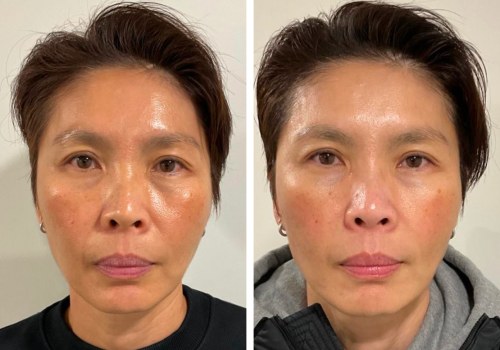
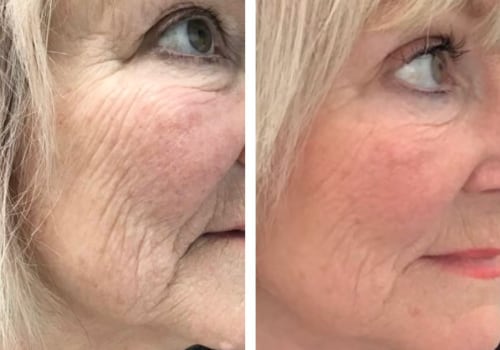
Polynucleotides stimulate fibroblast activity, which is essential for collagen production. By encouraging the body’s natural healing processes, these injections help restore the skin's firmness and resilience, resulting in a smoother and more youthful complexion.The anti-aging effects of polynucleotide treatments are particularly noteworthy. Clinical studies have demonstrated that these injections can significantly reduce the appearance of wrinkles and fine lines while improving overall skin texture. Patients often report visible improvements within weeks of treatment, with results that can last for several months.
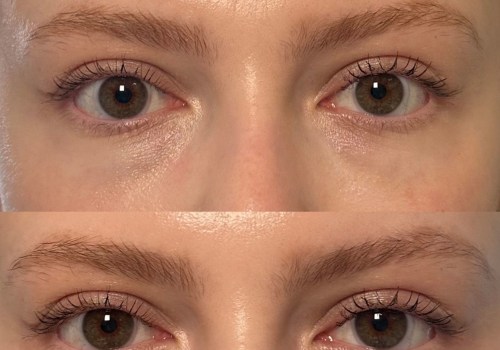
This longevity makes polynucleotide injections an appealing option for those seeking sustainable solutions for aging skin.Moreover, polynucleotide injections are versatile and can be tailored to address specific concerns across various areas of the face and body. Whether targeting delicate regions such as under the eyes or larger areas like the neck and décolletage, these treatments can be customised to meet individual needs.In summary, the benefits of polynucleotide injections extend far beyond mere aesthetics. By enhancing hydration, improving elasticity, and providing long-lasting anti-aging effects, they represent a powerful tool in the pursuit of youthful and vibrant skin. As more individuals seek effective solutions for their skincare concerns, polynucleotides are poised to become a staple in aesthetic medicine.
Safety and Side Effects of Polynucleotide Treatments
When considering polynucleotide treatments for skin rejuvenation, understanding the safety profile and potential side effects is crucial.While these treatments have gained popularity for their regenerative properties, it is essential to approach them with a well-informed perspective.
Safety Profile of Polynucleotide Treatments
Polynucleotide injections are generally regarded as safe when administered by qualified professionals. The materials used in these treatments are biocompatible, meaning they are designed to work harmoniously with the body’s natural processes. This compatibility significantly reduces the risk of adverse reactions. However, as with any medical procedure, individual responses can vary.
Common Side Effects
While serious side effects are rare, some patients may experience mild and temporary reactions following treatment.
Common side effects include:
- Swelling: Mild swelling at the injection site is common and usually subsides within a few days.
- Bruising: Some patients may notice bruising, which can occur due to the injection process.
- Pain or Discomfort: A slight sensation of pain or discomfort may be felt during and after the procedure.
- Redness: Temporary redness around the injection site is also a typical response.
Potential Risks Involved
Although polynucleotide treatments are considered safe, there are potential risks that should be discussed during a pre-treatment consultation. These may include:
- Allergic Reactions: Although rare, some individuals may have an allergic reaction to the components used in the treatment.
- Infection: As with any injection procedure, there is a minimal risk of infection if proper hygiene practices are not followed.
- Nodules or Lumps: In some cases, small nodules may form at the injection site, which typically resolve over time.
The Importance of Professional Consultation
A thorough consultation with a qualified practitioner is essential before undergoing polynucleotide treatments. During this consultation, patients should discuss their medical history, any allergies, and specific skin concerns.
This dialogue helps ensure that the treatment plan is tailored to individual needs and minimizes potential risks.In conclusion, while polynucleotide treatments offer promising benefits for skin rejuvenation, understanding their safety profile and potential side effects is vital. By consulting with a professional and being aware of possible reactions, patients can make informed decisions that align with their aesthetic goals.
Clinical Evidence Supporting Polynucleotide Efficacy
Recent clinical studies have provided compelling evidence supporting the efficacy of polynucleotide treatments in skin rejuvenation. These studies highlight the significant benefits of polynucleotides in enhancing skin health, promoting collagen production, and improving overall skin texture.One notable study published in the Journal of Cosmetic Dermatology examined the effects of polynucleotide injections on patients with signs of photoaging. The results demonstrated a marked improvement in skin elasticity and hydration levels after a series of treatments.Participants reported a reduction in fine lines and wrinkles, with many noting that their skin appeared visibly plumper and more youthful.Another clinical trial focused on the use of polynucleotides for scar treatment. In this study, patients with acne scars received polynucleotide injections over several sessions. The findings revealed a significant reduction in scar visibility, attributed to the stimulation of fibroblast activity and enhanced collagen synthesis. This underscores the potential of polynucleotides not only for anti-aging but also for scar management.Furthermore, a meta-analysis encompassing multiple studies on polynucleotide efficacy concluded that these treatments consistently lead to improved skin texture and tone.
The analysis highlighted that polynucleotides act as powerful biostimulants, promoting cellular regeneration and enhancing the skin's natural healing processes.In addition to their rejuvenating properties, polynucleotides have been shown to possess antioxidant effects. A study published in Dermatologic Therapy indicated that polynucleotides can scavenge free radicals, thereby protecting skin cells from oxidative stress caused by environmental factors such as UV radiation and pollution.The cumulative evidence from these clinical studies reinforces the notion that polynucleotide treatments are a valuable addition to aesthetic medicine. As research continues to evolve, it is clear that polynucleotides offer a multifaceted approach to achieving healthier, more resilient skin.
Combining Polynucleotides with Other Treatments
The integration of polynucleotides with other aesthetic treatments has emerged as a groundbreaking approach in the field of skin rejuvenation. By combining these powerful agents with complementary procedures, practitioners can achieve enhanced results that address a wider array of skin concerns.One of the most effective combinations is the pairing of polynucleotides with dermal fillers.While fillers primarily add volume to specific areas of the face, polynucleotides work at a cellular level to stimulate collagen and elastin production. This synergy not only provides immediate volume but also promotes long-term skin health and elasticity. Patients often report a more natural appearance, as the skin becomes firmer and more resilient over time.Another promising combination is with laser treatments. Lasers are known for their ability to resurface the skin and improve texture, but they can also induce inflammation, which may temporarily exacerbate certain skin issues.
By incorporating polynucleotides post-laser treatment, practitioners can help mitigate inflammation and accelerate healing. This combination not only enhances the overall results of the laser procedure but also ensures that patients experience less downtime.Moreover, polynucleotides can be effectively combined with microneedling. This technique creates micro-injuries in the skin, prompting a natural healing response that includes collagen production. When polynucleotides are introduced during or after microneedling, they can penetrate deeper into the dermis, amplifying the regenerative effects.
This dual approach results in improved skin texture, reduced fine lines, and enhanced hydration.In addition to these combinations, polynucleotides can also be integrated into chemical peels. While peels exfoliate the outer layer of skin to reveal a fresher complexion, polynucleotides can support deeper skin layers by promoting cellular regeneration and hydration. This combination not only improves surface appearance but also strengthens the underlying structure of the skin.Ultimately, the synergistic effects of combining polynucleotides with other aesthetic procedures offer patients a comprehensive solution for their skincare needs. By addressing multiple concerns simultaneously—such as volume loss, texture irregularities, and hydration—these combination treatments provide a holistic approach to achieving youthful and radiant skin.
Patient Experiences and Testimonials
As the popularity of polynucleotide treatments continues to rise, many patients have begun to share their personal experiences and outcomes.These testimonials provide valuable insights into the effectiveness of these innovative skin rejuvenation therapies.One patient, Sarah, a 42-year-old marketing executive, shared her journey with polynucleotide injections. "I had been struggling with fine lines and sagging skin around my jawline for years. After my first treatment, I noticed a significant improvement in my skin's texture and firmness. It felt like my skin was revitalised from within!" Sarah noted that the results became more pronounced over time, leading her to recommend the treatment to friends and family.Another patient, James, aged 35, sought polynucleotide therapy to address acne scars that had plagued him since his teenage years.
"I was sceptical at first, but after a few sessions, I could see a remarkable difference. The scars began to fade, and my skin looked healthier overall. I felt more confident going out without makeup," he explained. James's experience highlights how polynucleotides can not only improve the appearance of scars but also enhance self-esteem.Many patients have also reported minimal discomfort during the procedure.
Emma, a 29-year-old teacher, stated, "The injections were quick and relatively painless. I was back to my daily routine almost immediately!" This ease of treatment is often a deciding factor for those considering polynucleotide therapies.Moreover, patients have expressed appreciation for the natural-looking results achieved through polynucleotide treatments. Mark, a 50-year-old businessman, remarked, "I wanted to look refreshed without appearing overly done. The subtle lift and hydration I received from the polynucleotides were exactly what I was looking for." This sentiment resonates with many who prefer a more natural approach to aesthetic enhancements.In conclusion, real patient experiences with polynucleotides reveal a trend of satisfaction and positive outcomes.
From improved skin texture to enhanced confidence, these testimonials serve as encouraging evidence for those contemplating similar treatments. As always, it is essential for potential patients to consult with qualified professionals to discuss their individual needs and expectations before undergoing any procedure.
<strong>Conclusion</strong>
In summary, the role of polynucleotides in skin rejuvenation is both profound and transformative. These innovative treatments harness the natural power of DNA to stimulate cellular activity, leading to remarkable improvements in skin health and appearance. By promoting collagen and elastin production, polynucleotides not only enhance skin elasticity but also contribute to a more youthful and vibrant complexion.As we have explored, the benefits of polynucleotide treatments extend beyond mere aesthetics.They serve as a multifaceted solution for various skin concerns, including fine lines, wrinkles, and uneven texture. The ability of polynucleotides to deeply hydrate the skin while acting as powerful antioxidants makes them an invaluable asset in combating the effects of environmental stressors and ageing.Moreover, the versatility of these treatments allows them to be effectively combined with other aesthetic procedures, enhancing their overall efficacy. This synergy can lead to even more significant results, making polynucleotides a preferred choice for those seeking comprehensive skin rejuvenation.It is essential for individuals considering polynucleotide treatments to consult with qualified professionals who can provide tailored advice based on their unique skin needs. A thorough consultation will ensure that potential risks are addressed and that patients have realistic expectations regarding the outcomes.As research continues to evolve, our understanding of how polynucleotides function at a cellular level will undoubtedly deepen.
This ongoing exploration promises to unlock even more potential applications for these remarkable compounds in aesthetic medicine.In conclusion, if you are looking for a natural and effective way to rejuvenate your skin, consider the transformative power of polynucleotides. With their ability to enhance hydration, stimulate collagen production, and improve overall skin quality, they represent a significant advancement in the field of dermatology. Speak with your healthcare provider today to discover how polynucleotide treatments can help you achieve your skincare goals.