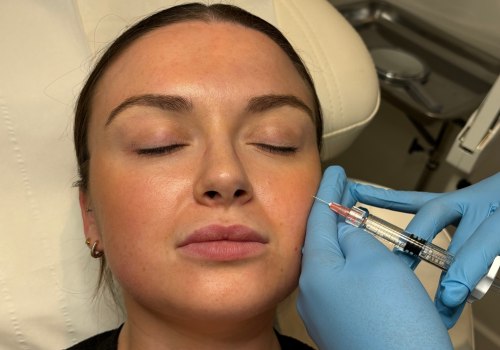
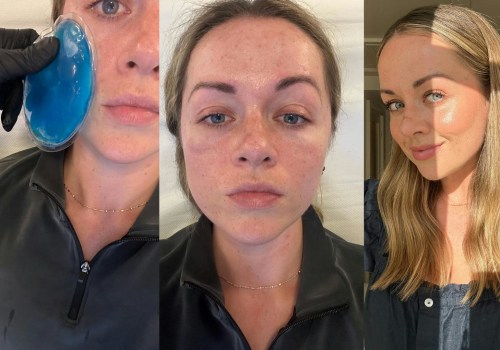
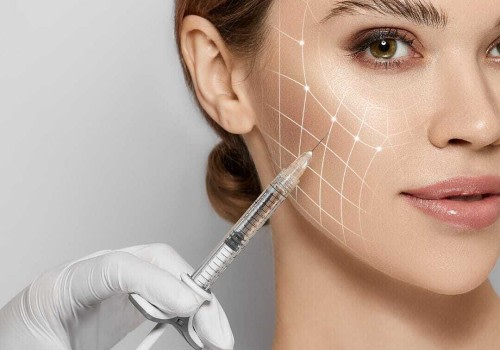
In the realm of aesthetic treatments, polynucleotides have emerged as a revolutionary option for skin rejuvenation. These naturally occurring molecules, derived from the DNA of salmon or trout, play a crucial role in stimulating the body’s own healing processes. By promoting cellular repair and regeneration, polynucleotides help to enhance skin texture, hydration, and overall appearance. Their unique properties make them a valuable addition to the toolkit of modern dermatology, particularly for those seeking non-invasive solutions to combat the signs of aging.The significance of polynucleotides in skin treatments cannot be overstated.
Unlike traditional dermal fillers that primarily provide volume through hyaluronic acid, polynucleotides work at a cellular level to encourage collagen production and improve skin elasticity. This biostimulation effect leads to a more youthful and vibrant complexion over time. As patients increasingly seek natural-looking results without the need for surgical interventions, polynucleotides offer an appealing alternative that aligns with these desires.Understanding how long the effects of polynucleotides last is essential for anyone considering this treatment. While initial improvements may be visible shortly after administration, the full benefits typically manifest over several weeks as collagen synthesis ramps up.
This gradual enhancement allows for a more natural transition in appearance, making it an attractive option for those wary of immediate changes often associated with other cosmetic procedures.As we delve deeper into the longevity and effectiveness of polynucleotide treatments, it becomes clear that individual factors such as age, skin type, and lifestyle can influence outcomes. Regular maintenance sessions can further extend the benefits, ensuring that patients enjoy lasting results from their investment in skin health. In this article, we will explore these aspects in detail, providing insights into how polynucleotides can transform your skincare regimen.
What Are Polynucleotides?
Polynucleotides are naturally occurring biopolymers composed of long chains of nucleotide units, which are the fundamental building blocks of DNA and RNA. These molecules play a crucial role in various biological processes, including cellular repair and regeneration.In the context of skin treatments, polynucleotides are derived from highly purified sources, often from salmon or trout DNA, ensuring their safety and efficacy for therapeutic use.Unlike traditional dermal fillers that primarily provide volume through hyaluronic acid, polynucleotides work by stimulating the body’s own regenerative processes. They promote the production of collagen and elastin, essential proteins that contribute to skin elasticity and firmness. This unique mechanism sets polynucleotides apart from other skin treatments, as they not only enhance hydration but also improve overall skin quality at a cellular level.The benefits of polynucleotides extend beyond mere aesthetic improvements. By enhancing fibroblast activity, these treatments can lead to a thicker and healthier epidermis, resulting in smoother skin texture and reduced appearance of fine lines and wrinkles.
Additionally, polynucleotides have been shown to improve skin hydration and luminosity, making them an excellent choice for individuals seeking a more youthful appearance.Furthermore, polynucleotide treatments are versatile and can be applied to various areas of the face and body, including delicate regions such as under the eyes and the neck. This adaptability makes them suitable for a wide range of patients with different skin concerns.In summary, polynucleotides represent a significant advancement in skin rejuvenation therapies. Their ability to harness the body’s natural healing processes not only enhances aesthetic outcomes but also promotes long-term skin health. As more individuals seek effective and scientifically validated treatments for skin rejuvenation, polynucleotides are becoming increasingly recognised as a gold standard in regenerative medicine.
How Do Polynucleotides Work?
Polynucleotides are a revolutionary advancement in the field of skin rejuvenation, primarily due to their unique mechanism of action that promotes cellular repair and enhances collagen production.These naturally occurring molecules, derived from salmon or trout DNA, play a crucial role in stimulating the body’s inherent healing processes.When injected into the skin, polynucleotides initiate a series of biological responses that lead to significant improvements in skin quality. The primary mechanism involves the activation of fibroblasts, which are essential cells responsible for producing collagen and elastin. Collagen is vital for maintaining skin structure and elasticity, while elastin contributes to the skin's ability to return to its original shape after stretching.As polynucleotides are introduced into the dermal layer, they bind with water molecules, enhancing hydration and creating an optimal environment for cellular activity. This hydration effect not only improves the immediate appearance of the skin but also sets the stage for long-term rejuvenation.
Over time, typically within a few weeks, patients begin to notice a marked improvement in skin texture, tone, and overall vitality.Moreover, polynucleotides facilitate the repair of damaged tissues by promoting angiogenesis—the formation of new blood vessels. This process ensures that the skin receives adequate nutrients and oxygen, further supporting cellular health and regeneration. As a result, patients often experience reduced fine lines and wrinkles, improved skin firmness, and enhanced luminosity.In addition to their role in collagen synthesis and tissue repair, polynucleotides also exhibit anti-inflammatory properties. This characteristic is particularly beneficial for individuals with sensitive or reactive skin conditions, as it helps to soothe irritation and promote a more balanced complexion.In summary, the effectiveness of polynucleotides in skin rejuvenation lies in their multifaceted approach: they stimulate collagen production, enhance hydration, promote tissue repair, and reduce inflammation.
This comprehensive mechanism not only leads to immediate aesthetic improvements but also fosters long-lasting benefits for healthier, more youthful-looking skin.
Duration of Effects: How Long Do Polynucleotide Treatments Last?
The duration of effects from polynucleotide treatments can vary significantly based on several factors, including the individual’s skin type, age, lifestyle, and the specific area being treated. Generally, patients can expect to see noticeable improvements in skin quality and texture within a few weeks of their initial treatment. However, the full benefits typically manifest after a complete treatment regimen, which often consists of multiple sessions.On average, the results from polynucleotide treatments last between six to twelve months. Many patients report that the most significant improvements are observed around two to three months post-treatment.This is when the skin appears rejuvenated, with reduced fine lines and enhanced hydration. The longevity of these effects can be influenced by:
- Age: As we age, our skin's natural regenerative abilities decline, which may affect how long the results last.
- Lifestyle Factors: Habits such as smoking, excessive sun exposure, and poor diet can negatively impact skin health and the duration of treatment effects.
- Skin Condition: Pre-existing skin conditions or concerns may also play a role in how effectively polynucleotides work and how long their effects endure.
By understanding the factors that influence treatment duration and adhering to a recommended maintenance schedule, individuals can enjoy long-lasting benefits from their polynucleotide therapies.
Factors Influencing the Longevity of Polynucleotide Effects
The duration of the effects of polynucleotides can vary significantly from person to person, influenced by a range of factors. Understanding these variables is crucial for anyone considering this treatment, as they can help set realistic expectations regarding the longevity of results.Age
One of the primary factors affecting the longevity of polynucleotide treatment results is the patient's age. As individuals age, their skin undergoes natural changes, including a decrease in collagen production and skin elasticity. Older patients may find that the effects of polynucleotides do not last as long as they do in younger individuals.This is due to the skin's reduced ability to regenerate and respond to treatments effectively. In contrast, younger patients often experience more pronounced and longer-lasting results due to their skin's inherent resilience and vitality.
Lifestyle Choices
Lifestyle choices play a significant role in determining how long the effects of polynucleotide treatments last. Factors such as diet, exercise, smoking, and sun exposure can all impact skin health and regeneration. For instance:- Diet: A balanced diet rich in vitamins and antioxidants can enhance skin health, potentially prolonging the effects of treatments.
- Exercise: Regular physical activity improves blood circulation, which can aid in nutrient delivery to the skin, supporting its overall condition.
- Smoking: Tobacco use is known to accelerate skin aging and can diminish the effectiveness of polynucleotide treatments.
- Sun Exposure: Excessive sun exposure can lead to premature aging and damage, which may shorten the duration of treatment results.
Skin Condition
The initial condition of a patient's skin also plays a critical role in how long the benefits of polynucleotide treatments last.Individuals with pre-existing skin issues such as acne scars, pigmentation irregularities, or severe dryness may experience different outcomes compared to those with healthy skin. The presence of these conditions can affect how well the skin responds to treatment and how quickly it regenerates.
Individual Variability
Lastly, individual variability cannot be overlooked. Each person's unique genetic makeup influences their skin's healing processes and response to treatments. Factors such as hormonal fluctuations, underlying health conditions, and even stress levels can impact how long the effects of polynucleotides last.Therefore, it is essential for patients to consult with qualified professionals who can tailor treatment plans based on these individual factors.In summary, while polynucleotide treatments offer promising results for skin rejuvenation, their longevity is influenced by age, lifestyle choices, skin condition, and individual variability. By understanding these factors, patients can better manage their expectations and maintain their results through appropriate care and maintenance strategies.
Optimal Treatment Regimen for Lasting Results
To achieve the best results from polynucleotide treatments, it is essential to follow a structured treatment regimen tailored to individual skin needs. This regimen typically involves a series of sessions designed to stimulate collagen production and enhance skin quality over time.Initial Treatment Sessions
- Most practitioners recommend starting with two to three sessions of polynucleotide injections, spaced approximately three to four weeks apart. This interval allows the skin to respond effectively to the treatment, maximising the benefits of each session.
- During these initial sessions, patients can expect to see gradual improvements in skin hydration, texture, and overall appearance.
While some effects may be noticeable shortly after treatment, optimal results typically manifest after completing the full course.
Maintenance Schedule
- After the initial series of treatments, a maintenance schedule is crucial for prolonging the effects of polynucleotides. Most experts suggest scheduling a maintenance session every six to nine months. This helps sustain collagen production and keeps the skin looking rejuvenated.
- The exact timing for maintenance treatments can vary based on individual factors such as age, skin condition, and lifestyle. Regular consultations with a qualified practitioner can help determine the most effective schedule for each patient.
Factors Influencing Treatment Efficacy
- The longevity of results from polynucleotide treatments can be influenced by several factors:
- Age: Older patients may require more frequent treatments due to natural declines in collagen production.
- Lifestyle: Factors such as sun exposure, smoking, and diet can affect skin health and treatment outcomes.
- Skin Condition: Pre-existing skin issues may necessitate additional sessions or different treatment approaches.
- It is essential for patients to maintain open communication with their healthcare provider throughout the treatment process.
This ensures that any adjustments to the regimen can be made based on observed results and personal preferences.
Comparing Polynucleotides with Other Skin Treatments
When considering skin rejuvenation treatments, it is essential to understand the differences between polynucleotides and other popular options such as dermal fillers and hyaluronic acid. Each treatment offers unique benefits and mechanisms of action, making them suitable for different skin concerns.Polynucleotides vs Dermal Fillers
- Mechanism of Action: Polynucleotides work by stimulating the body’s natural healing processes, promoting collagen production and enhancing skin texture over time. In contrast, dermal fillers primarily provide immediate volume and contouring effects by physically filling in wrinkles and hollows.
- Longevity of Results: The effects of polynucleotide treatments typically last between six to nine months, with gradual improvements becoming noticeable over time.
Dermal fillers can last anywhere from six months to a year, depending on the type used and the area treated, but they often require more frequent touch-ups to maintain volume.
- Skin Quality Improvement: While dermal fillers can enhance volume, they do not significantly improve skin quality. Polynucleotides, however, not only provide hydration but also enhance overall skin health by promoting cellular regeneration.
Comparison with Hyaluronic Acid
- Hydration vs Regeneration: Hyaluronic acid is renowned for its ability to attract moisture to the skin, providing immediate hydration. However, it does not stimulate collagen production like polynucleotides do. This makes polynucleotides a more comprehensive option for long-term skin rejuvenation.
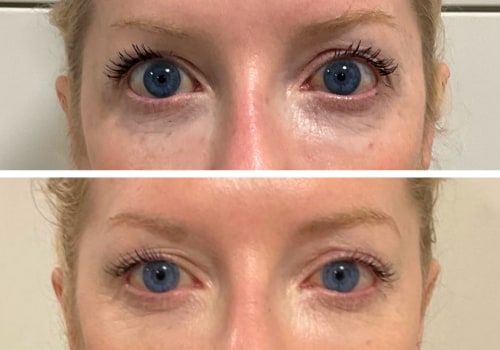
- Application Areas: Both treatments can be used in various facial areas; however, polynucleotides are particularly effective in treating delicate regions such as under the eyes and around the neck due to their regenerative properties.
- Side Effects: Hyaluronic acid treatments may lead to swelling or bruising at injection sites due to their volumizing nature.
Polynucleotide treatments generally have fewer side effects as they promote natural healing without adding volume.
Treatment Options
Ultimately, the choice between polynucleotides, dermal fillers, and hyaluronic acid depends on individual skin concerns and desired outcomes. For those seeking a natural approach to rejuvenation that enhances skin quality over time, polynucleotides may be the ideal choice. Conversely, if immediate volume enhancement is the primary goal, dermal fillers or hyaluronic acid might be more suitable. Consulting with a qualified practitioner can help determine the best treatment plan tailored to specific needs.
Patient Experiences and Testimonials
Patient experiences with polynucleotides have been overwhelmingly positive, with many individuals reporting significant improvements in their skin's appearance and texture.Testimonials from those who have undergone treatment often highlight the gradual yet remarkable changes they observe over time.One patient, Sarah, shared her journey after receiving polynucleotide injections. "Initially, I was sceptical about the results, but within a few weeks, I noticed my skin felt more hydrated and looked more radiant. By the two-month mark, my friends started commenting on how youthful I appeared!" Her experience reflects a common sentiment among patients who appreciate the natural-looking results that develop as the treatment takes effect.Another individual, Mark, noted the longevity of the effects. "I had my first treatment six months ago, and I still see visible improvements.
My fine lines have softened significantly, and my skin feels firmer. I plan to return for a maintenance session soon to keep up the results." This highlights how polynucleotides can provide lasting benefits when combined with regular follow-up treatments.Before and after photos are often shared by patients to illustrate their transformations. Many clinics encourage this practice as it not only showcases the effectiveness of polynucleotide treatments but also helps potential clients set realistic expectations. These visual testimonials serve as powerful evidence of the treatment's efficacy.In addition to aesthetic improvements, patients frequently mention enhanced self-confidence as a significant benefit of their polynucleotide treatments.
For instance, Emma stated, "I feel like I can go out without makeup now! The boost in my confidence has been incredible since starting this treatment." Such testimonials underscore the holistic impact that skin rejuvenation can have on an individual's overall well-being.Overall, patient experiences with polynucleotides reveal a trend towards satisfaction and positive outcomes. As more individuals share their stories and results, it becomes increasingly clear that these treatments not only enhance physical appearance but also contribute to improved self-esteem and quality of life.
Frequently Asked Questions About Polynucleotides
As interest in polynucleotides continues to grow, many individuals have questions regarding their use, effectiveness, and safety. Below are some of the most frequently asked questions about polynucleotide treatments, along with clear answers to help demystify this innovative approach to skin rejuvenation.What are polynucleotides?
Polynucleotides are naturally occurring molecules derived from DNA, specifically extracted from sources such as salmon or trout. They play a crucial role in cellular repair and regeneration, making them a valuable component in aesthetic treatments aimed at improving skin quality.How do polynucleotides work?
The primary mechanism of action for polynucleotides involves stimulating the body’s natural fibroblast production.This process enhances collagen synthesis, leading to improved skin elasticity, hydration, and overall texture. As a result, patients often experience a more youthful appearance.
Are there any side effects associated with polynucleotide treatments?
Generally, polynucleotide treatments are well-tolerated with minimal side effects. Some patients may experience mild swelling or bruising at the injection sites, but these effects typically resolve within a few days. It is essential to consult with a qualified practitioner to discuss any potential risks based on individual health conditions.How long do the effects of polynucleotide treatments last?
The results from polynucleotide treatments can last anywhere from six to twelve months, depending on various factors such as age, skin condition, and lifestyle.Regular maintenance sessions are recommended to prolong the benefits and ensure sustained improvements in skin quality.
Can anyone undergo polynucleotide treatment?
While most individuals can benefit from polynucleotide treatments, it is crucial to have a thorough consultation with a qualified professional. They will assess your skin type and specific concerns to determine if this treatment is suitable for you.Are there any myths about polynucleotide treatments?
- Myth: Polynucleotides are the same as dermal fillers.
- Fact: Unlike dermal fillers that provide immediate volume through hyaluronic acid, polynucleotides work by enhancing the skin's natural regenerative processes over time.
- Myth: Results are instant.
- Fact: While some improvements may be visible shortly after treatment, optimal results typically manifest after several weeks as collagen production increases.
Conclusion: The Lasting Impact of Polynucleotide Treatments on Skin Health
In summary, the effects of polynucleotide treatments on skin health are both profound and long-lasting. As we have explored throughout this article, these innovative therapies harness the power of natural DNA to stimulate the body’s own regenerative processes, leading to significant improvements in skin quality and appearance.The typical duration of results from polynucleotide treatments ranges from six to twelve months, depending on various factors such as individual skin type, age, and lifestyle. Many patients report noticeable enhancements in skin hydration and texture within just a few weeks of their initial treatment.However, the most remarkable transformations often become evident after two to three months, as collagen production ramps up and the skin continues to rejuvenate.To maintain these benefits over time, regular maintenance sessions are recommended. Typically, a series of two to three treatments spaced three to four weeks apart is ideal for achieving optimal results. Following this initial regimen, a recharge session every six to nine months can help sustain the rejuvenated appearance.Moreover, polynucleotides are versatile and can be effectively applied to various areas of the face and body, including delicate regions like under the eyes and the neck. This adaptability makes them an excellent choice for individuals seeking comprehensive skin rejuvenation.Ultimately, choosing polynucleotide treatments represents a commitment to enhancing your skin’s health and vitality.
With their scientifically validated approach and minimal risk of adverse reactions, these treatments stand out as a gold standard in aesthetic medicine. If you are considering options for skin rejuvenation, consulting with a qualified professional can help you determine if polynucleotides are the right fit for your unique needs.